
In an age where sleek minimalism and digital efficiency dominate design sensibilities, there exists a quiet but persistent counter-movement—one that celebrates the tactile charm, visual grandeur, and mechanical poetry of bygone eras. Nowhere is this more delightfully evident than in the niche but passionate world of Classic Car Mowers. These aren’t merely tools for lawn maintenance; they are rolling tributes to automotive heritage, ingeniously reimagined to serve a practical purpose in the modern garden. At first glance, a Classic Car Mower might appear to be a whimsical novelty—a child’s toy scaled up for adult amusement. But look closer, and you’ll find a sophisticated fusion of retro aesthetics and contemporary engineering that speaks to both the heart and the hands of those who appreciate craftsmanship, history, and the joy of functional art.
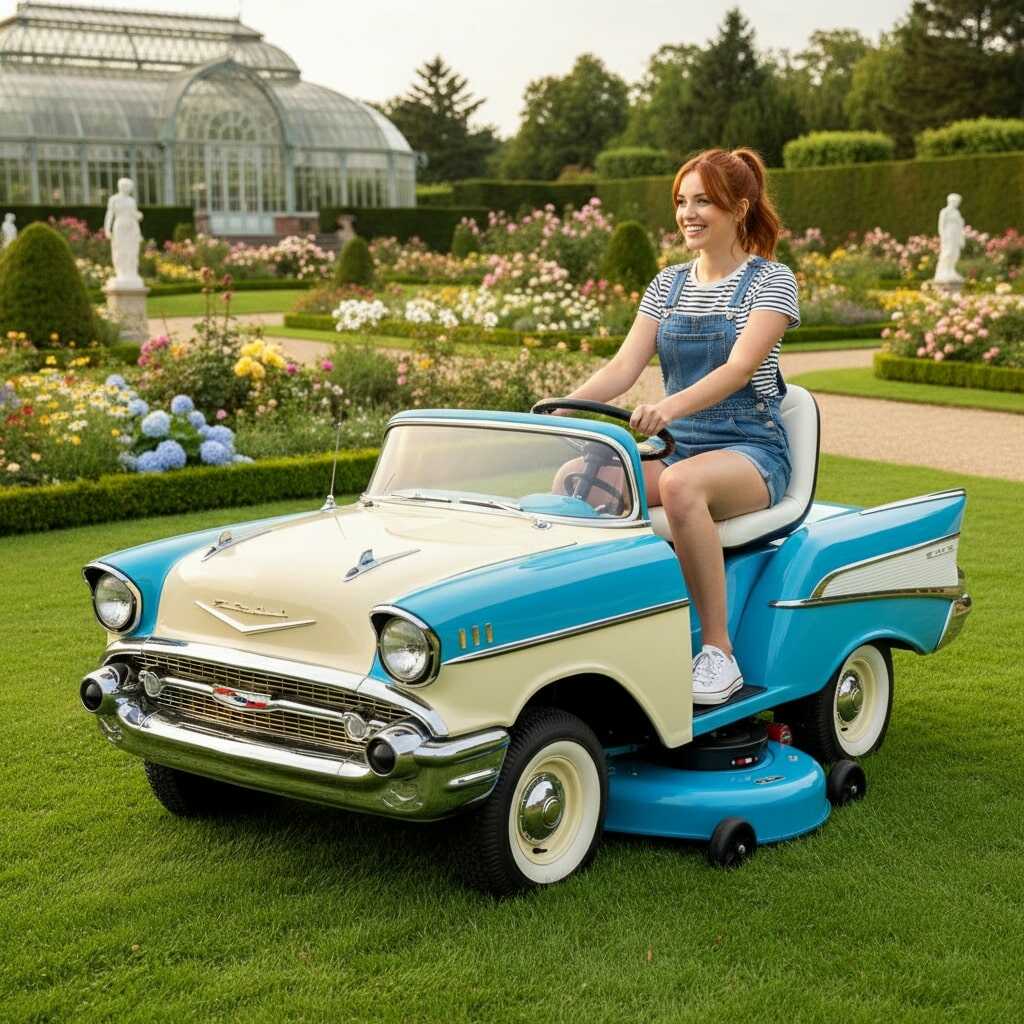
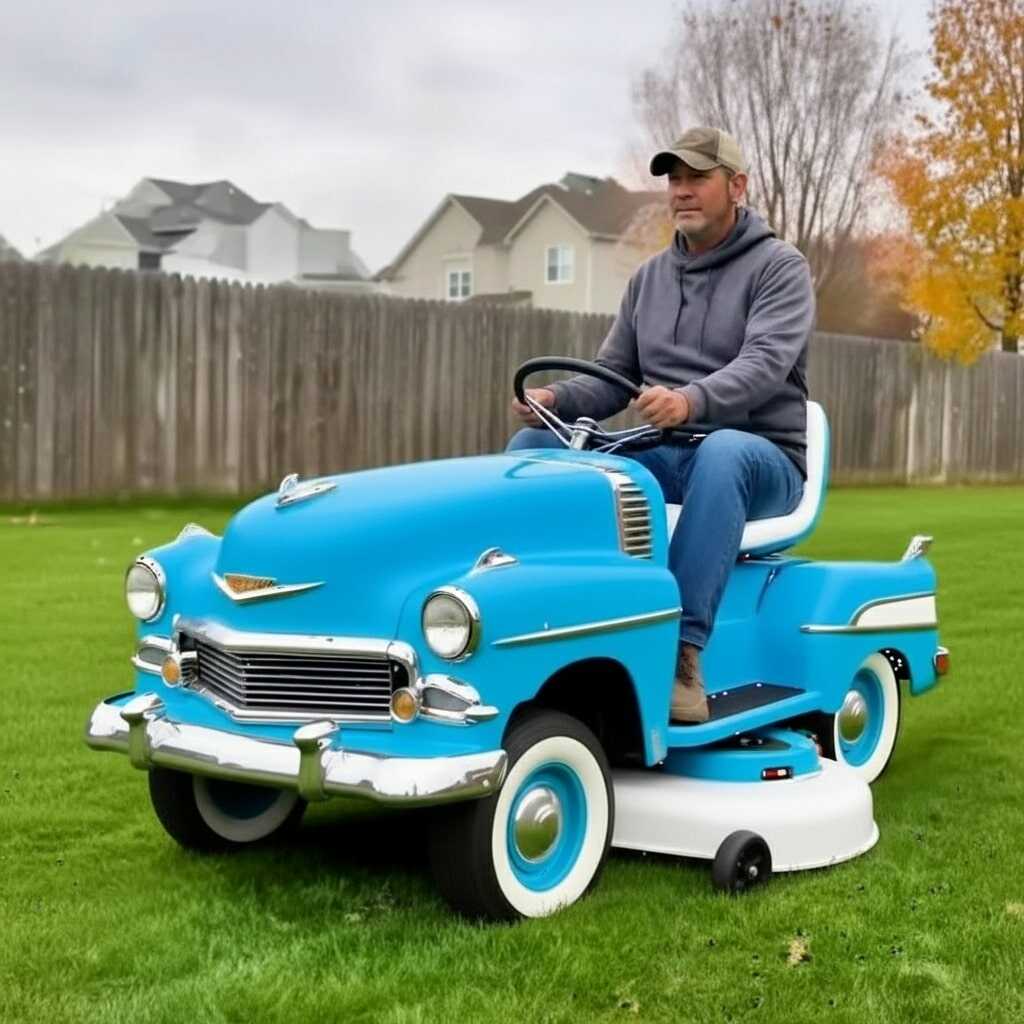
The term “Classic Car Mowers” refers to ride-on or push-style lawn mowers designed to emulate the visual language of vintage automobiles—particularly those from the 1920s through the 1950s. Think gleaming chrome grilles, whitewall tires, art deco curves, and dashboard-inspired control panels. Yet beneath these nostalgic exteriors lies a suite of modern technologies: efficient electric or small-displacement gasoline engines, advanced cutting systems, ergonomic safety features, and sometimes even smart connectivity. This seamless marriage of form and function is what makes Classic Car Mowers so compelling. They do not simply replicate the past; they reinterpret it through a lens of present-day utility and environmental awareness. In doing so, they transform the mundane chore of mowing into a sensory experience that evokes memory, pride, and pleasure.
This article explores how Classic Car Mowers achieve this delicate balance. We’ll delve into their design philosophy, unpack the engineering innovations that make them viable in today’s world, and reflect on the cultural resonance they carry for enthusiasts and casual observers alike. More than machines, they are statements—about time, taste, and the enduring human desire to find beauty in everyday tasks.
Part I: The Aesthetic Legacy – Channeling Automotive History into Garden Design
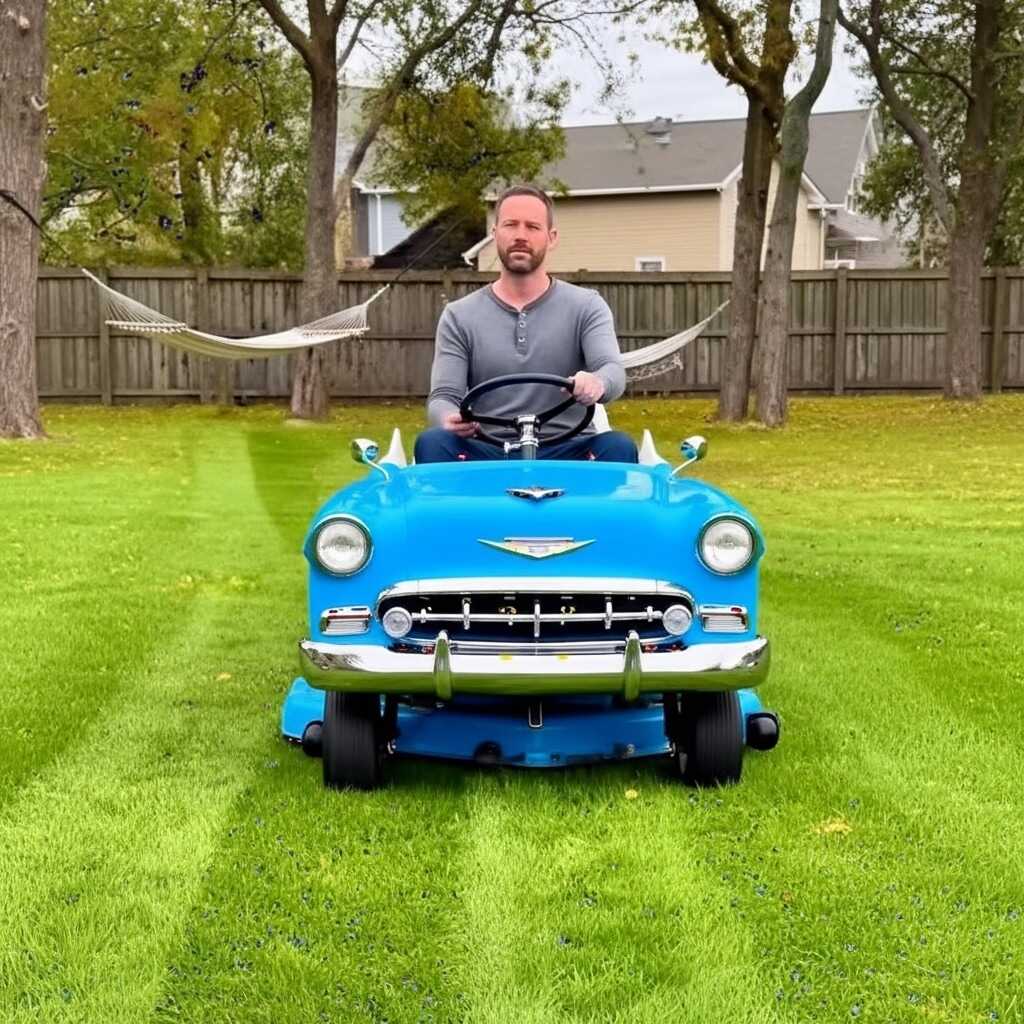
The visual identity of Classic Car Mowers is rooted in a deep reverence for automotive design history. Unlike standard lawn equipment—often utilitarian, boxy, and painted in forgettable greens or grays—these mowers draw direct inspiration from iconic vehicles that defined generations. The 1930s Packard, the 1950s Chevrolet Bel Air, the pre-war Bugatti roadsters—each era contributed distinct stylistic signatures that designers of Classic Car Mowers meticulously study and adapt.
Take, for instance, the use of chrome. In vintage automobiles, chrome wasn’t just decorative; it symbolized progress, luxury, and industrial optimism. Classic Car Mowers echo this through polished bumpers, radiator grilles, and hubcaps that catch the sunlight as the machine glides across the grass. Even the paint jobs are historically informed—two-tone schemes, hand-painted pinstripes, and rich lacquers that recall the showroom floors of mid-century America. These details aren’t superficial add-ons; they’re integral to the mower’s identity, transforming it from a garden appliance into a mobile sculpture.
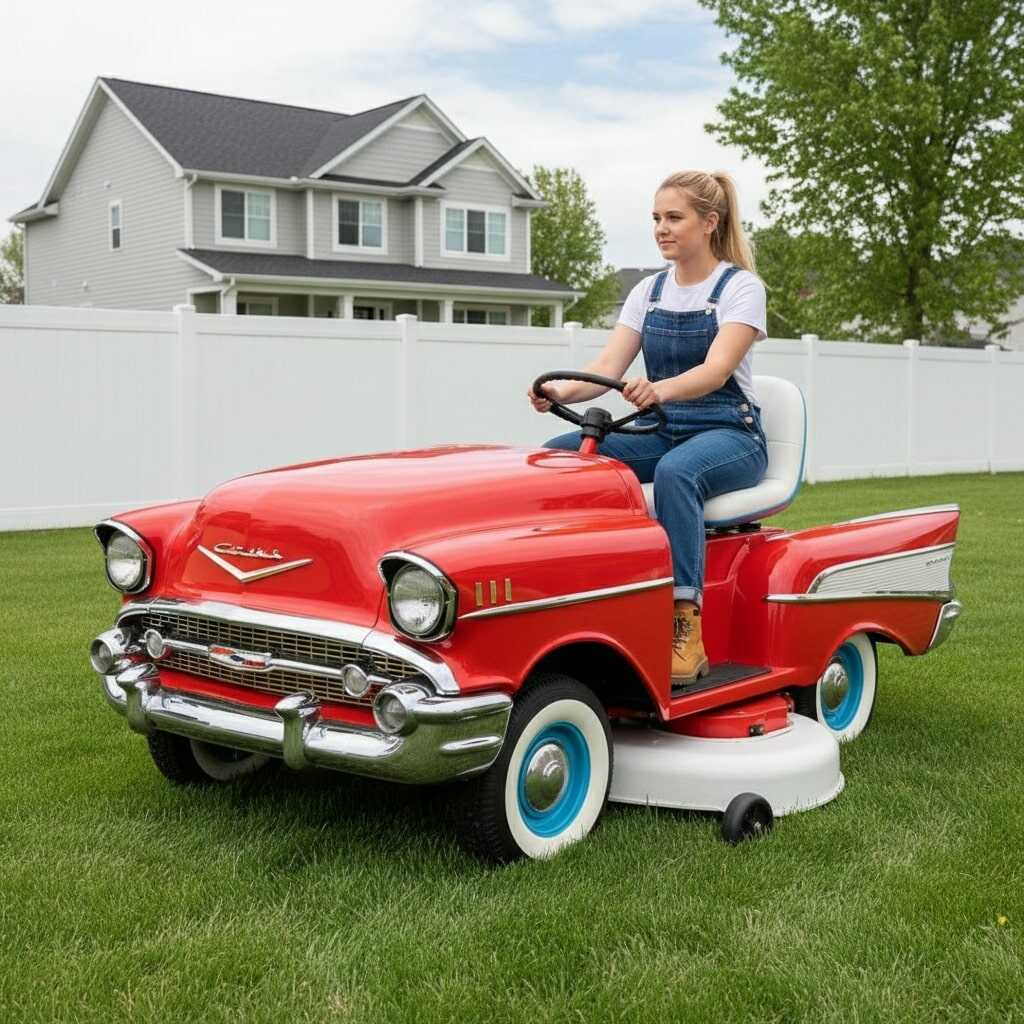
The silhouette is equally deliberate. Many Classic Car Mowers feature long hoods, sloping windshields (often simulated with clear acrylic), and fender lines that flow like liquid metal. These proportions mimic the front-engine, rear-wheel-drive layout of classic cars, even though the mower’s actual drivetrain is compact and centralized for balance and maneuverability. The illusion is convincing enough to make onlookers do a double-take—was that a ’49 Ford cruising down the driveway, or someone tending their lawn?
Even the smallest elements contribute to the illusion. Steering wheels are often crafted to resemble those found in vintage cockpits, complete with horn buttons and faux woodgrain finishes. Seats may be upholstered in vinyl or leatherette that matches period-correct automotive interiors. Gauges—though sometimes non-functional or simplified—add to the dashboard ambiance, reinforcing the fantasy of piloting a miniature classic automobile rather than operating a piece of yard equipment.
This aesthetic commitment serves more than decorative purposes. It fosters an emotional connection between user and machine. For many owners, mowing becomes less of a chore and more of a ritual—a chance to engage with a piece of history, to feel the weight of craftsmanship in their hands, and to share a moment of visual delight with neighbors and passersby. In a world increasingly dominated by disposable, anonymous products, Classic Car Mowers stand as antidotes: objects that invite admiration, care, and conversation.
Part II: Engineering the Past for Present-Day Performance
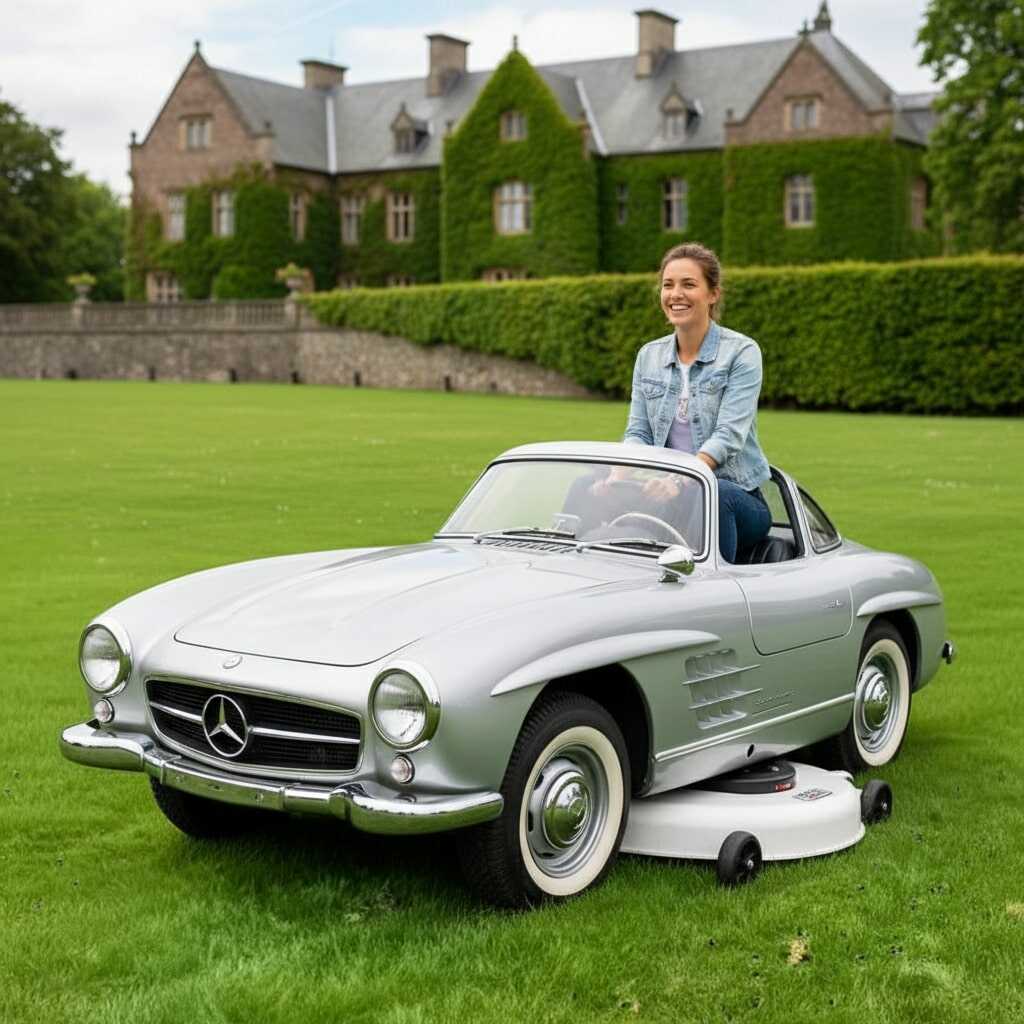
While the visual homage to vintage automobiles is striking, the true ingenuity of Classic Car Mowers lies in their ability to deliver reliable, efficient, and safe performance using modern engineering. Designers face a unique challenge: how to honor the form of a 1930s roadster while equipping it with the functionality expected of a 21st-century lawn care tool. The solution is not replication, but reinterpretation—using contemporary materials, powertrains, and safety systems to fulfill the mower’s purpose without compromising its nostalgic soul.
Power sources have evolved dramatically since the golden age of motoring, and Classic Car Mowers reflect this shift. While early prototypes sometimes used actual car engines (a practice now obsolete due to inefficiency and emissions), today’s models rely on compact, high-torque electric motors or small four-stroke gasoline engines that meet current environmental standards. Electric variants, in particular, align with modern sustainability goals, offering quiet operation and zero direct emissions—ironically making them cleaner than many of the classic cars they emulate, which often lacked catalytic converters or fuel injection.
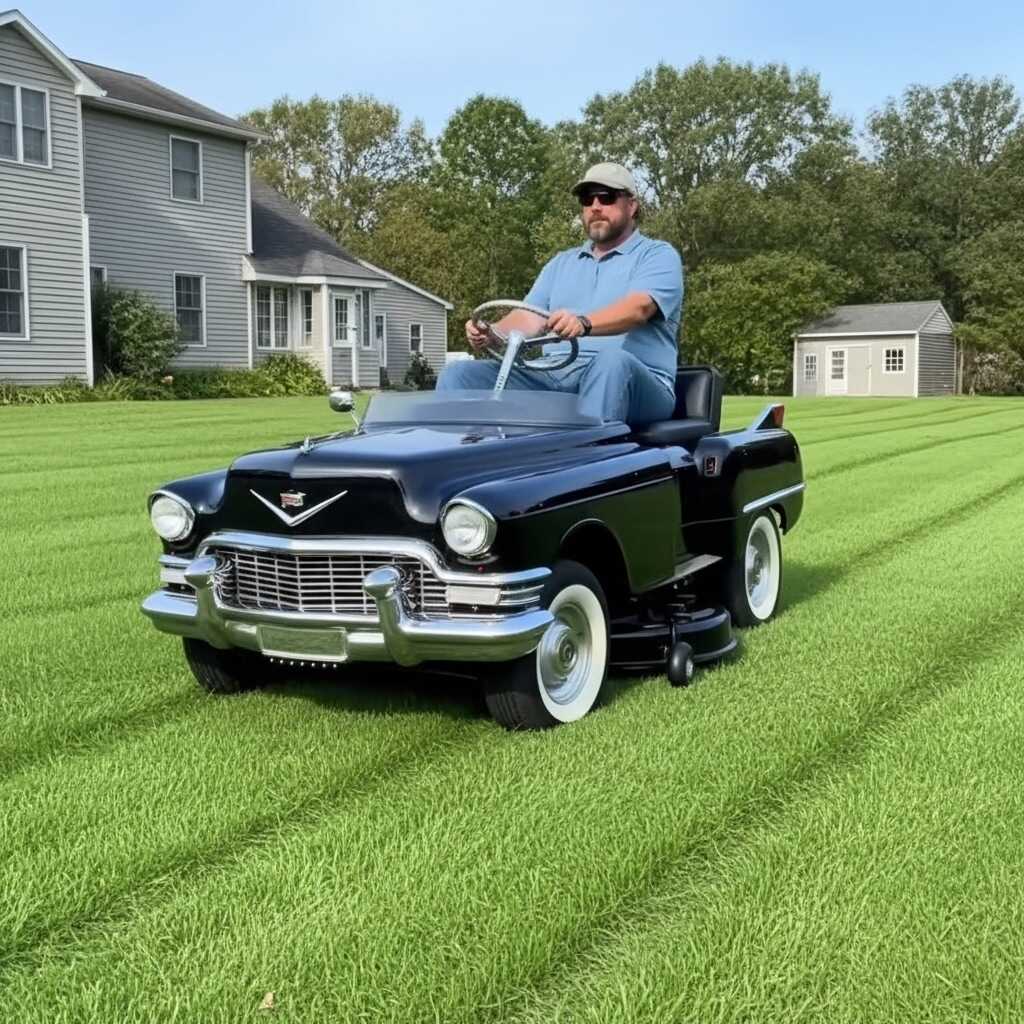
The cutting mechanism itself is a marvel of modern precision. Beneath the ornate hood lies a deck engineered for optimal airflow, blade balance, and grass dispersion. Many models feature mulching capabilities, side discharge, or bagging options—all selectable via levers or dials styled to look like vintage gearshifters or throttle controls. The blades are made from hardened steel, precisely balanced to minimize vibration, and often protected by safety clutches that disengage upon impact—features unheard of in the automotive world of the 1940s but essential for today’s safety-conscious users.
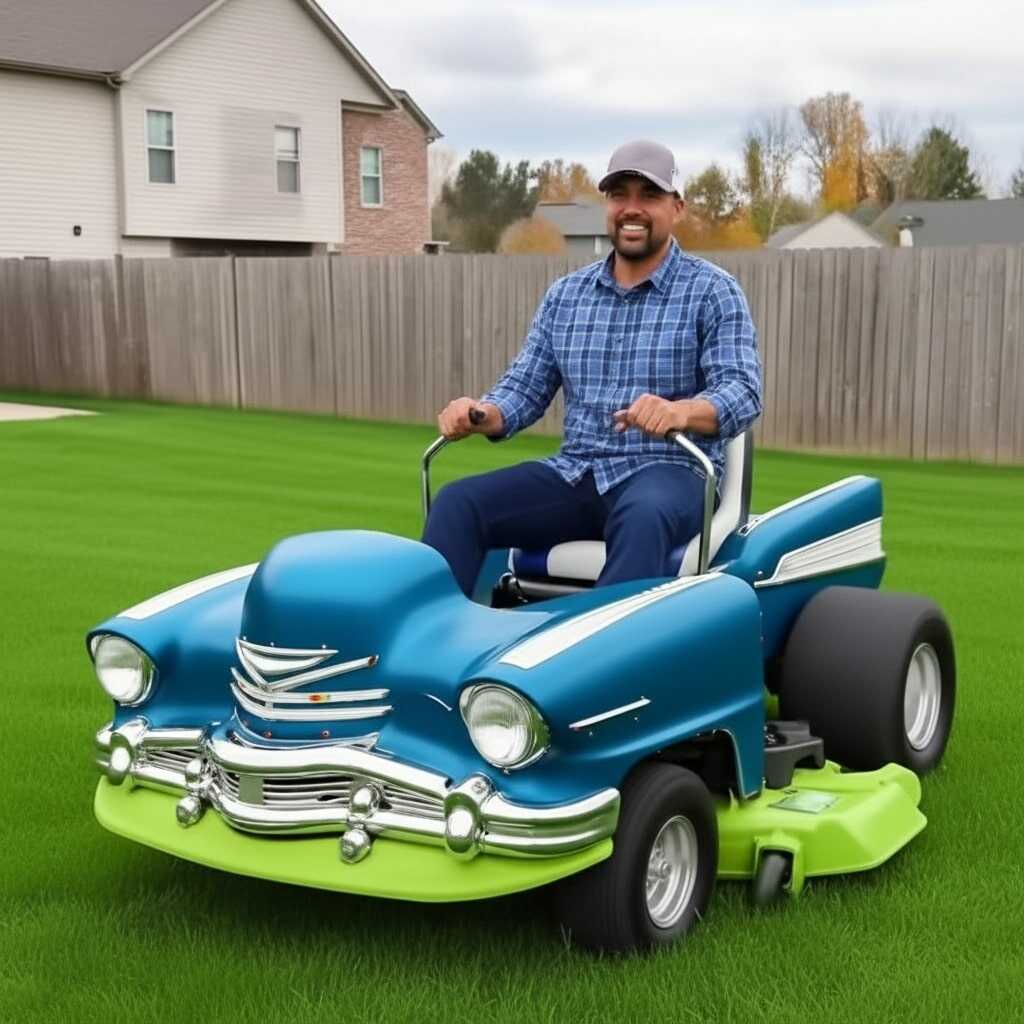
Maneuverability is another area where modern engineering shines. Classic cars were not known for tight turning radii or responsive handling, especially on unpaved surfaces. Classic Car Mowers, however, incorporate zero-turn technology, hydrostatic transmissions, or articulated steering systems that allow them to pivot on a dime—critical for navigating around flower beds, trees, and garden ornaments. These systems are cleverly concealed within the vintage-inspired chassis, ensuring that the mower’s external appearance remains untouched by utilitarian hardware.
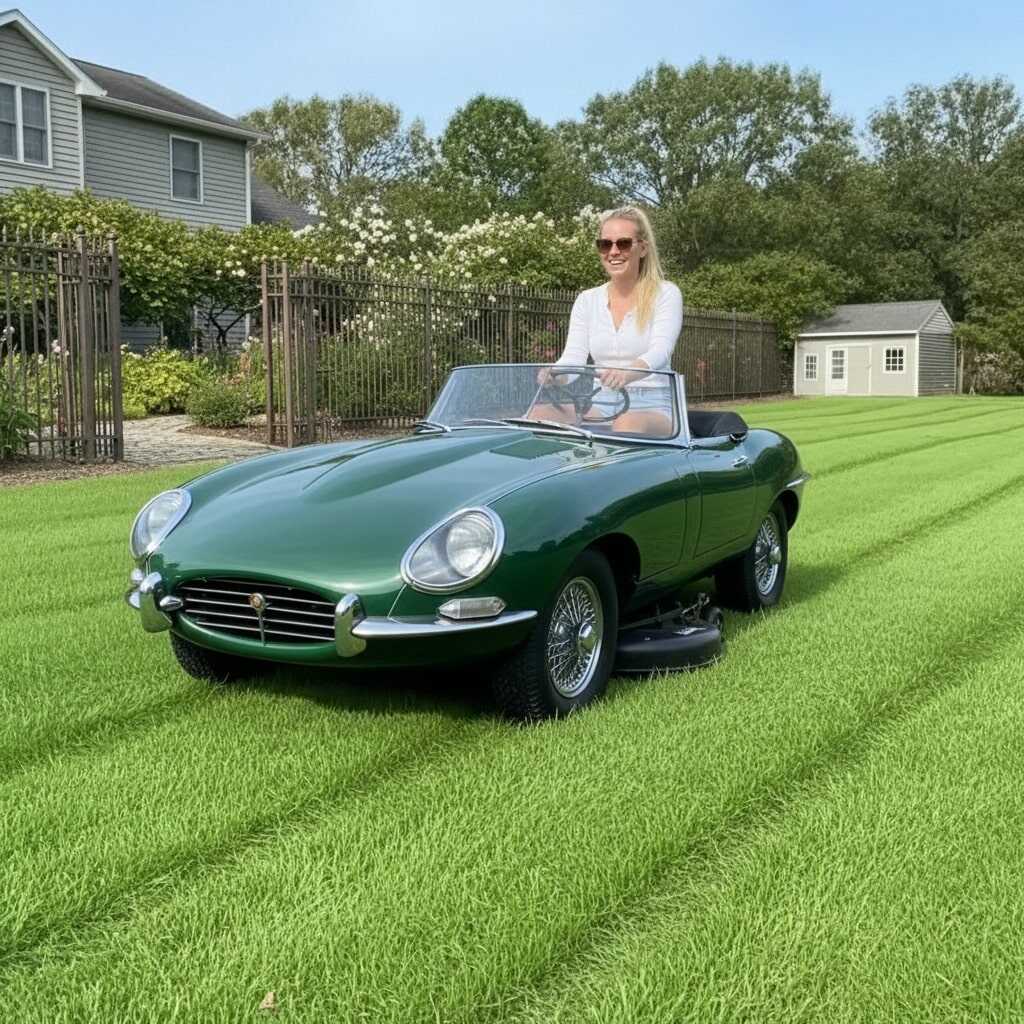
Materials science also plays a crucial role. Where classic cars used heavy steel bodies prone to rust, many Classic Car Mowers employ lightweight, corrosion-resistant composites or powder-coated aluminum for body panels. This reduces overall weight (improving fuel or battery efficiency) while maintaining the visual heft and presence of a true automobile. Tires, too, are a hybrid solution: whitewall designs mimic period-correct rubber, but the compounds and treads are engineered for traction on wet grass and resistance to punctures.
Perhaps most importantly, safety has been seamlessly integrated without disrupting the aesthetic. Roll bars are disguised as vintage-style luggage racks; emergency stop buttons are embedded in faux ignition switches; and seat sensors prevent operation unless the driver is properly seated—all invisible to the casual observer but vital for real-world use. This careful layering of function beneath form exemplifies the core philosophy of Classic Car Mowers: they must work flawlessly in the present while evoking the romance of the past.
Part III: Cultural Resonance – More Than Machines, They’re Moving Memories
Beyond their mechanical and visual merits, Classic Car Mowers occupy a unique space in contemporary culture. They are not just lawn tools or decorative novelties—they are vessels of memory, identity, and intergenerational storytelling. For many owners, these machines serve as bridges between personal history and present-day life. A grandfather who once restored a 1957 Thunderbird might find profound satisfaction in piloting a mower that echoes its lines, sharing that joy with grandchildren who’ve never seen the original car but feel its spirit in the garden.
In this sense, Classic Car Mowers participate in a broader cultural trend: the re-enchantment of everyday objects. In an era of mass production and digital abstraction, there is a growing hunger for things that feel tangible, meaningful, and imbued with narrative. A smartphone can mow your lawn via an app, but it cannot evoke the gleam of a hand-polished fender or the rumble of an engine that sounds like a distant cousin of a V8. Classic Car Mowers satisfy a deeper human need—the desire to interact with the world through objects that tell stories.
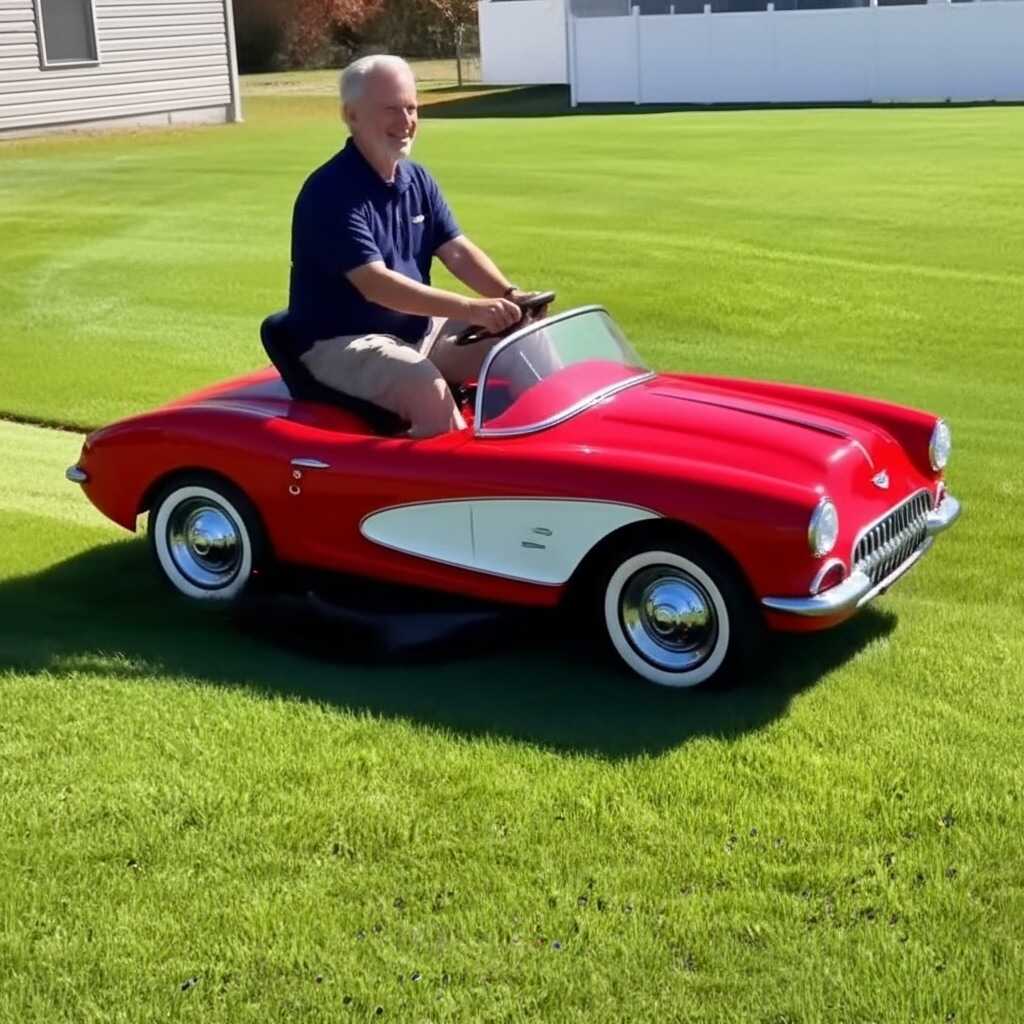
They also foster community. Enthusiast clubs, lawn shows, and social media groups have sprung up around these machines, where owners share restoration tips, custom paint ideas, and photos of their “rides” in action. These gatherings are less about technical specifications and more about shared appreciation—of design, of history, of the simple pleasure of making something beautiful while doing necessary work. In neighborhoods where identical SUVs line the driveways, a Classic Car Mower becomes a signature, a declaration of individuality wrapped in nostalgia.
Moreover, these mowers challenge the assumption that functionality and beauty are mutually exclusive. In industrial design, there’s often a tension between efficiency and aesthetics—streamlining for performance can strip away character. Classic Car Mowers reject that dichotomy. They prove that a machine can be both highly effective and deeply expressive, that utility need not be drab, and that the act of caring for one’s home can be elevated into an art form.
This cultural weight is amplified by their rarity and craftsmanship. Unlike mass-produced appliances, many Classic Car Mowers are built in limited runs or even custom-ordered, with attention to detail that recalls bespoke coachbuilding. Each unit carries the imprint of its maker’s care, and over time, it accumulates the patina of use—scratches on the fender, faded paint on the seat, the gentle wear of a well-loved tool. These marks aren’t flaws; they’re chronicles, adding layers to the mower’s story.
Conclusion: Where Time Meets Turf
Classic Car Mowers are more than a clever design gimmick or a nostalgic indulgence. They represent a thoughtful dialogue between eras—honoring the elegance and optimism of automotive history while embracing the demands and possibilities of modern life. They remind us that technology need not erase the past but can instead weave it into the fabric of the present, creating objects that are both useful and meaningful.
In blending vintage style with modern function, these machines do something quietly revolutionary: they restore joy to routine. Mowing the lawn becomes not a burden to be endured but an experience to be savored—a moment to slow down, appreciate craftsmanship, and connect with a lineage of design that spans nearly a century. The hum of the engine, the scent of cut grass, the gleam of chrome in the afternoon sun—these sensory details coalesce into something greater than the sum of their parts.
Ultimately, Classic Car Mowers are testaments to human creativity and our enduring love for stories told through objects. They prove that even in the most ordinary corners of domestic life, there is room for wonder, for beauty, and for a little bit of rolling history. As long as there are lawns to tend and hearts that beat for the golden age of motoring, these charming hybrids will continue to cruise gracefully between past and present—one perfectly trimmed blade of grass at a time.