
The Warm Embrace of Imagination
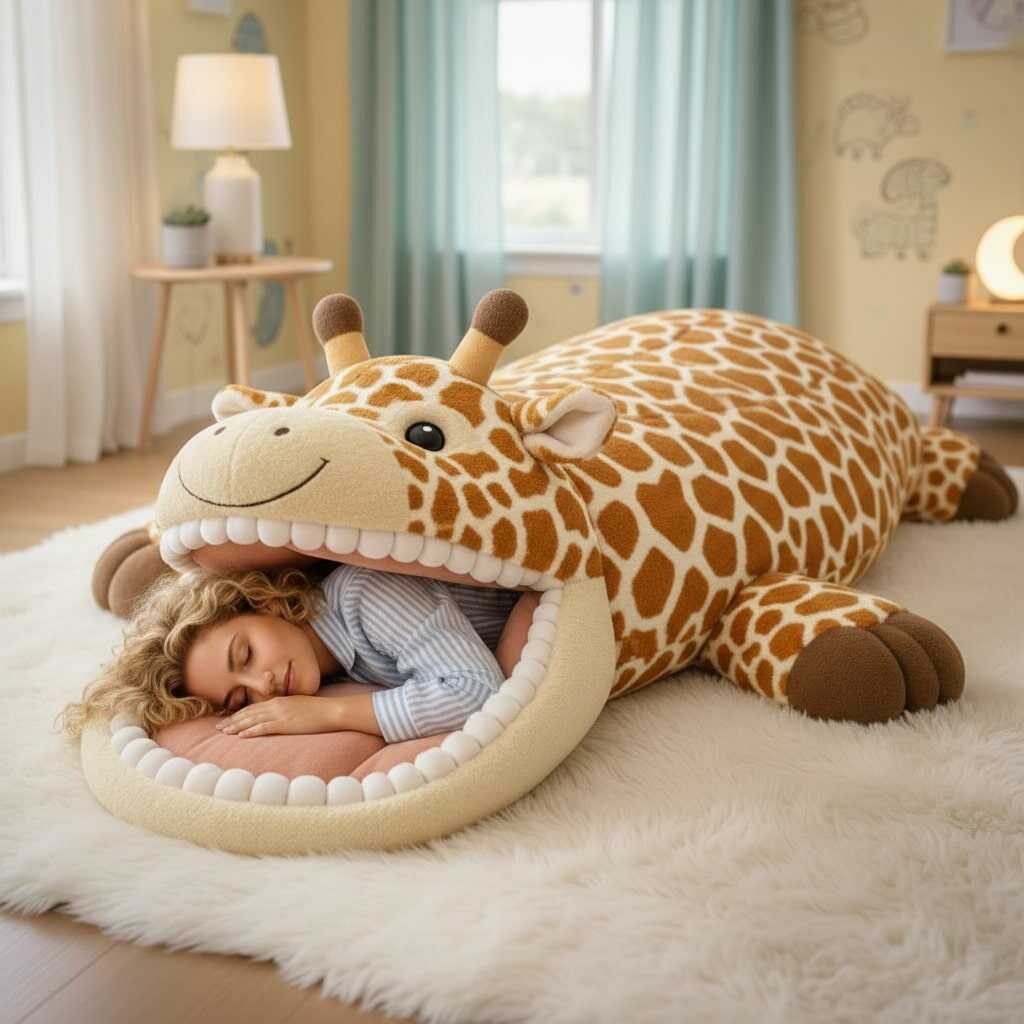
There is a peculiar magic in the way childhood comfort objects blur the line between reality and fantasy. A blanket becomes a superhero’s cape; a cardboard box transforms into a castle or spaceship; and, in more recent years, a sleeping bag can morph into the gaping yet gentle maw of a friendly beast. Enter the whimsical realm of Animal Mouth Sleeping Bags—a phenomenon that transcends mere bedding to become portals of imaginative play, vessels of emotional security, and tactile sanctuaries wrapped in fur, scales, or plush fabric. These are not just sleeping bags; they are cocoons of coziness shaped like the open mouths of bears, sharks, lions, dinosaurs, and even mythical creatures, inviting both children and nostalgic adults into a world where bedtime is an adventure rather than a chore.
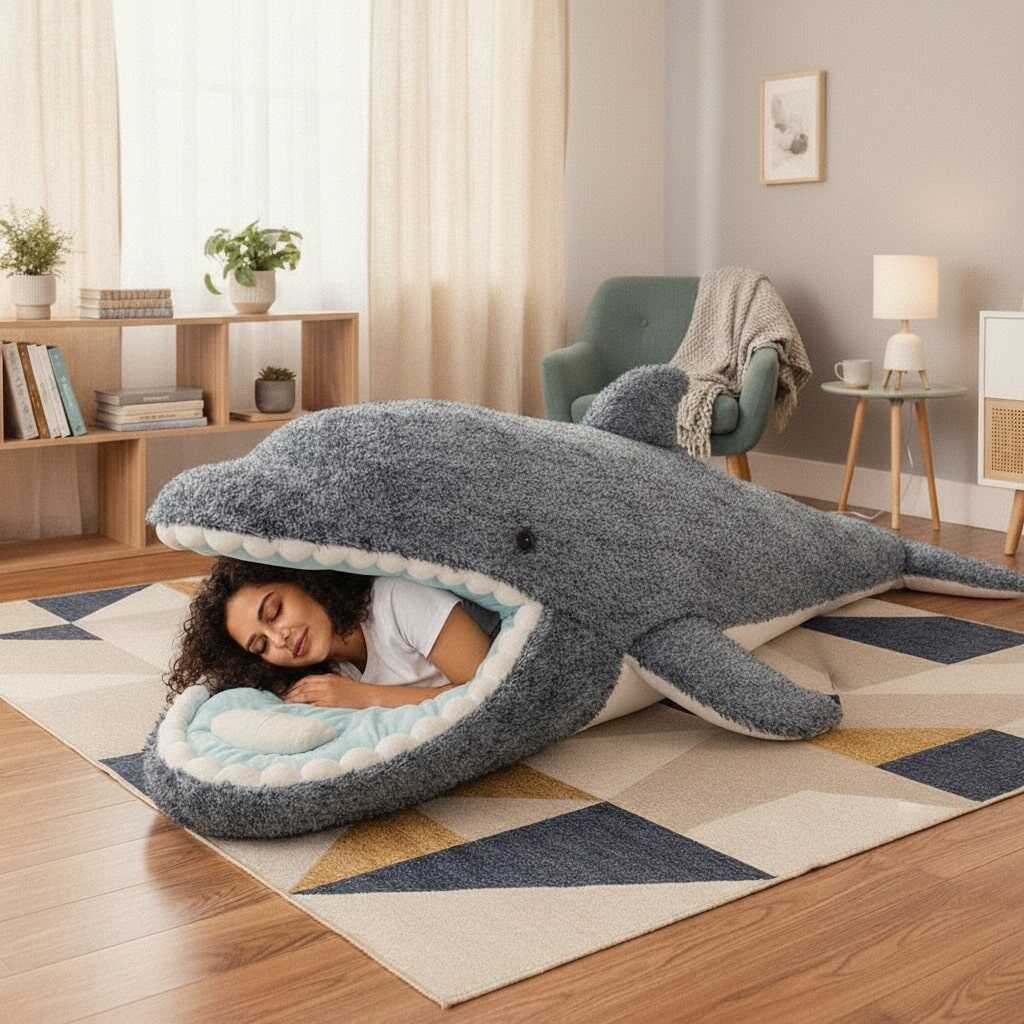
The phrase “cozy adventures” captures the essence of this experience perfectly. Coziness implies warmth, safety, softness—a retreat from the sharp edges of the everyday world. Adventure, on the other hand, suggests exploration, discovery, and a touch of daring. At first glance, these concepts might seem contradictory. How can one be both snugly tucked away and boldly venturing forth? Yet it is precisely in this paradox that Animal Mouth Sleeping Bags find their charm. They offer a physical space of comfort while simultaneously serving as imaginative launchpads—inviting the sleeper to journey into dreamscapes populated by friendly monsters, enchanted forests, or underwater kingdoms, all from the secure vantage point of a creature’s open jaws.
This article invites you to delve deeply into this unique intersection of comfort and creativity. We will explore the psychological resonance of these designs, trace their cultural and symbolic underpinnings, and reflect on how such seemingly simple objects can foster emotional well-being, spark storytelling, and redefine what it means to feel safe at night. Through three thematic lenses—symbolism and myth, sensory sanctuary, and narrative incubation—we’ll uncover why the Animal Mouth Sleeping Bag is far more than a novelty item. It is, in its own quiet way, a modern artifact of human imagination, stitched together with threads of playfulness, protection, and wonder.
Part I: Symbolism and Myth – When the Beast Becomes a Cradle
To understand the allure of the Animal Mouth Sleeping Bag, one must first confront the primal symbolism of the mouth—especially the animal mouth. Across cultures and mythologies, the mouth of a beast often represents danger, consumption, and the unknown. Think of Jonah swallowed by the whale, Little Red Riding Hood devoured by the wolf, or the Minotaur lurking in his labyrinthine den. The open maw is a threshold between life and death, safety and peril. And yet, in the context of these sleeping bags, that very symbol is inverted. The threatening becomes tender; the devouring becomes embracing.
This inversion is not accidental—it is deeply resonant. By transforming the fearsome into the familiar, the Animal Mouth Sleeping Bag performs a kind of alchemy on childhood anxieties. For many young children, the dark holds unseen terrors: shadows that shift, noises that echo, monsters that lurk under beds. Slipping into the “mouth” of a plush shark or bear reclaims that imagery. Instead of being consumed by fear, the child becomes the inhabitant of the beast itself—safe within its body, protected by its presence. The sleeping bag becomes a talisman against the night, a declaration that the things that once frightened can now be allies.
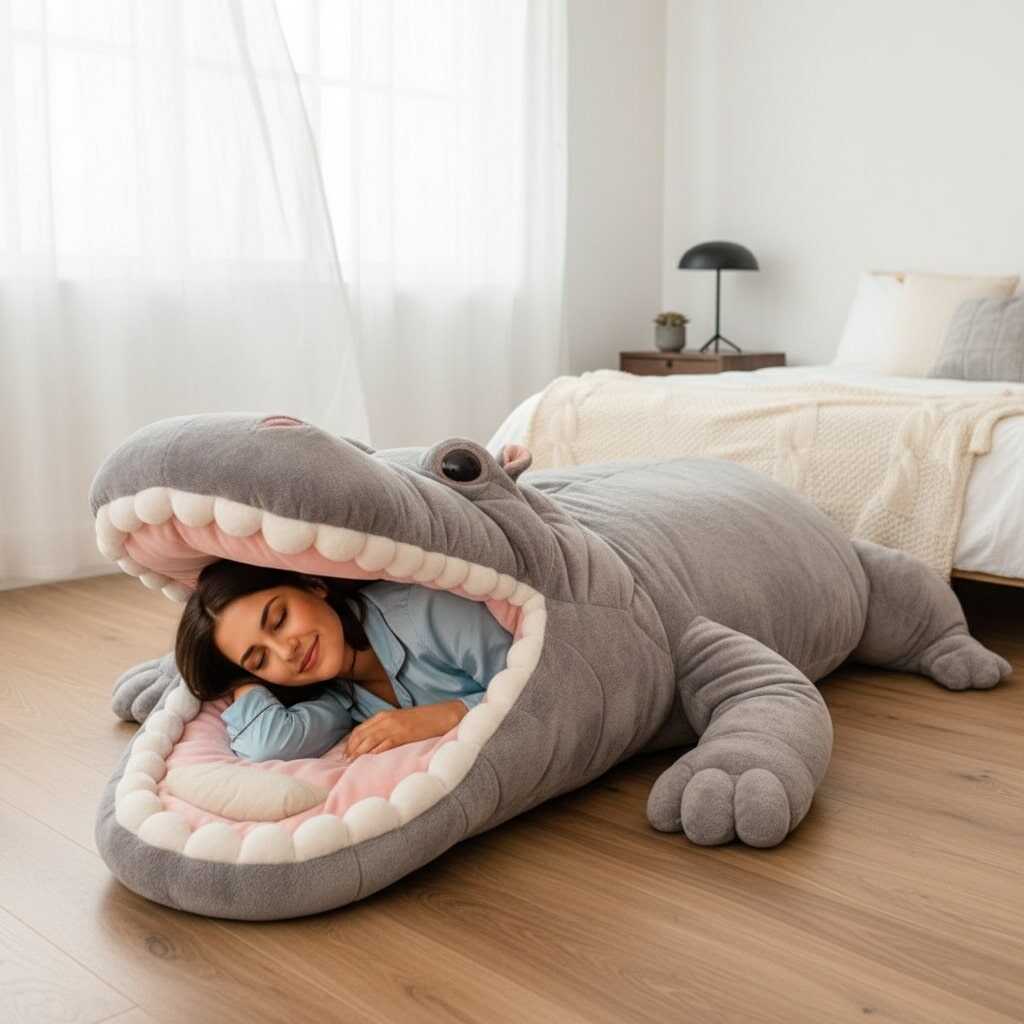
Moreover, animals have long served as archetypal guides in human storytelling. From Native American spirit animals to Aesop’s fables, creatures embody traits we admire or seek to understand: the bear’s strength, the owl’s wisdom, the dolphin’s joy. Wearing—or rather, becoming—the form of such an animal through sleep fosters a subtle identification with those qualities. A child nestled in a lion-mouth sleeping bag may drift off feeling brave; one curled inside a fox’s grin might dream of clever escapades. This is not mere costume play—it is a quiet communion with symbolic energy, a way of internalizing courage, curiosity, or calm through tactile immersion.
Even the design itself carries mythic echoes. Consider the ancient concept of the womb-tomb—the idea that birth and death, beginnings and endings, are two sides of the same sacred passage. The animal mouth, in this light, becomes a liminal space: not a place of ending, but of transformation. To enter it is to undergo a nightly ritual of renewal, to be “reborn” each morning after a journey through dreams. In this sense, the Animal Mouth Sleeping Bag functions as a contemporary vessel for age-old rites of passage, repackaged in fleece and polyester for the modern child (or adult) seeking solace in structure and story.
Part II: Sensory Sanctuary – The Architecture of Comfort
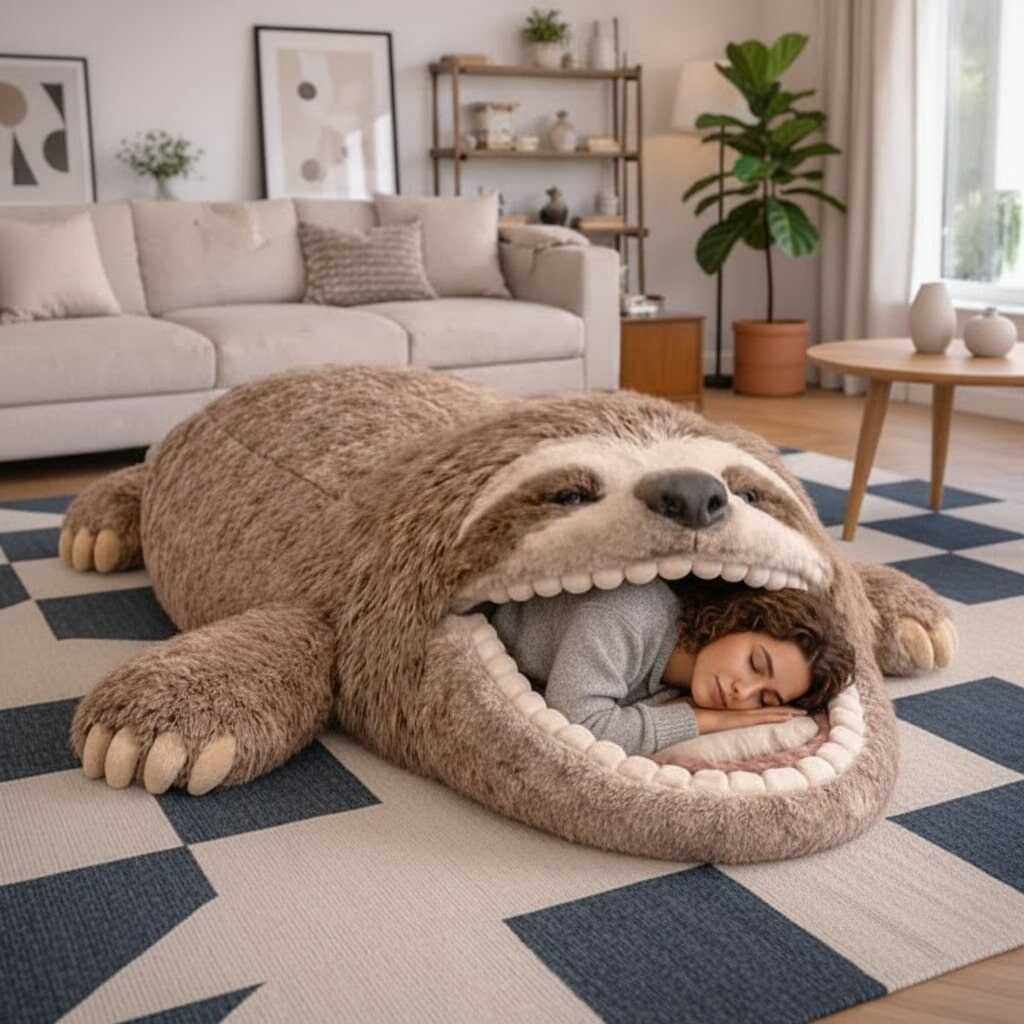
Beyond symbolism, the power of the Animal Mouth Sleeping Bag lies in its profound engagement with the senses. Human beings are tactile creatures; from infancy, we seek comfort through touch—swaddling blankets, soft toys, the warmth of a caregiver’s embrace. As we grow, that need doesn’t vanish; it merely evolves. The Animal Mouth Sleeping Bag answers this enduring need with remarkable sensitivity to sensory design.
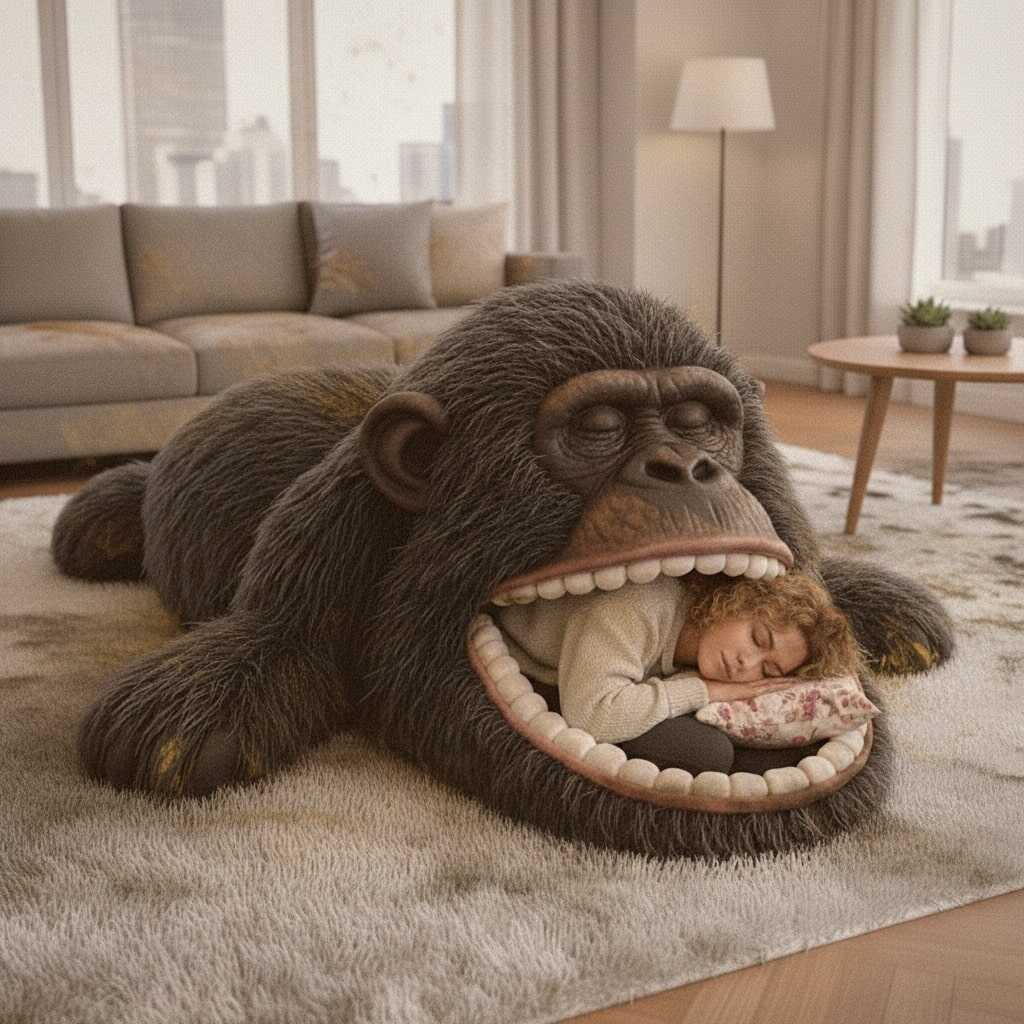
First, there is the enveloping quality of the form. Unlike traditional sleeping bags that wrap the body linearly, the animal mouth design creates a three-dimensional enclosure. The head rests within the “jaws,” often lined with contrasting fabric—teeth made of white fleece, a tongue of velvety red—that frames the face like a hood. This partial enclosure mimics the feeling of being held, triggering the parasympathetic nervous system and promoting relaxation. The gentle pressure around the shoulders and neck can evoke the calming effects of deep-touch pressure therapy, known to reduce anxiety and improve sleep quality.
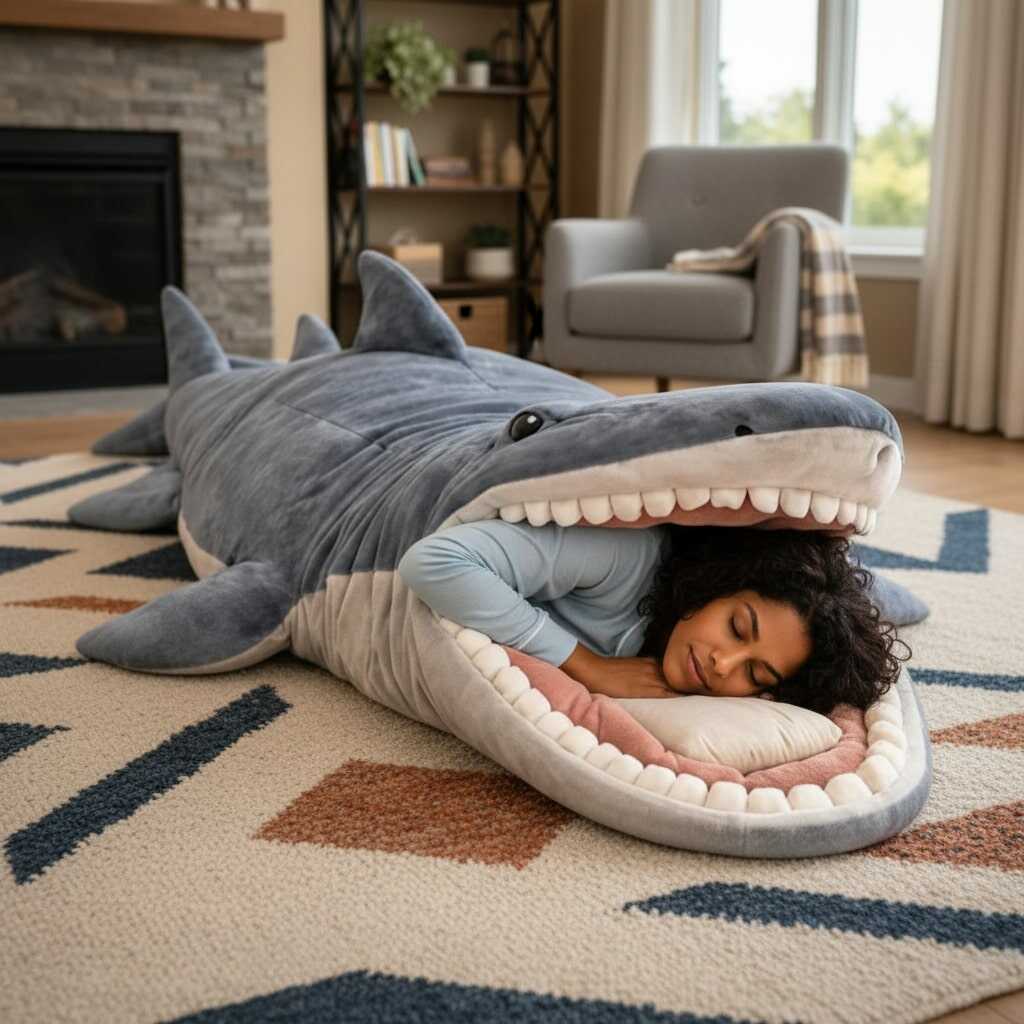
Then there is texture. Most Animal Mouth Sleeping Bags are crafted from ultra-soft materials—plush faux fur, brushed cotton, or microfiber—that invite stroking and nuzzling. The contrast between the “rough” exterior (perhaps scaly for a dinosaur, shaggy for a wolf) and the smooth interior lining creates a multisensory experience that grounds the user in the present moment. This tactile richness is especially valuable in an increasingly digital world, where screens dominate attention and physical interaction with comforting objects is often diminished. Curling up in such a sleeping bag becomes a deliberate act of sensory reconnection—a return to the body, to warmth, to materiality.
Temperature regulation also plays a subtle role. The hood-like mouth design helps retain body heat around the head and neck, areas particularly sensitive to cold. Yet the open front allows for airflow, preventing overheating. This balance mirrors the ideal sleep environment: cozy but not stifling, secure but not confined. It is a physical manifestation of the “just right” principle—Goldilocks’ porridge translated into textile engineering.
For neurodivergent individuals—those with autism, sensory processing disorder, or anxiety—the Animal Mouth Sleeping Bag can serve as a personalized sensory tool. The consistent texture, predictable shape, and gentle compression provide a reliable source of comfort in unpredictable environments. Whether used at home, on a camping trip, or during travel, it becomes a portable haven—a piece of familiar calm carried into unfamiliar spaces. In this way, the sleeping bag transcends its playful appearance to fulfill a deeply human need: the desire for a controlled, comforting micro-environment amidst the chaos of the wider world.
Part III: Narrative Incubation – Dreaming Inside the Beast
Perhaps the most enchanting dimension of the Animal Mouth Sleeping Bag is its role as a catalyst for storytelling and imaginative play. Sleep is not merely rest; it is the mind’s theater, where fragments of the day remix into dreams, fears, and fantasies. The sleeping bag, by framing the sleeper within an animal persona, seeds that theater with rich narrative potential.
Consider a child zipped into a shark-mouth sleeping bag. Before drifting off, they might imagine themselves gliding through coral reefs, guarding treasure, or racing dolphins. The sleeping bag doesn’t dictate the story—it provides a starting point, a character skin through which the imagination can roam. This is participatory mythology: the child is both audience and author, hero and habitat. The boundary between self and symbol blurs, allowing for fluid identity play that is crucial to cognitive and emotional development.
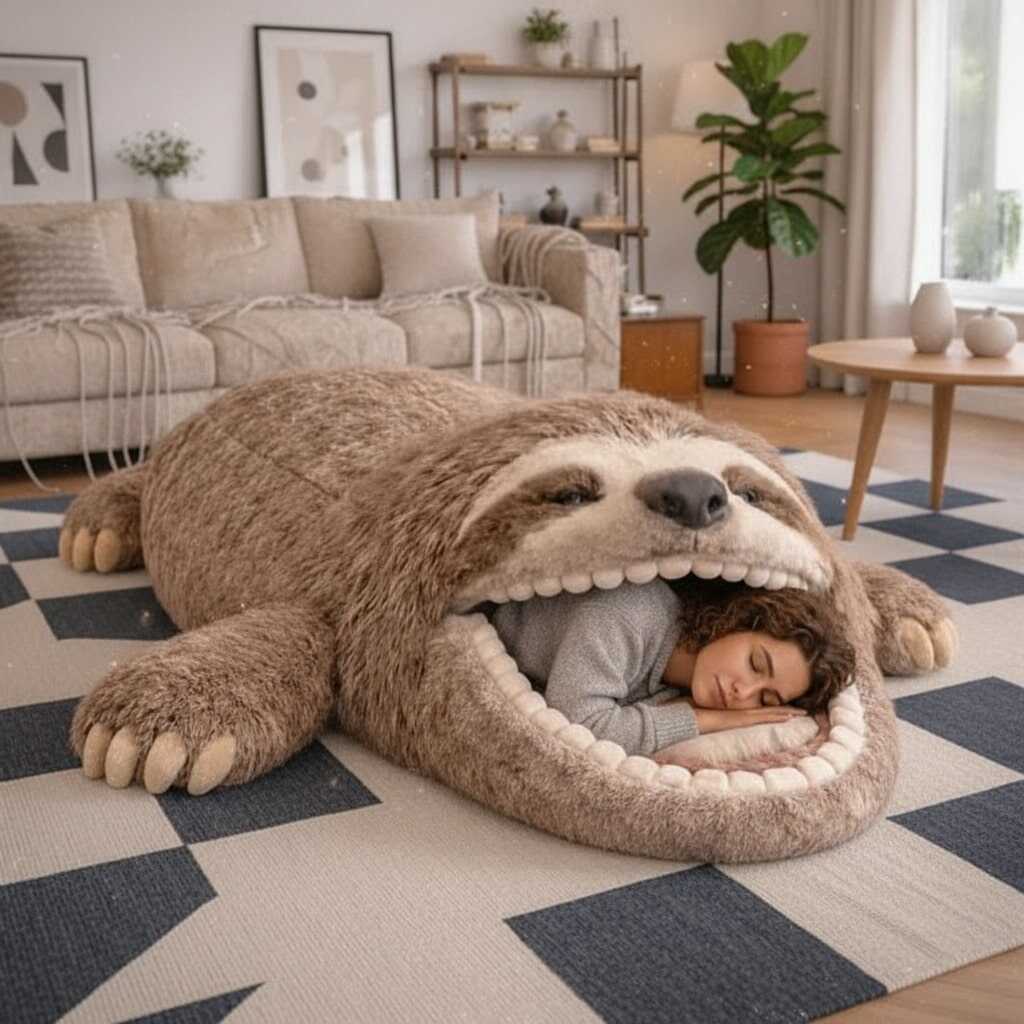
Adults, too, are not immune to this magic. In an era marked by burnout and disconnection, slipping into a whimsical sleeping bag can be an act of re-enchantment. It signals permission to play, to suspend cynicism, to embrace absurdity. An adult curled in a bear-mouth sleeping bag during a solo camping trip isn’t just staying warm—they’re engaging in a quiet rebellion against the rigid roles of daily life. They become, however briefly, part of the wild, part of the story.
Furthermore, these sleeping bags often become central props in shared rituals. Family movie nights, sleepovers, or backyard campouts are elevated by their presence. They encourage collaborative storytelling: “Who’s the dragon tonight?” “Is the wolf guarding the camp?” Such interactions build social bonds and foster creativity through collective make-believe. The sleeping bag becomes less an object and more a stage—a threshold where reality softens and possibility expands.
Even in solitude, the Animal Mouth Sleeping Bag nurtures inner dialogue. Lying within its jaws, one might reflect on the day, process emotions, or simply enjoy the rare luxury of uninterrupted stillness. The animal form acts as a silent companion—nonjudgmental, constant, comforting. In a world that often demands performance and productivity, this unspoken companionship is a gift. It reminds us that we, too, are creatures deserving of rest, of softness, of shelter.
Conclusion: The Gentle Threshold Between Worlds
The Animal Mouth Sleeping Bag is, at its heart, a bridge. It bridges fear and comfort, reality and fantasy, childhood and adulthood, isolation and connection. Its genius lies not in technological innovation or ergonomic precision, but in its poetic understanding of human needs: our longing for safety, our hunger for story, our deep-seated desire to be held—even if only by the imagined jaws of a friendly beast.
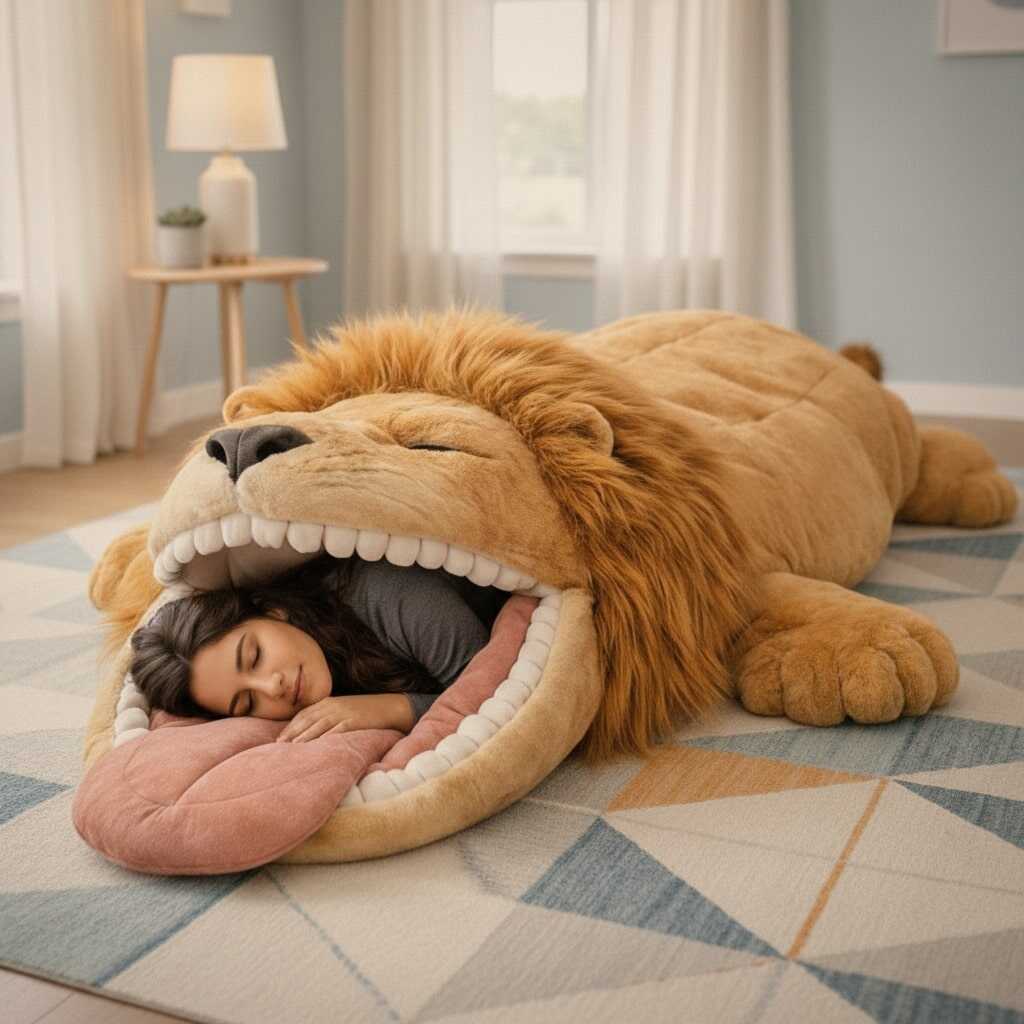
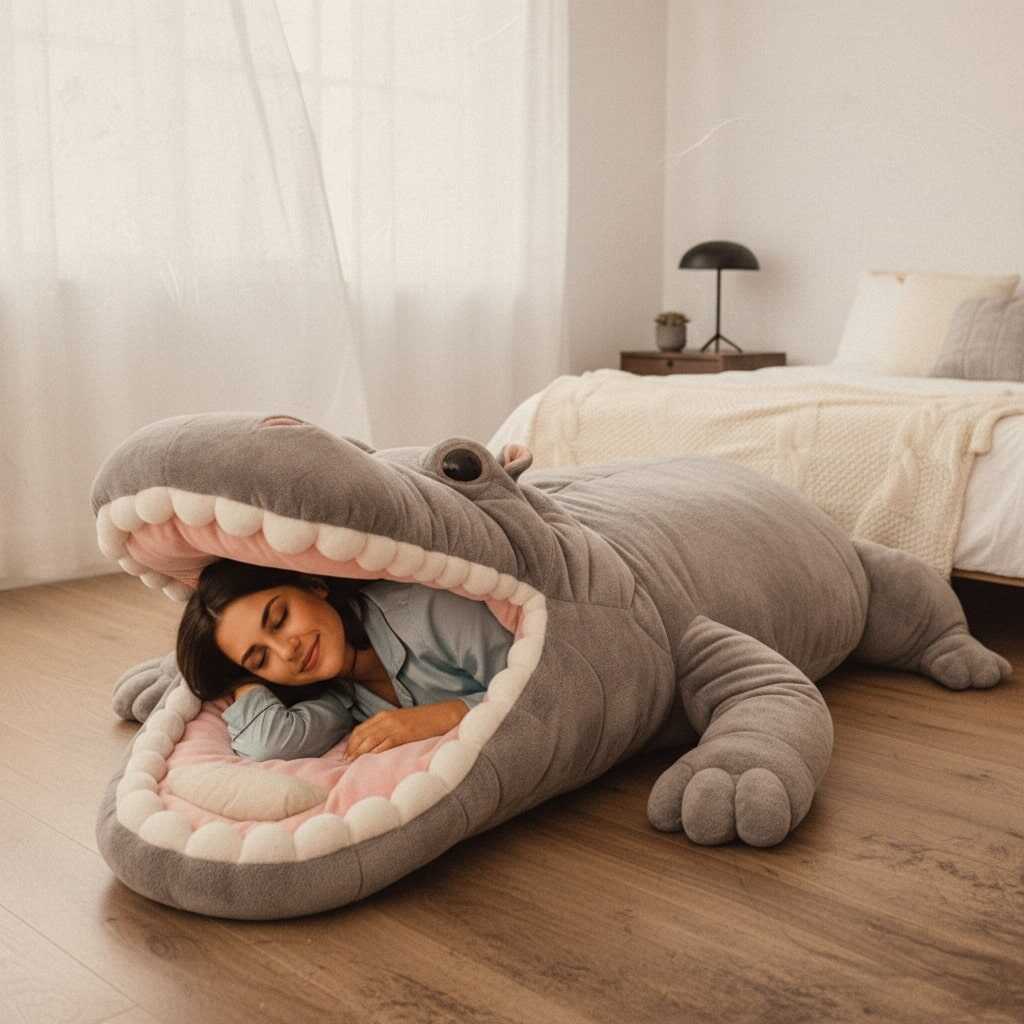
In calling these experiences “cozy adventures,” we acknowledge that true exploration doesn’t always require miles traveled or mountains scaled. Sometimes, the most profound journeys happen beneath a blanket, within the quiet confines of a sleeping bag shaped like a smiling crocodile or a yawning tiger. Here, in this soft liminal space, we rediscover the joy of pretending, the peace of surrender, and the simple pleasure of being warm, safe, and wonderfully silly.
As we navigate an increasingly complex and often overwhelming world, such objects remind us of the enduring power of play and the necessity of tenderness. The Animal Mouth Sleeping Bag is more than fabric and stitching—it is an invitation. An invitation to curl up, to dream boldly, and to remember that sometimes, the safest place in the world is inside the mouth of a monster who only wants to keep you warm.