
The world of novel textiles and leisure design has experienced a significant shift toward oversized, character-driven forms that blur the line between functional bedding and giant plush toys. Among these whimsical creations, the giant frog plush sleeping bag stands out as a unique design phenomenon. Moving away from traditional, utilitarian sleeping gear meant solely for camping efficiency, this specific design focuses entirely on scale, texture, and visual character. By scaling up the classic, comforting aesthetic of a stuffed animal into a fully wearable or hollow structure, designers have created an item that commands attention purely through its visual and physical form. This exploration breaks down the physical attributes, structural configuration, and material composition that give this oversized amphibian concept its distinct aesthetic charm.
The Structural Architecture and Form Factor
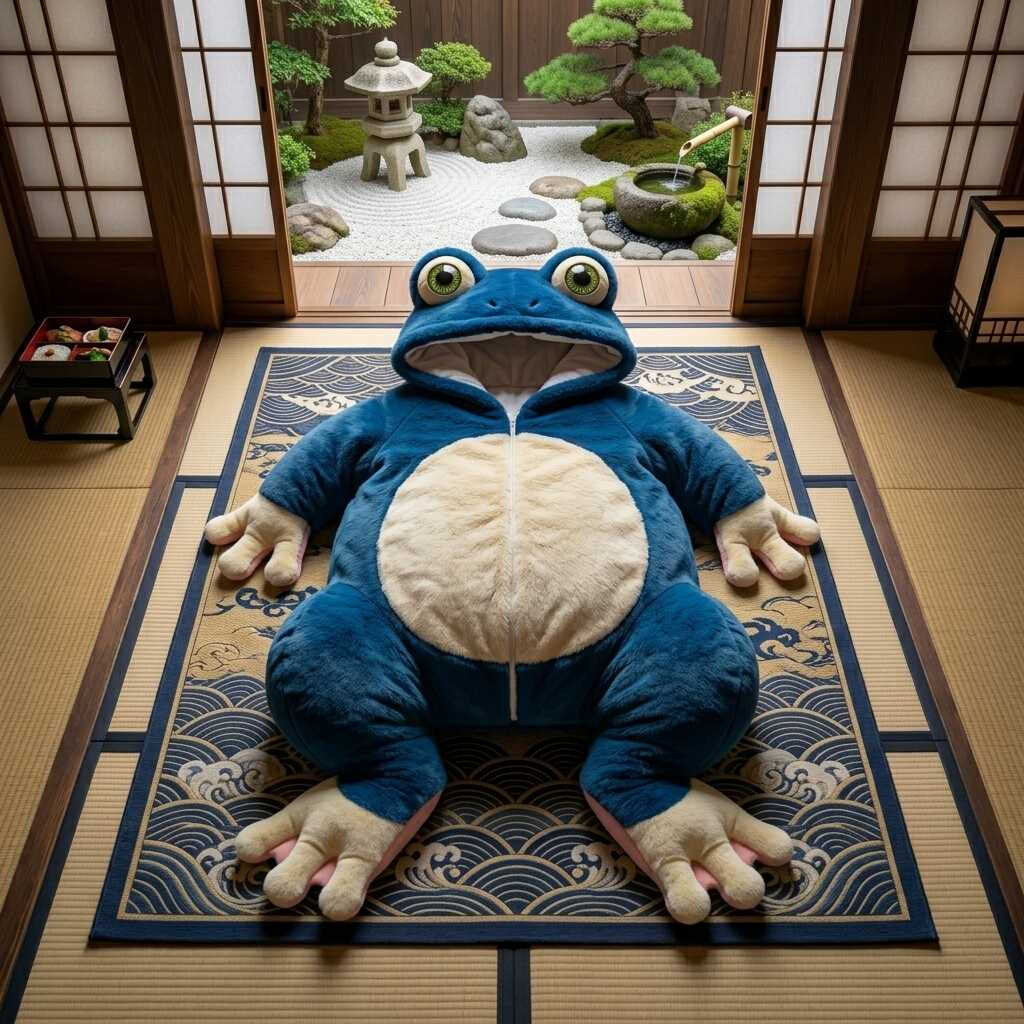
The core appeal of the giant frog plush sleeping bag lies in its multi-layered structural layout. Unlike standard rectangular or mummy-shaped sleeping bags that flatten out when empty, this design is engineered as a semi-structured, three-dimensional sculpture. It utilizes a dual-chamber configuration consisting of a heavily padded exterior shell and a hollow interior cavity designed to accommodate a human form.
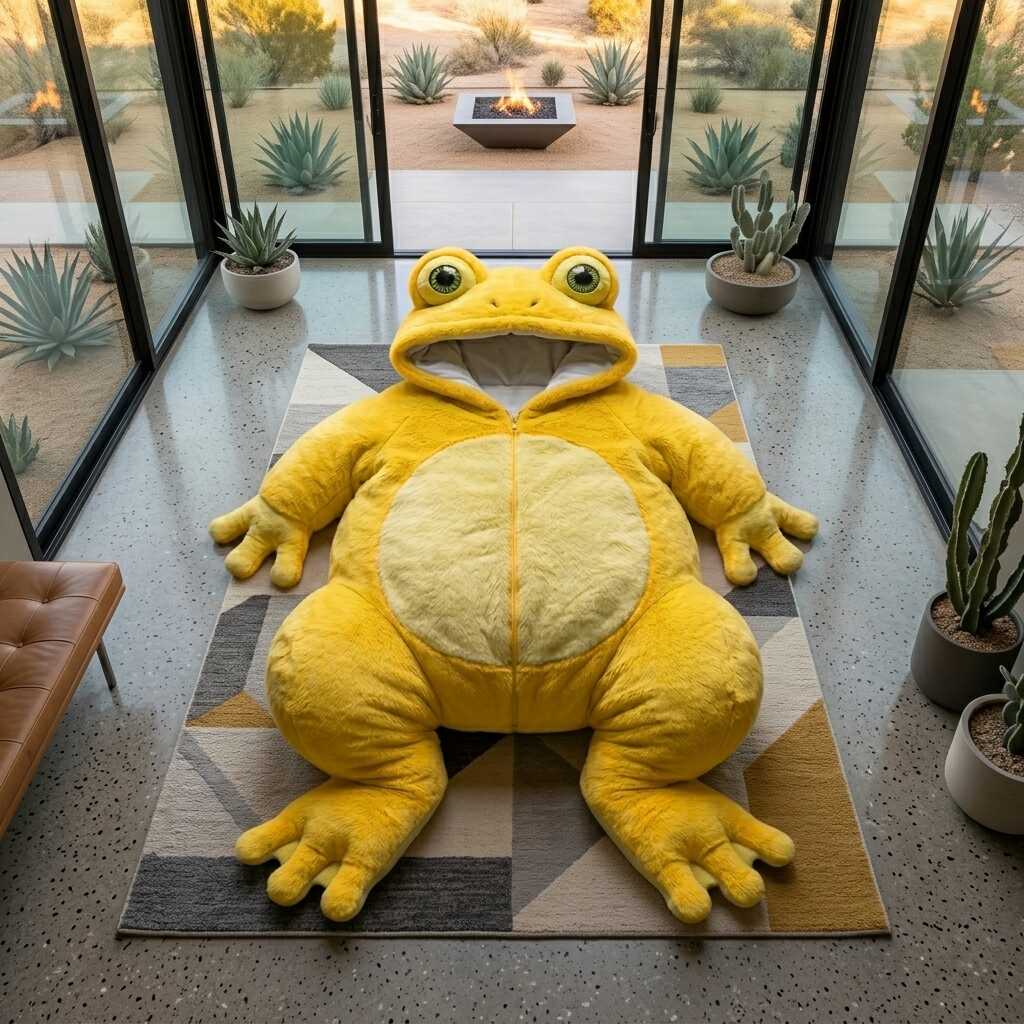
The structural blueprint typically mirrors the anatomy of a stylized, cartoonish anuran. The head section is disproportionately large and dome-shaped, acting as a built-in pillow or hood. This upper chamber is densely packed with supportive stuffing to maintain its rounded shape even under pressure. Moving down the body, the torso section widens significantly to provide a spacious interior pocket. The clever integration of the amphibian’s limbs adds a layer of depth to the silhouette. The front webbed feet are often sewn flat against the upper chest or allowed to dangle loosely, while the elongated rear legs extend downward or fold along the sides, giving the entire item the structural presence of a giant, resting frog.
Anatomical Proportions and Aesthetic Details
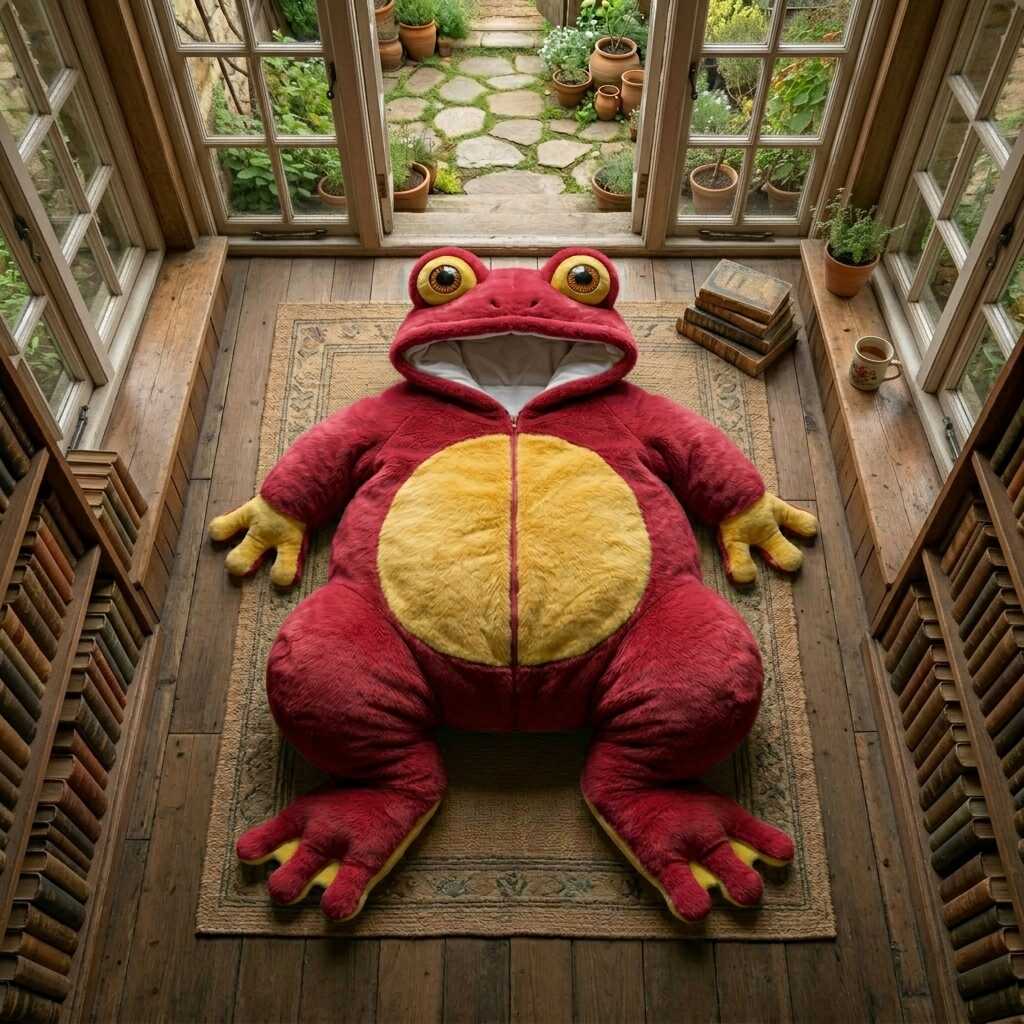
The facial design is the most critical element for establishing the immediate visual identity of the product. The defining characteristics are the oversized, bulging eyes positioned at the top of the head dome. These eyes are constructed as distinct, spherical sub-structures that protrude upward, creating a classic amphibian silhouette. The pupils are frequently rendered using large, glossy black fabric discs or high-contrast embroidery, giving the face an open, friendly expression.
Beneath the prominent eyes, the mouth line is a central design feature. It is usually constructed using a wide, gently curved seam or an integrated zipper track that spans the entire width of the lower head assembly. When the zipper is closed, it forms a subtle smile; when opened, it reveals a contrasting interior fabric that mimics the inside of a frog’s mouth. This opening serves a dual purpose, acting as both a visual detail and the main point of entry into the internal compartment. Additional details like rounded, rosy cheek patches made from contrasting fabric circles are often stitched onto the face to break up the vast green surface and add visual texture.
Material Composition and Surface Textures
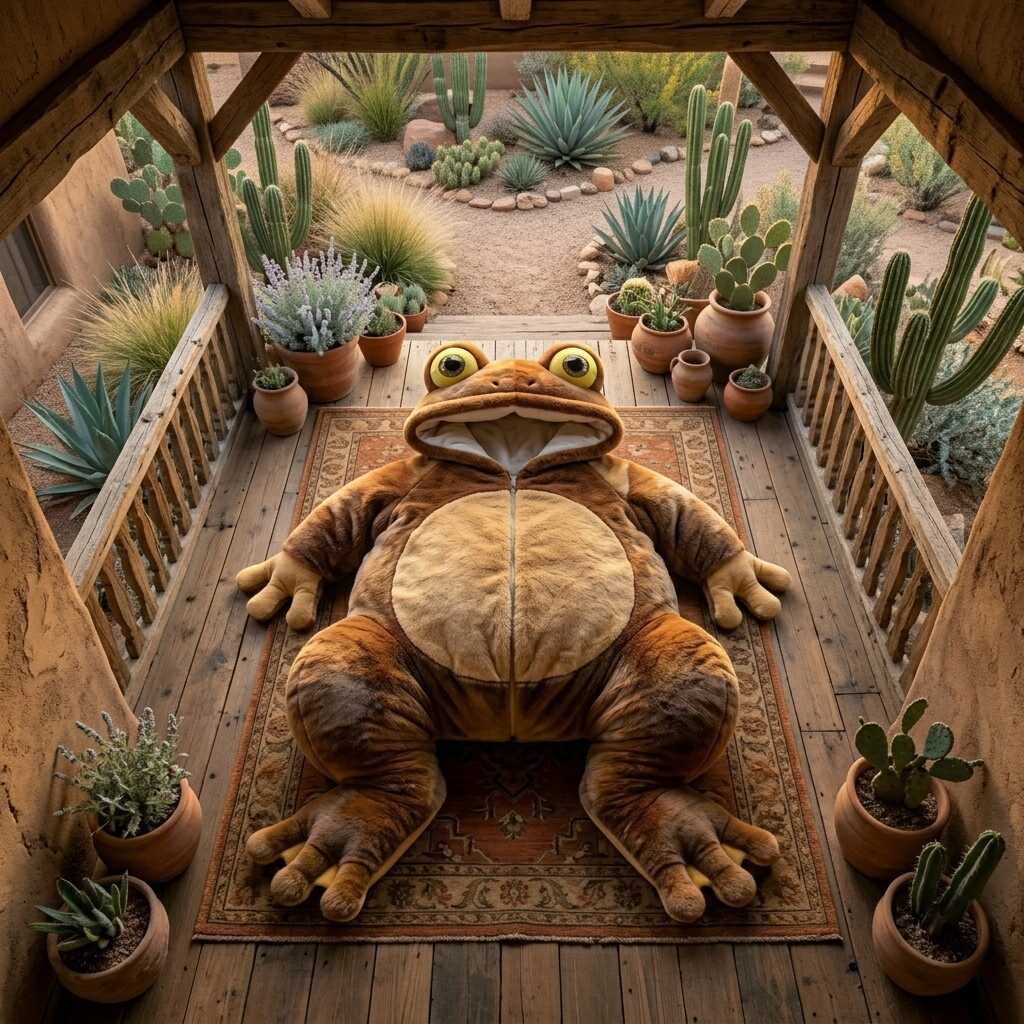
The tactile experience of the frog plush sleeping bag is entirely dictated by its advanced synthetic fabric composition. The exterior shell is predominantly crafted from premium, high-pile micro-polyester or ultra-soft PV fleece (plush velour). This fabric features a dense weave of fine synthetic fibers that catch the light softly, creating a matte, velvety appearance that minimizes harsh reflections and emphasizes the rounded contours of the design.
Internally, the structural volume is achieved through the use of high-loft conjugated polyester fiberfill. This specific stuffing material consists of hollow, twisted fibers that trap air efficiently, allowing the giant limbs and head of the frog to bounce back into shape after being compressed. The interior lining—the fabric that forms the walls of the inner cavity—switches from the high-pile exterior fleece to a smooth, low-nap brushed flannel or breathable microfiber. This material transition keeps the inside from feeling overly bulky while ensuring the interior walls remain smooth and visually uniform.
Color Palette and Visual Contrast
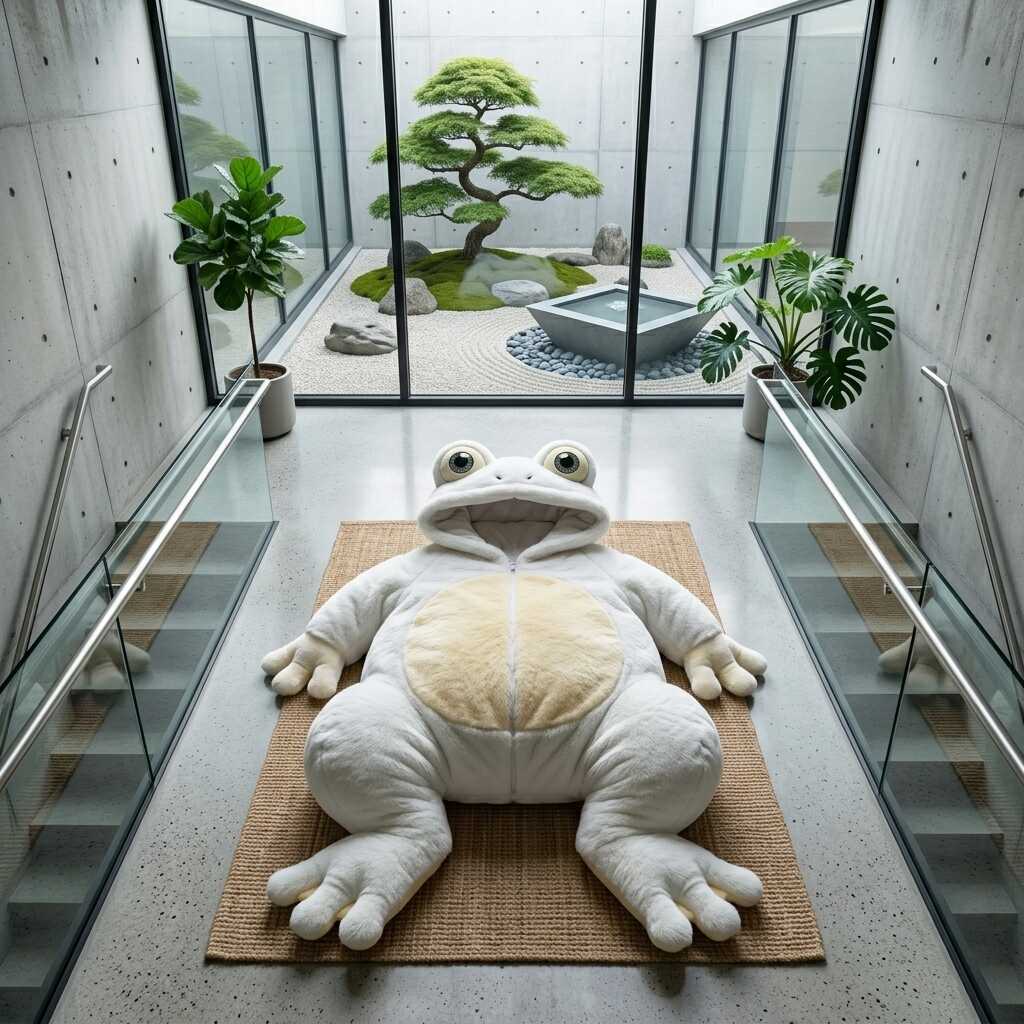
The color scheme of the giant frog plush sleeping bag relies on a carefully balanced arrangement of primary and accent tones to create depth and visual interest. The dominant hue is a rich, vibrant green, though designers often select specific variations like moss green, lime green, or a soft sage to evoke different aesthetic moods. This primary green coats the entire back, head dome, and outer limbs of the structure.
To prevent the massive green form from looking flat or monotonous, a stark cream, pale yellow, or soft white fabric is used for the underbelly and jaw sections. This lighter panel runs from the lower lip down the entire center of the torso, accurately mimicking the countershading found in natural amphibians. The interior cavity introduces a third visual layer, often utilizing a warm peach, soft pink, or muted red fabric to represent the interior of the mouth when the main zipper is pulled back. Smaller accents, such as the bright black and white of the eyes or the rosy pink of the cheeks, provide sharp points of contrast that anchor the overall color composition.
Functional Integration of Zippers and Openings
From a pure design perspective, integrating entry points into a giant plush object requires clever concealment to avoid breaking the illusion of a seamless stuffed animal. The main zipper system is typically hidden along natural anatomical seams. Designers frequently place the primary track along the wide curve of the mouth or down the lateral side where the green back fabric meets the pale underbelly panel.
The zippers themselves are chosen to match the scale of the product, utilizing heavy-duty, oversized resin or nylon teeth that glide smoothly without catching on the surrounding high-pile plush fibers. Fabric guards or overlapping plush flaps are sewn parallel to the zipper tracks. These flaps fold over the hardware when closed, keeping the metal or plastic components hidden from view and ensuring that the frog’s silhouette remains uninterrupted and completely soft to the eye.
In conclusion, the giant frog plush sleeping bag design represents a successful fusion of oversized toy aesthetics and functional textile engineering. By focusing heavily on exaggerated anatomical proportions, such as the prominent dome-shaped eyes and the expansive contrasting underbelly, the design captures the unmistakable charm of a classic cartoon amphibian on a grand scale. The careful selection of high-pile exterior plush fabrics combined with resilient, high-loft interior fiberfill ensures the object retains its iconic, inviting volume. Through thoughtful color blocking and the seamless integration of hidden closures along natural seam lines, this design transforms a standard bedding concept into a striking, three-dimensional fabric sculpture.