
The intersection of functional outdoor gear and imaginative design has birthed a unique category of leisure products that prioritize visual story-telling. Among these, the Hot Air Balloon Sleeping Bag stands out as an exquisite fusion of aviation nostalgia, whimsical illustration, and textile engineering. Unlike standard, utilitarian sleeping bags that rely heavily on monochrome, industrial aesthetics, these whimsical designs draw inspiration from the classic, multi-paneled silhouettes of traditional hot air balloons, thslee soft textures of the sky, and the nostalgic warmth of vintage flight.
Designing a sleep product around the concept of floating amidst the clouds requires a careful balance of structural form, material science, and color theory. Whether designed as a literal three-dimensional representation of a balloon basket and envelope, or adorned with intricate, hand-drawn motifs of ascending vessels, the Hot Air Balloon Sleeping Bag transforms a simple sleeping accessory into a piece of visual art. This article explores the intricate details of these whimsical designs, focusing closely on their silhouette variations, material composition, color palettes, and the specialized construction techniques that bring the magic of flight down to earth.
The Anatomy of the Design: Silhouettes and Structural Forms
To translate the grand scale of a real hot air balloon into a wearable, functional sleep sack, designers utilize two distinct structural pathways: the literal contoured silhouette and the illustrated canvas approach.
The Contoured Balloon Silhouette
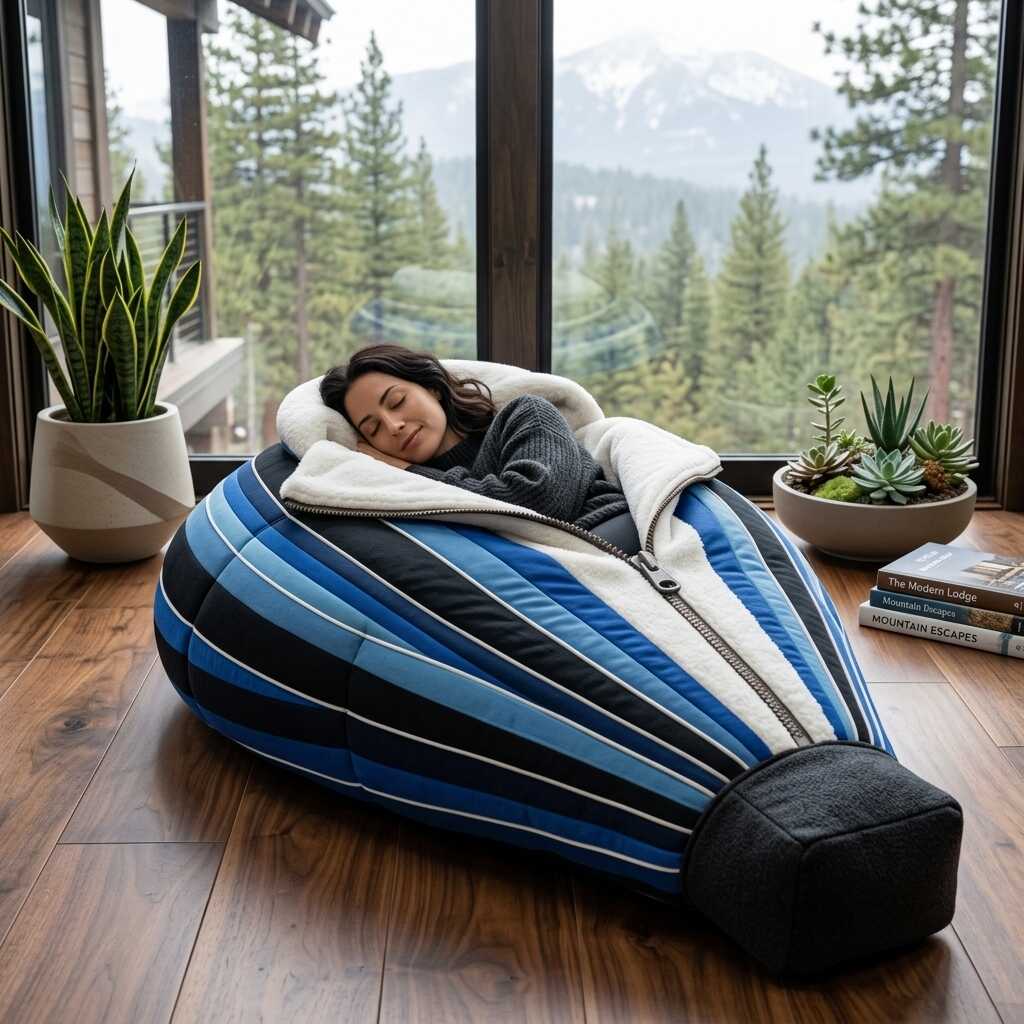
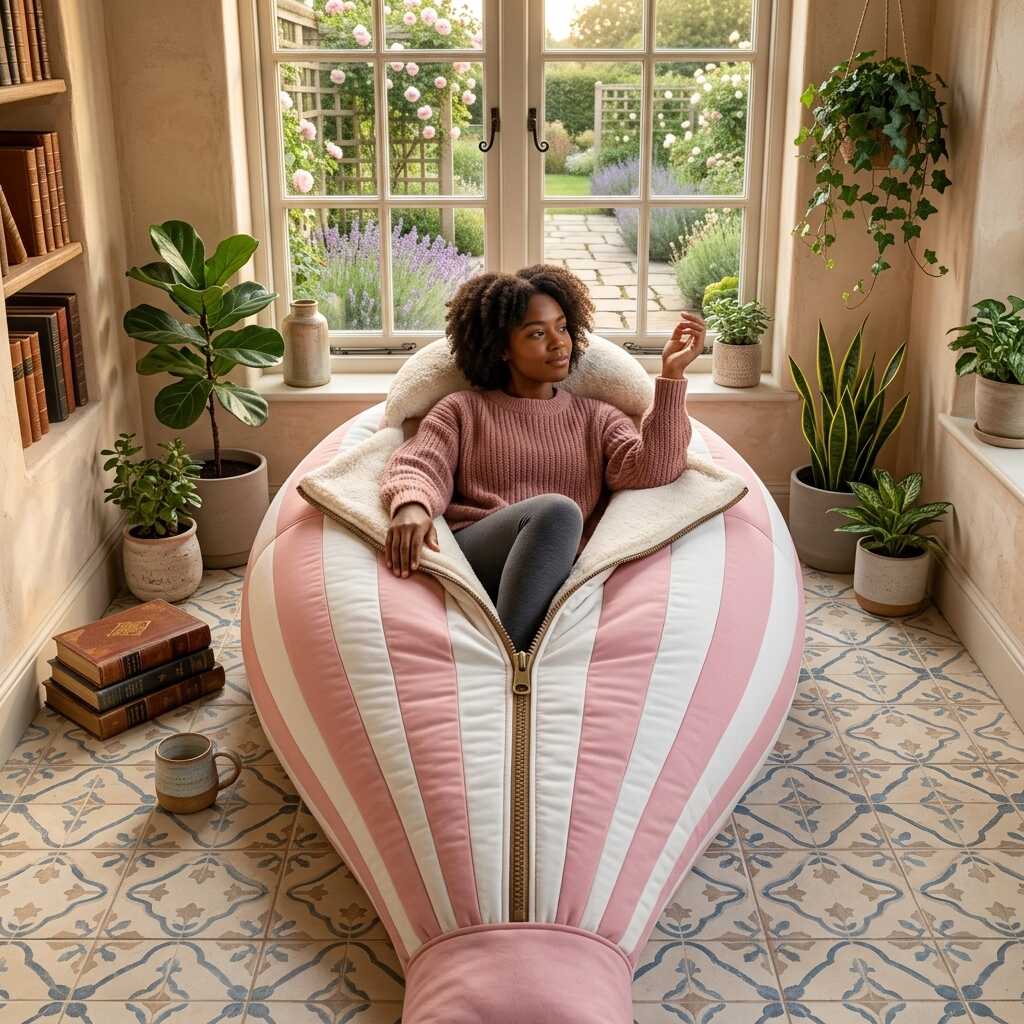
The most avant-garde designs in this category physically replicate the iconic shape of a hot air balloon. The upper portion of the sleeping bag is constructed with a rounded, teardrop-shaped expansion, mirroring the “envelope” (the fabric balloon portion that holds the hot air). This wider upper section allows for spacious movement, gradually tapering down toward the footbox.
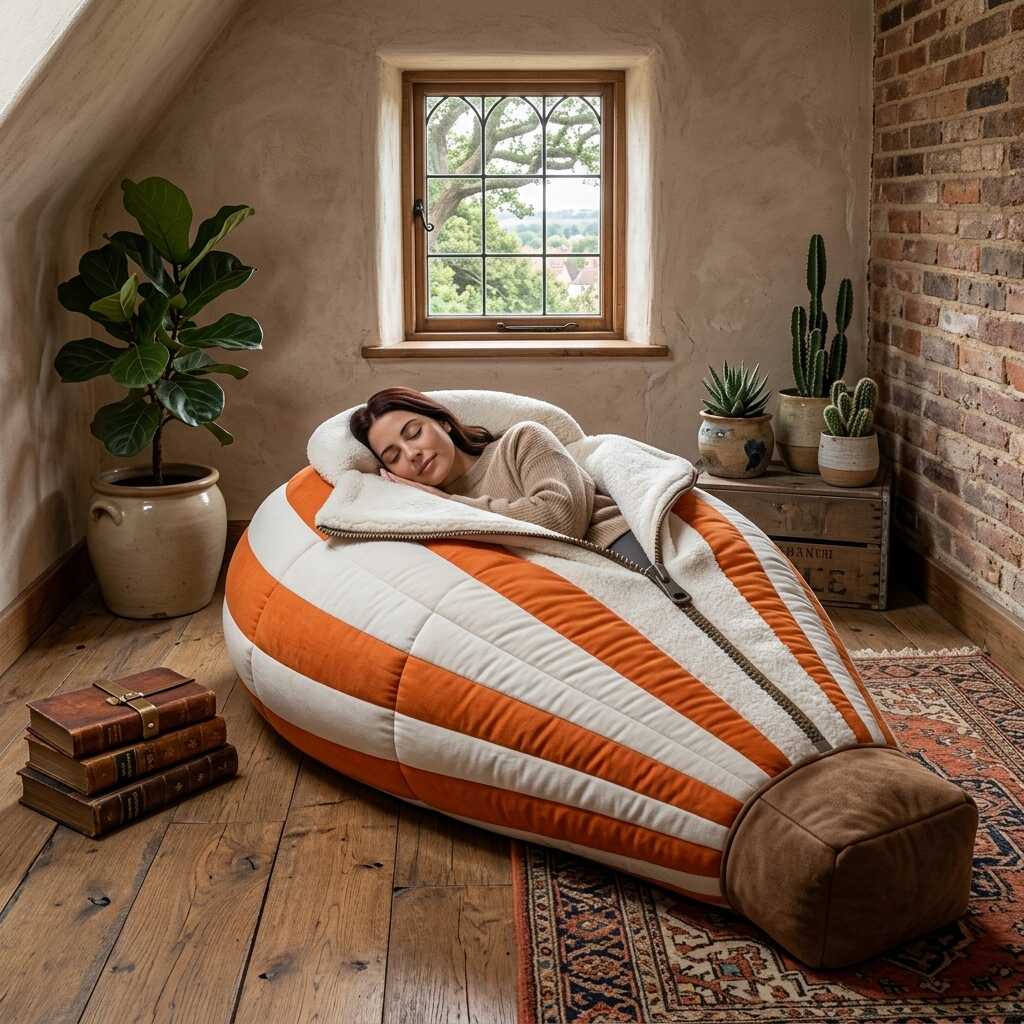
To complete the structural metaphor, the lower portion of the bag is styled to represent the “basket.” This section is often constructed with a distinct fabric texture or a contrasting pattern, such as a woven-print quilt or a structured, flat-bottomed footbox. By varying the panelling and using vertical baffle systems, designers mimic the vertical “gores”—the individual fabric strips that compose a real balloon’s envelope—giving the entire bag a ribbed, three-dimensional texture.
The Illustrated Canvas Design
For a more streamlined, classical sleeping sack, the design focuses on flat-surface aesthetics. Using the exterior shell as a canvas, designers print intricate, repeating patterns of hot air balloons floating over landscapes, through starry skies, or alongside soft clouds.
As seen in delicate textile designs, this approach relies on a minimalist, sleeveless silhouette. The canvas remains uninterrupted by bulky hardware, featuring flat-stitched seams, concealed side zippers, and dainty shoulder snaps to preserve the visual continuity of the printed pattern. The simplicity of this silhouette ensures that the detailed illustrations of the floating balloons remain the central focus of the aesthetic.
Textile Science: Materials, Shells, and Fillings
The magic of a Hot Air Balloon Sleeping Bag is not merely skin-deep; it relies heavily on a sophisticated selection of fabrics that deliver both structural integrity and a cloud-like tactile feel.
High-Thread-Count Organic Cotton and Muslin
For designs intended for indoor leisure, children’s nurseries, or light summer use, designers prioritize natural fibers. High-thread-count organic cotton and multi-layered cotton muslin are the primary choices for these shells.
-
Organic Cotton: Provides a smooth, matte finish that serves as an excellent base for high-definition digital printing. It holds pigment beautifully, ensuring that the pastel colors of the balloons do not fade or bleed.
-
Cotton Muslin: Offers an ultra-soft, breathable, and slightly puckered texture that naturally mimics the airy feel of clouds. The inherent weave of muslin provides a lightweight drape, allowing the bag to billow slightly when moved, reinforcing the illusion of flight.
Quilted Polyester and Weather-Resistant Ripstop Nylon
For more robust or outdoor-capable versions of the Hot Air Balloon Sleeping Bag, technical synthetic fibers are employed to achieve the structural “puffiness” associated with balloons.
-
Ripstop Nylon: A lightweight, high-density weave that mimics the actual material used to construct real hot air balloon envelopes. It has a slight sheen that catches the light, giving the printed or paneled colors a vibrant, luminous quality.
-
Recycled Polyester Wadding: To create the loft (thickness) needed to represent a puffy balloon, quilted designs utilize a high-loft polyester filling. The quilting lines are stitched in vertical curved arcs rather than standard horizontal grids, directly replicating the structural seams of a balloon.
The Color Palette: From Sunrise Pastels to Midnight Skies
Color is perhaps the most powerful tool in the hot air balloon design language. The color choices are deeply rooted in the atmosphere of early morning flights and night glows.
| Palette Style | Base Colors | Accent Tones | Design Goal |
| Dawn Ascent | Off-white, soft cream, ivory | Warm peach, dusty rose, sage green | Replicates the gentle light of a morning launch. |
| Clear Sky | Sky blue, baby blue, pale gray | Soft yellow, terracotta, navy | Mimics high-altitude drift against a clear backdrop. |
| Midnight Glow | Deep indigo, midnight blue, charcoal | Gold, burnt orange, reflective silver | Captures the dramatic, luminous contrast of a night-glow event. |
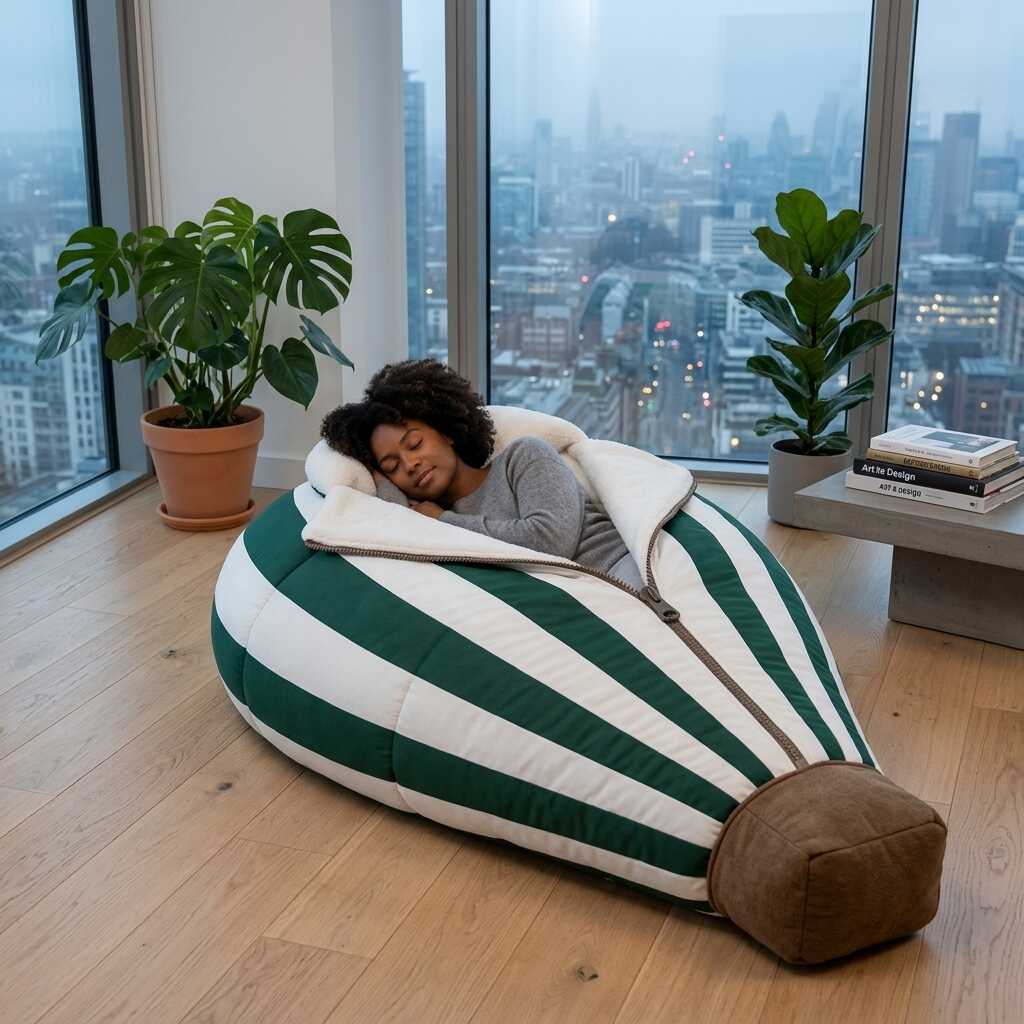
By utilizing these specific palettes, the Hot Air Balloon Sleeping Bag evokes a sense of weightlessness. The prints often feature subtle gradient shifts, where the colors transition from a deeper shade at the bottom (representing the earth) to a lighter, almost translucent shade at the top (representing the thinning atmosphere).
Ornate Details and Functional Hardware Aesthetics
To elevate the whimsical nature of the design, every fastener, zipper, and stitch must align with the aeronautical theme.
Concealed and Contrasting Zippers
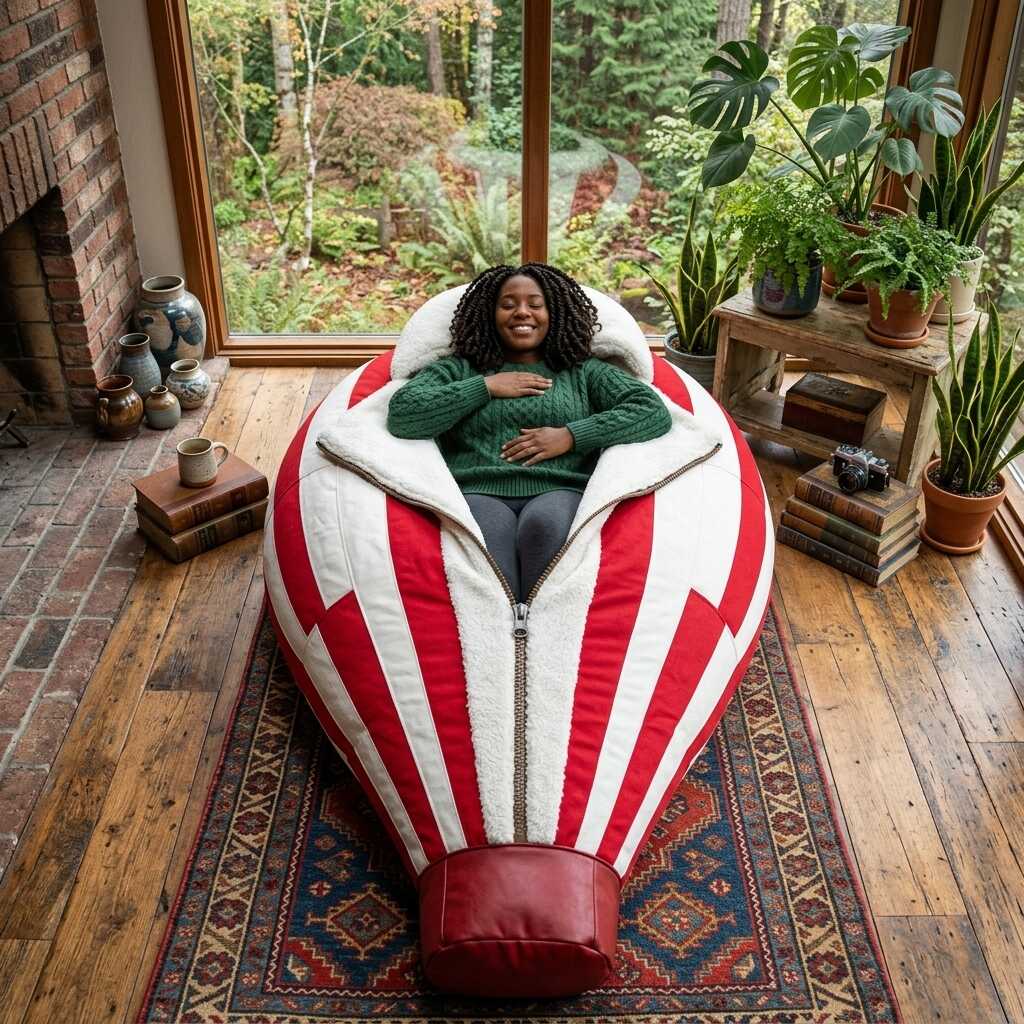
The hardware is carefully integrated so as not to disrupt the overall silhouette. Two-way zippers are frequently used, running along the side and bottom edges to allow the bag to open completely flat like a quilt. In premium designs, the zipper teeth are dyed to match the dominant accent color of the balloon panels, or hidden entirely under a padded storm flap that resembles the fabric rigging of a balloon basket.
Thematic Fasteners and Embroidery
On the shoulders and collar, where closure security is paramount, designers often incorporate small, decorative elements:
-
Wooden Toggle Buttons: To mimic the toggle fasteners traditionally used on vintage leather balloon baskets.
-
Cloud-Shaped Popper Fasteners: Custom-molded snap buttons shaped like fluffy clouds or miniature hot air balloons.
-
Metallic Gold Embroidery: Fine, metallic thread is used to trace the basket ropes, burner flames, or stars on the outer shell, adding a touch of sparkle that catches the light and emphasizes the magical, dreamlike theme of the product.
Conclusion
The Hot Air Balloon Sleeping Bag is a masterclass in how whimsical concepts can reshape traditional textile design. By moving away from purely utilitarian shapes and clinical colors, designers have created a highly visual, tactile product that celebrates the beauty of lighter-than-air flight. Through the clever use of contoured silhouettes, balloon-gore quilting, cloud-like cotton and nylon fabrics, and a color palette inspired by the changing sky, this sleeping bag design stands as an artistic tribute to adventure and imagination. It proves that even the most functional bedding can be transformed into a canvas of wonder, carrying the spirit of the clouds into the comfort of a resting space.