
Water rescue has always been a race against time. Whether it’s a swimmer caught in a rip current, a boater thrown overboard, or a flood victim stranded in fast-moving water, the first few minutes after an emergency call often determine the outcome. Traditional rescue methods rely on lifeguards, boats, or helicopters reaching the scene as quickly as possible, but distance, weather, and water conditions can slow even the most well-trained response teams. This is where a new category of technology is starting to change the equation: the life preserver with drone systems.
Rather than waiting for a human rescuer to physically reach someone in distress, these systems use unmanned aerial vehicles to fly a flotation device directly to a person struggling in water. It sounds almost simple on paper, but the engineering, coordination, and design thinking behind it represent a genuine shift in how rescue equipment is being built. In this article, we’ll look at how these systems work, why they’re gaining attention among safety agencies and researchers, and what their rise means for the future of water rescue design.
What Exactly Is a Life Preserver With Drone Technology?
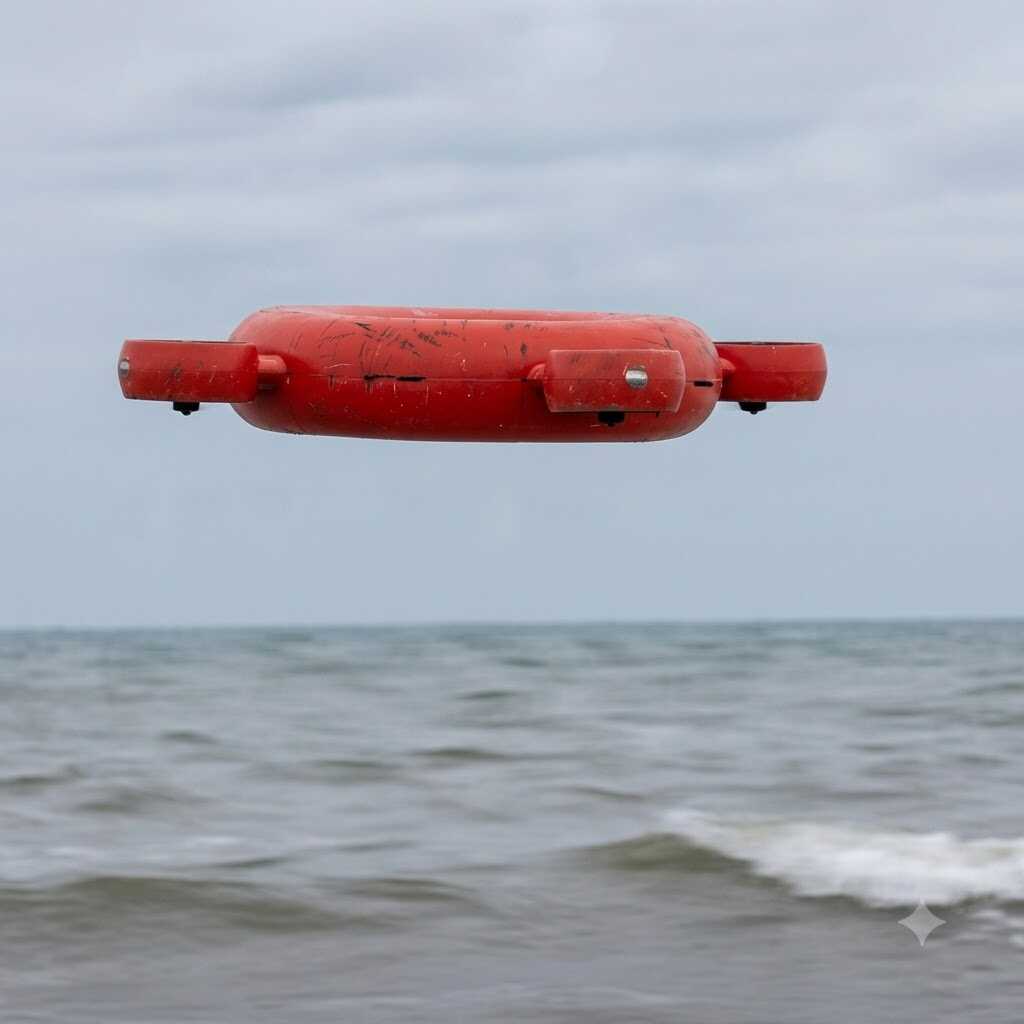
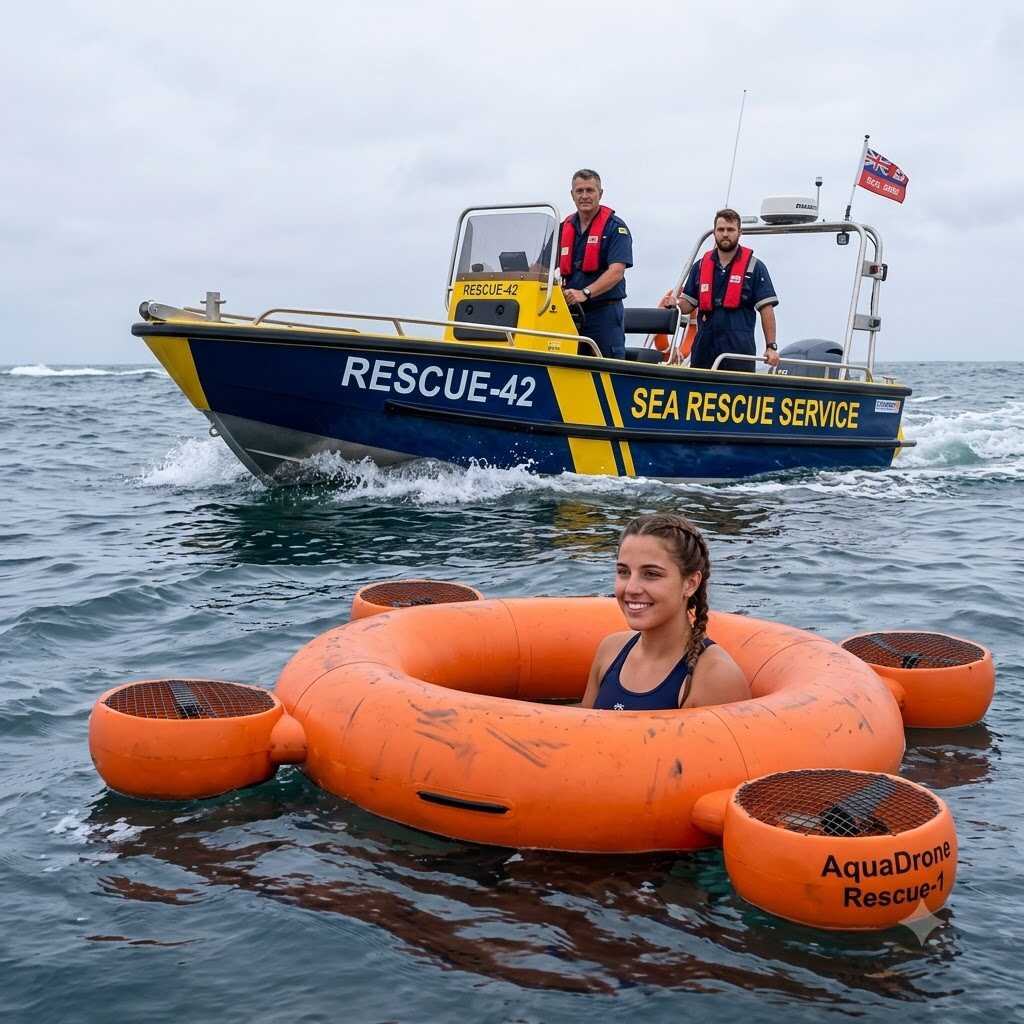
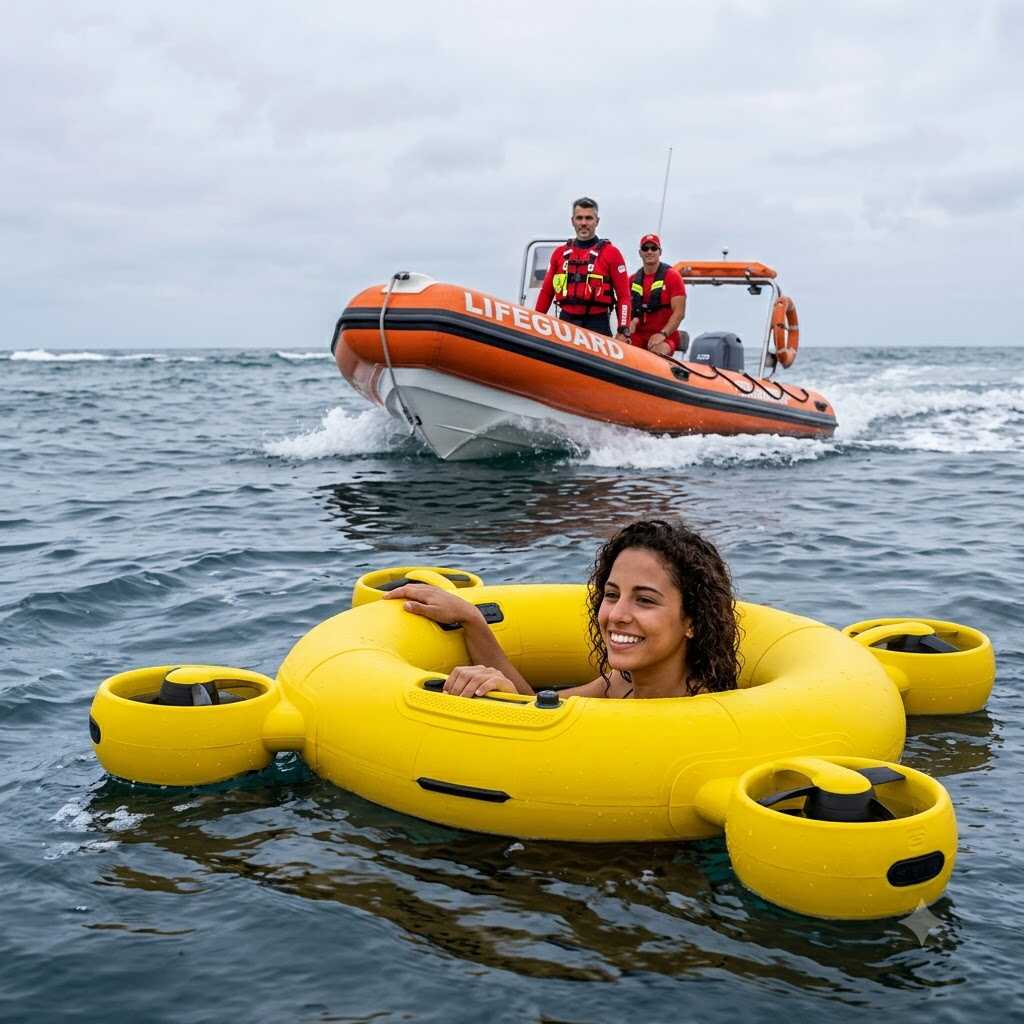
At its core, a life preserver with drone setup pairs a lightweight flotation device with a remotely piloted or semi-autonomous aircraft capable of carrying and releasing it near a person in the water. Instead of a lifeguard swimming out or a boat navigating choppy waves, the drone covers the distance through the air, which is often faster and unaffected by underwater hazards like currents, debris, or marine life.
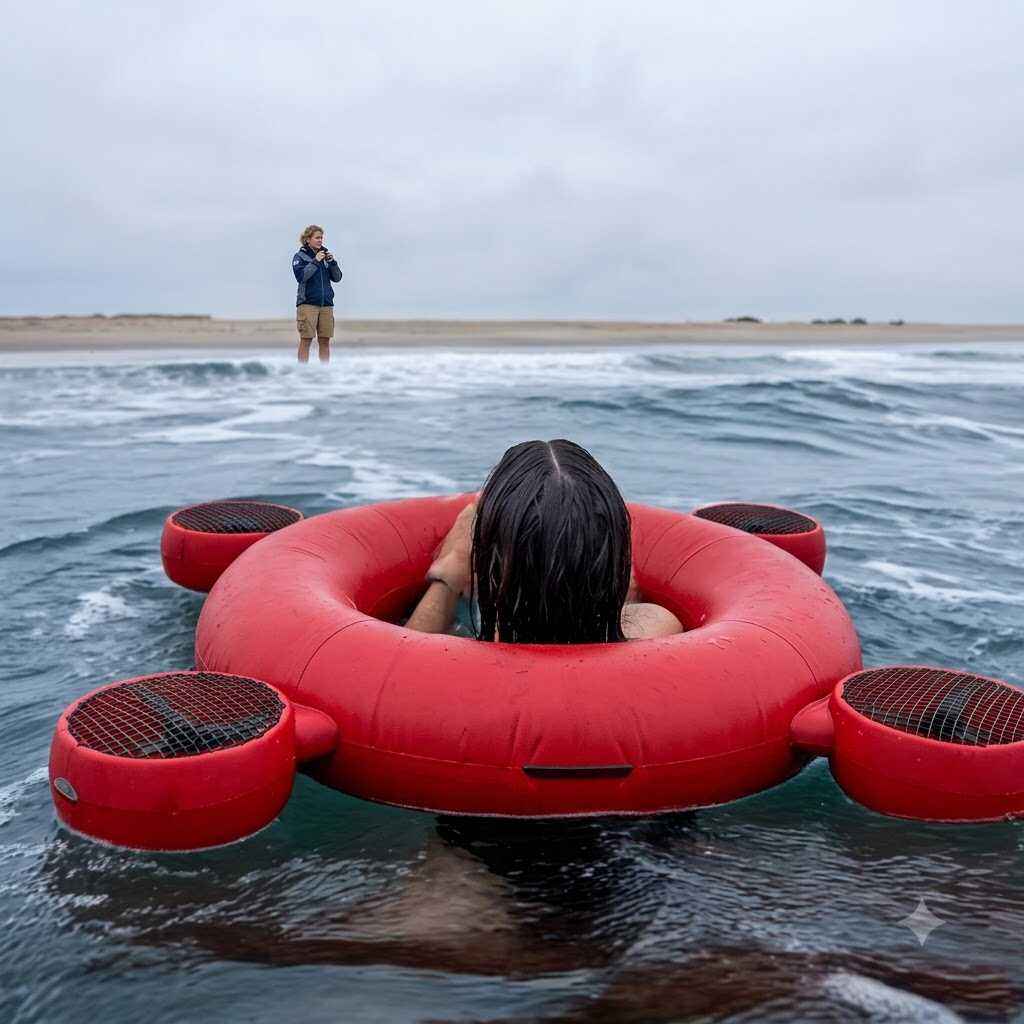
Most of these systems are built around compact multi-rotor drones, similar in size to those used for aerial photography, but reinforced to carry a payload that can inflate or unfold once it reaches the target. Some versions use a self-inflating ring or vest that expands the moment it touches water, giving the person something to hold onto almost instantly. Others are designed to be dropped from a low hover, reducing the risk of the device drifting too far from the person in need.
Why Speed Matters So Much in Water Emergencies
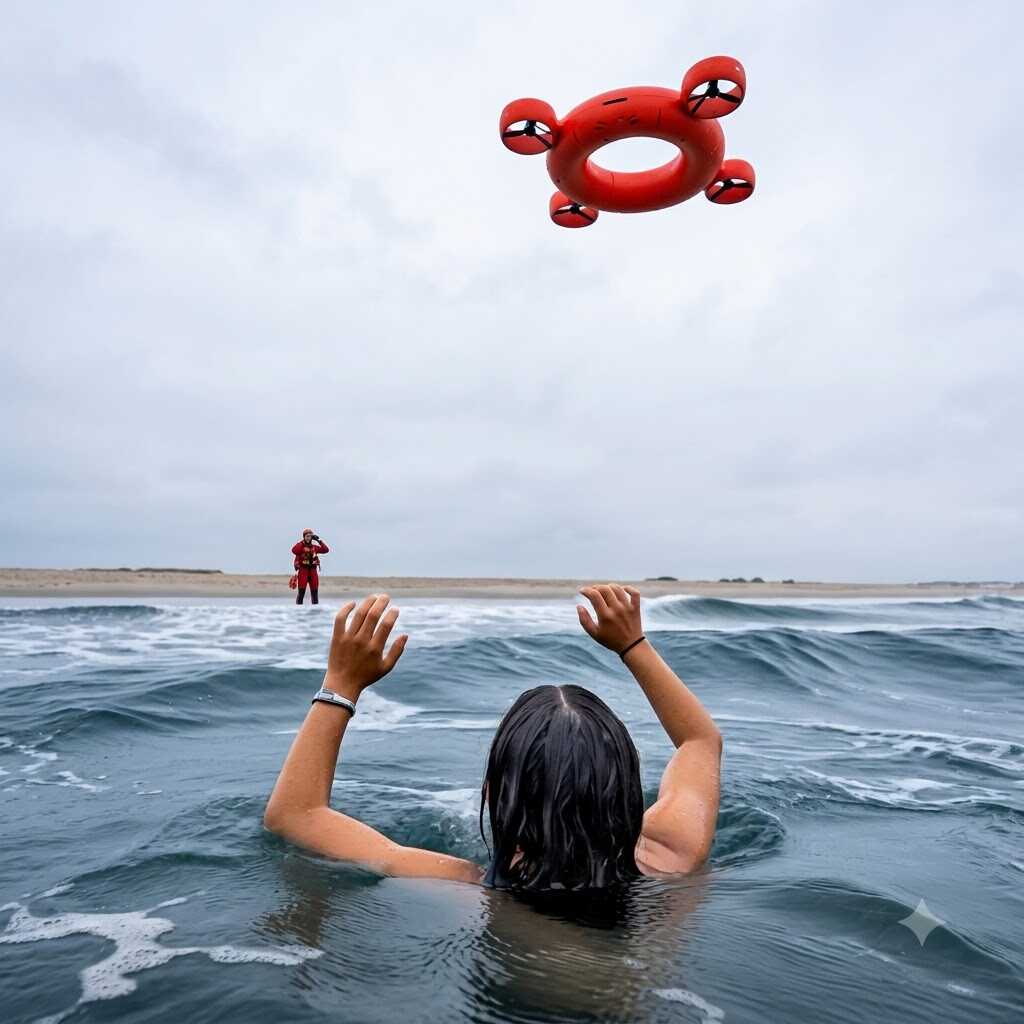
One of the biggest arguments in favor of drone-assisted rescue equipment is response time. In many drowning incidents, the difference between a safe recovery and a tragedy is measured in seconds, not minutes. A trained lifeguard swimming through open water might take several minutes to reach someone, especially in rough conditions or at a crowded beach where visibility is limited.
A drone, by comparison, can often reach the same location in a fraction of that time. It doesn’t get tired, it isn’t slowed by waves, and it can travel in a straight line rather than navigating around obstacles the way a swimmer or boat might have to. This speed advantage doesn’t replace the need for trained rescuers, but it does buy critical time, keeping a person afloat until human help arrives.
Design Challenges Behind These Systems
Building a reliable life preserver with drone system is not as straightforward as strapping a flotation device to any aircraft. Engineers have had to rethink several aspects of drone design specifically for water rescue scenarios.
Weather resistance is one of the biggest hurdles. Water emergencies often happen during storms, high winds, or low visibility conditions, exactly the situations where drones typically struggle. Designers have had to focus on stronger motors, water-resistant housings, and flight software that can compensate for gusts and turbulence near the water’s surface.
Payload accuracy is another major consideration. Dropping a flotation device too far from a struggling swimmer defeats the purpose. This has pushed developers toward better camera systems, GPS precision, and even computer vision that can track a person’s position in real time, adjusting the drone’s flight path as it approaches.
Battery life and range also shape how these systems are built. A drone needs enough power to reach the person, hover if necessary, and return safely, all while carrying the added weight of the rescue device. This has led to lighter frame materials and more efficient battery configurations tailored specifically for short, high-intensity rescue flights rather than long recreational flights.
Who Is Using or Testing These Systems
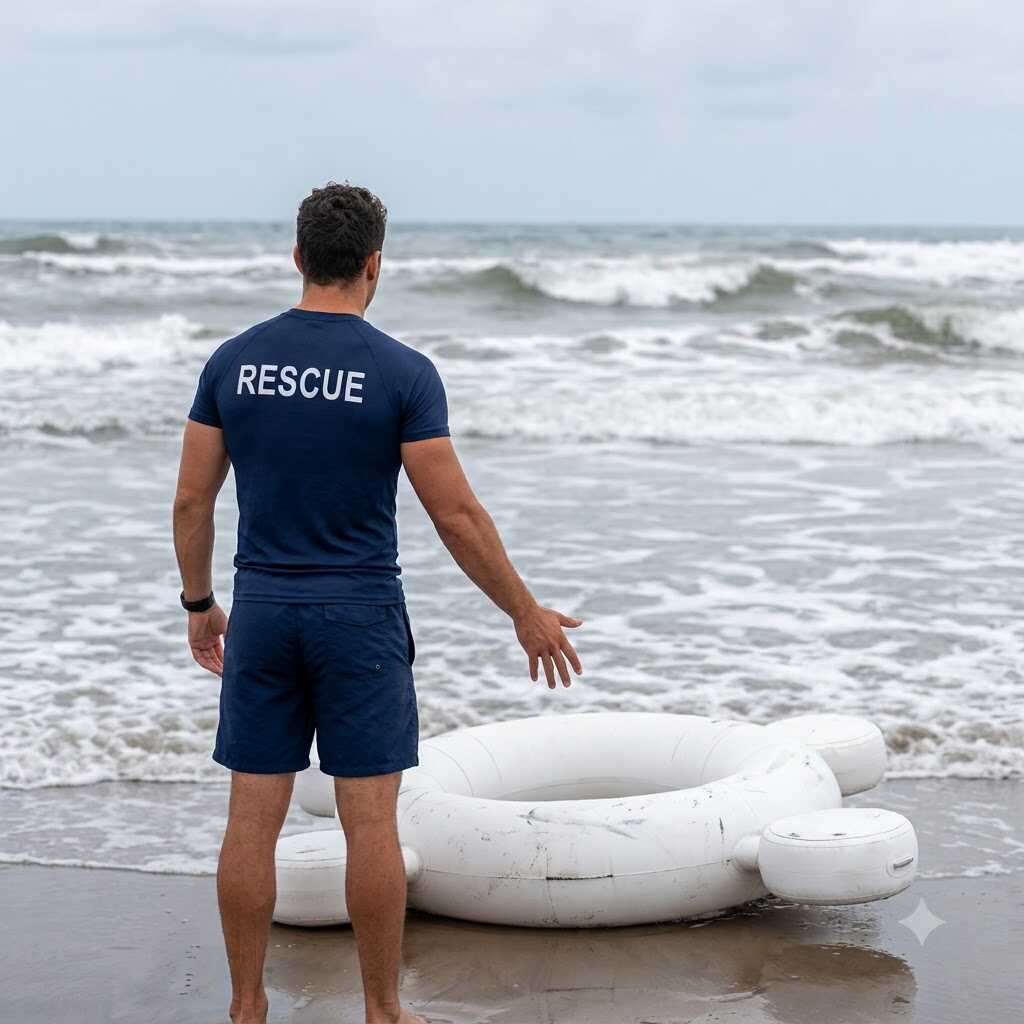
Interest in drone-based flotation rescue isn’t limited to a single industry. Coastal safety patrols, university robotics programs, and disaster response researchers have all explored variations of this concept. Beaches with long stretches of coastline and limited lifeguard coverage have been particularly interested, since a single drone operator can potentially monitor and respond to a much larger area than a lifeguard stationed at one point.
Flood-prone regions have also shown interest, since drones can access areas that boats or vehicles physically cannot reach, such as flooded neighborhoods with debris-filled water or fast-moving currents that make boat deployment dangerous for rescuers themselves.
Some search and rescue training programs have started incorporating these tools into simulated drills, helping responders understand how to coordinate a human rescue effort alongside an aerial one. This kind of hybrid approach, where technology handles the first critical minutes and trained personnel take over from there, appears to be where the field is heading.
The Human Element That Still Matters
It’s worth noting that no drone system is meant to fully replace trained rescuers. A flotation device only buys time; it doesn’t pull someone out of the water, provide medical attention, or make judgment calls in a chaotic situation. What these systems are really designed to do is bridge the gap between the moment an emergency is detected and the moment human help physically arrives.
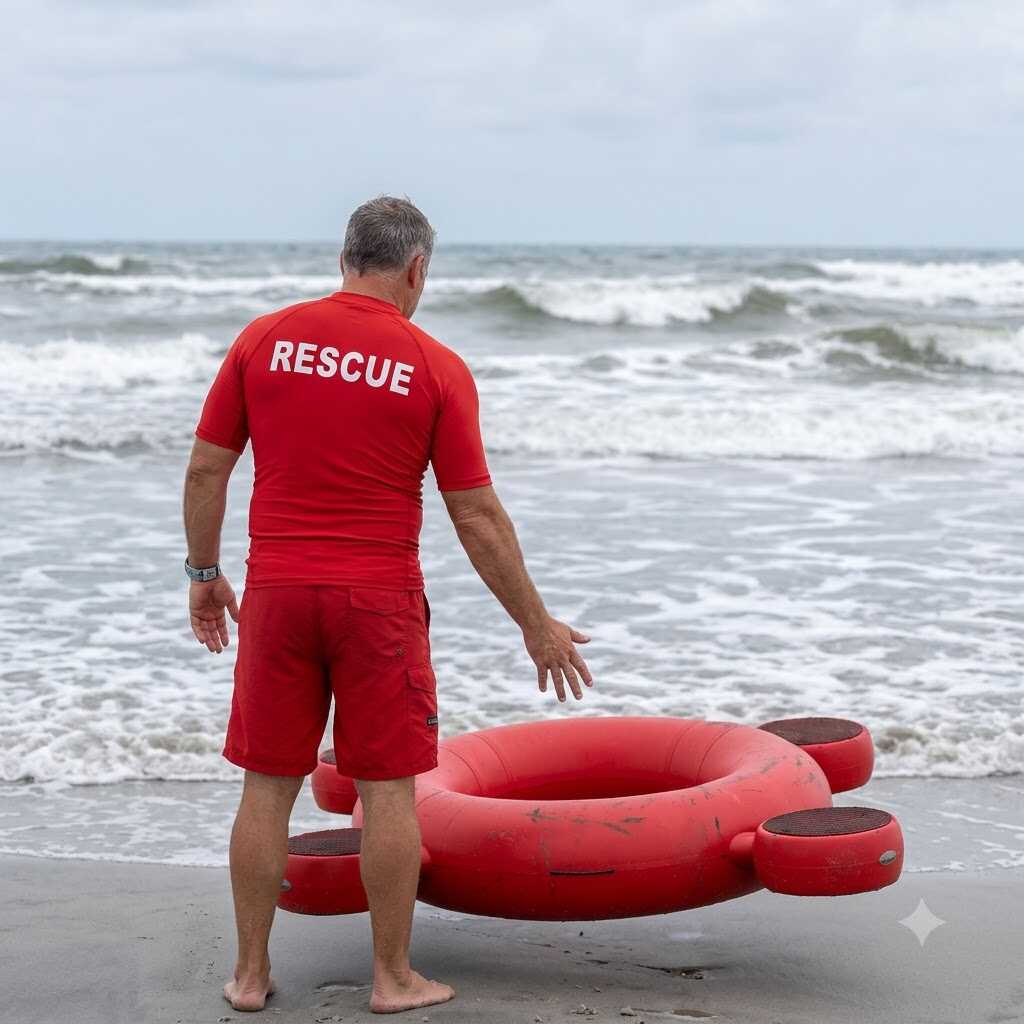
This is an important distinction in how the technology is being discussed among safety professionals. Rather than framing drones as a replacement for lifeguards or rescue teams, most current research treats them as an extension of existing rescue infrastructure, a tool that adds another layer of response speed without removing the need for trained judgment and physical intervention.
What This Means for the Future of Rescue Design
The rise of the life preserver with drone concept reflects a broader trend in emergency response: using automation and robotics not to replace human responders, but to compress the time between an incident occurring and help arriving. As drone technology continues to improve in areas like weather resistance, battery efficiency, and autonomous navigation, it’s likely that water rescue teams will increasingly incorporate aerial flotation delivery as a standard part of their toolkit, alongside boats, jet skis, and traditional lifeguard patrols.
Researchers and safety organizations continue to study how these systems perform in real-world conditions, from crowded public beaches to remote lakes and flood zones. As more data becomes available, it will likely shape not just how the drones themselves are built, but how rescue protocols are updated to include them.
Conclusion
The idea of pairing a life preserver with a drone might have sounded like science fiction a decade ago, but it’s quickly becoming a serious area of research and development within water safety circles. By addressing one of the most critical factors in water emergencies, response time, these systems offer a meaningful complement to traditional rescue methods. While they’re not a replacement for trained lifeguards or rescue teams, their ability to reach a person in distress faster than a human swimmer or boat could represents a genuine step forward in how emergency response is being reimagined. As the technology matures, it’s likely we’ll see these systems become a more familiar sight along coastlines, lakes, and flood-prone areas around the world, quietly reshaping what water rescue looks like in the years ahead.