
If you’ve ever watched a cat curl into an impossibly tight ball on the corner of a couch cushion, you already understand the puzzle that furniture designers have been trying to solve for years. Cats don’t sleep the way dogs do. They fold, twist, tuck their paws under their chin, and seek out shapes that cradle their spine in a specific curve. This is the exact problem that the team behind LUXARTNET CAT SHAPED SLEEPING BEDS set out to solve, and the result is less a product story and more a case study in applied design thinking.
Why Shape Matters More Than Softness
A lot of pet bed design starts and ends with “make it fluffy.” That’s a mistake. Softness without structure just means a cat sinks in the middle and ends up curled on the rim instead, which defeats the purpose entirely. The design philosophy behind Luxartnet’s cat-shaped sleeping beds begins with orthopedic mapping — essentially studying how a resting cat’s body weight distributes across a curled posture versus a stretched one.
Early prototypes were built using foam-density testing rigs, the same category of tool used in human mattress R&D, just scaled down. Designers measured how different curvature radii affected pressure points along a cat’s hips and shoulder blades. What they found was that a shallow, bowl-like recess with a slightly raised rim outperformed flat cushions in almost every trial, because it mimics the enclosed feeling cats seek out in nature — think hollow logs, cardboard boxes, or the crook of a tree branch.
The Cat-Shaped Silhouette Isn’t Just Aesthetic
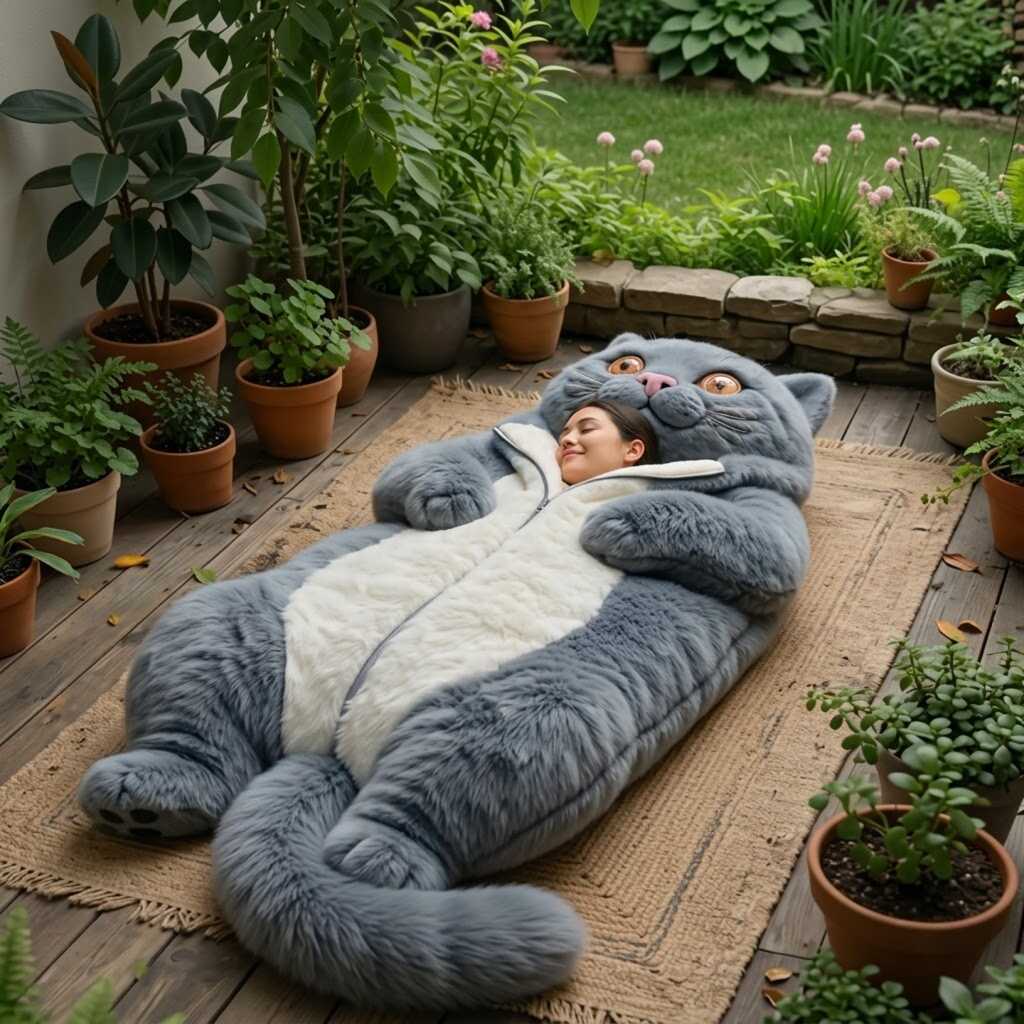
It would be easy to assume the whimsical cat-shaped silhouette exists purely for social media appeal. That’s part of it, sure — a bed shaped like a curled-up feline photographs beautifully. But the SILHOUETTE itself plays a functional role too. The rounded “ears” and tapered “tail” sections of the design aren’t decorative flourishes bolted onto a generic cushion. They’re structural extensions that give a cat something to press a paw against or nestle a head into, extending the usable resting surface beyond a simple circle or oval.
This is where manufacturing gets genuinely tricky. Molding a symmetrical cushion is straightforward. Molding an asymmetrical, anatomically inspired shape that still holds its form after hundreds of wash cycles requires a completely different approach to internal support structures. The design team reportedly went through more than a dozen iterations of internal foam scaffolding before landing on a layered build: a firmer base layer for shape retention, a memory-response middle layer, and a plush topper layer for the initial point of contact.
Materials: Where DIY Meets Industrial Process
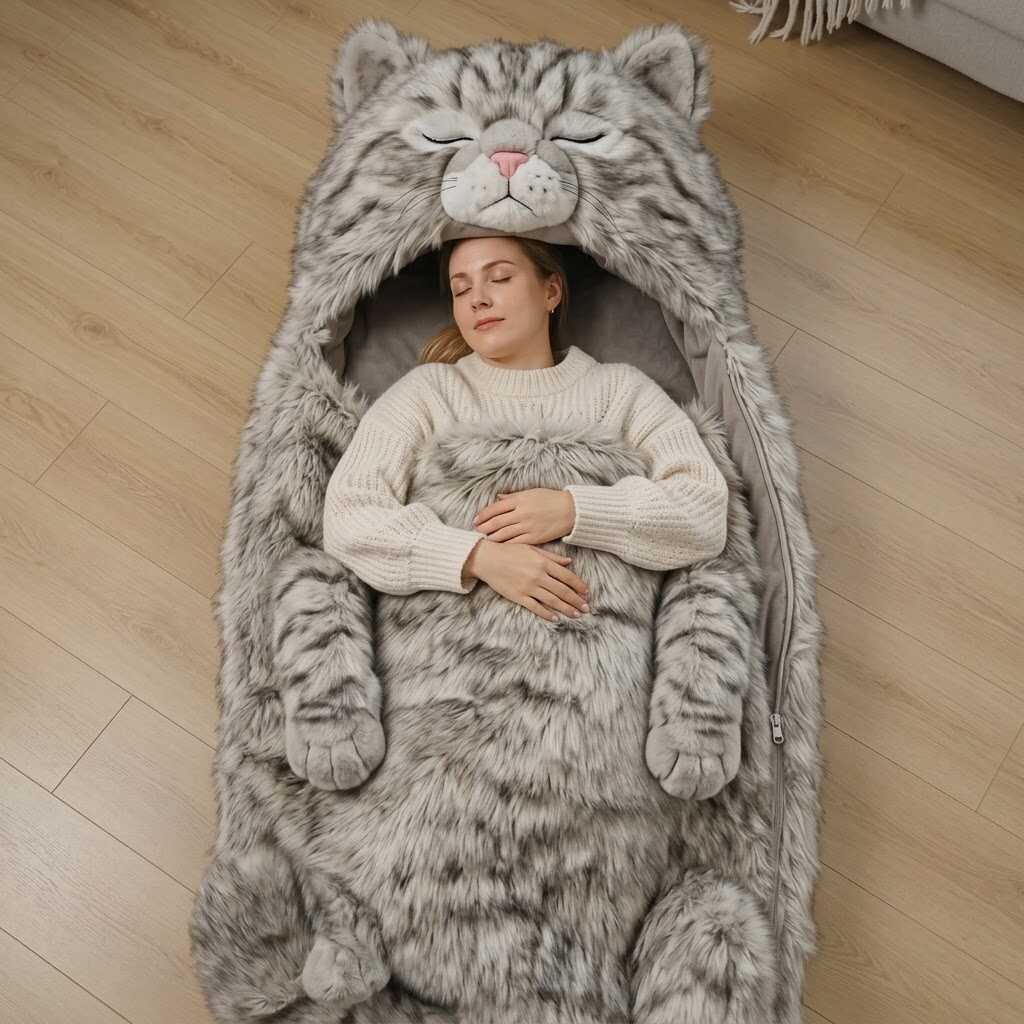
One of the more interesting parts of the LUXARTNET design story is how much of the early material testing echoed DIY upholstery techniques before scaling into full manufacturing. Small-batch prototypes were literally hand-sewn and hand-stuffed, using techniques familiar to anyone who has ever reupholstered a chair or sewn a floor cushion at home — piping along the seams, box-stitching to prevent filling migration, and hidden zipper access for washable covers.
Once a shape was validated by hand, the process moved to industrial pattern-cutting, where flat fabric panels are cut using shape templates derived directly from the original prototype’s paper pattern. This hybrid approach — starting with tactile, DIY-style prototyping and only later translating into repeatable manufacturing — is fairly unusual in mass-market pet accessories, where many products go straight from a sketch to a factory mold without any hand-built intermediate stage.
Fabric selection followed a similar logic. Rather than defaulting to a single “plush” material, the design team tested multiple textile weights and textures against actual paw-kneading behavior, since cats often knead a surface before lying down. Fabrics that pilled quickly or snagged under claws were eliminated early, regardless of how soft they felt initially. What remained were tightly woven, low-pile textiles that could withstand repetitive kneading without degrading — a detail that matters far more in long-term comfort than initial hand-feel.
Engineering the “Nesting” Effect
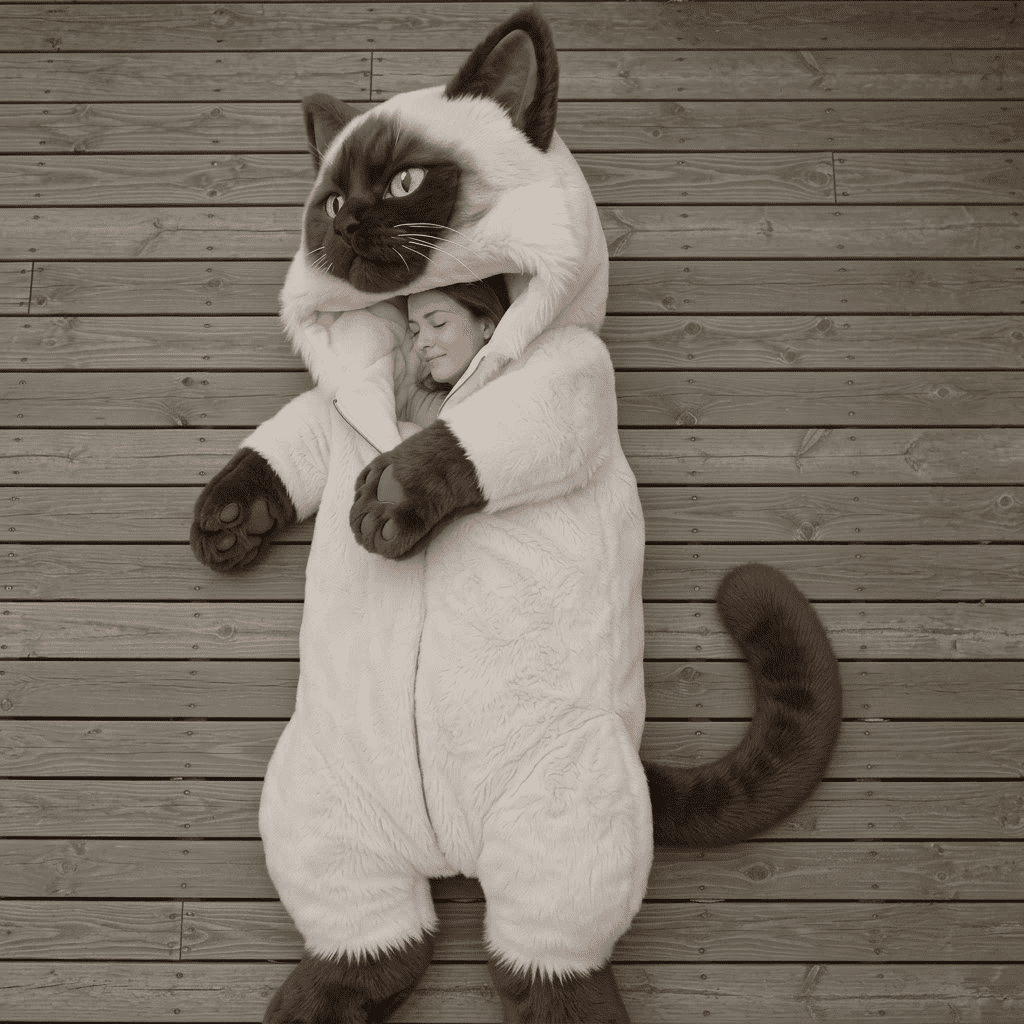
A recurring theme across Luxartnet’s internal design notes (as described by people involved in the prototyping phase) is something they call the NESTING effect — the psychological and physical sense of being surrounded rather than simply supported. Achieving this required more than shaping foam; it involved calculating the height and firmness gradient of the raised edges relative to the recessed center.
Too high an edge, and smaller cats struggle to see over it, which can actually increase anxiety rather than reduce it. Too low, and the enclosed feeling disappears entirely. Through repeated behavioral observation — essentially informal comfort trials where prototype beds were placed in multi-cat households and monitored for usage patterns — the team converged on an edge height calibrated to work across a range of breeds and body sizes, rather than optimizing for one specific cat archetype.
Manufacturing at Scale Without Losing the Hand-Built Feel
Scaling a design like this without flattening its character is genuinely difficult. Mass production tends to smooth out irregularities, but irregularity is part of what makes the cat-shaped form feel organic rather than geometric. To preserve this, the manufacturing process retains certain hand-finishing steps even at volume — particularly around the seam where the “head” and “tail” sections meet the main body, areas where machine stitching alone tends to create stiff, unnatural creases.
Quality control also plays a bigger role than you’d expect for a soft-goods product. Batches are checked not just for stitching integrity but for shape consistency — making sure the recessed sleeping area maintains its intended depth across a full production run, since foam density can vary slightly between batches if it isn’t monitored closely.
A Design Process Rooted in Observation, Not Assumption
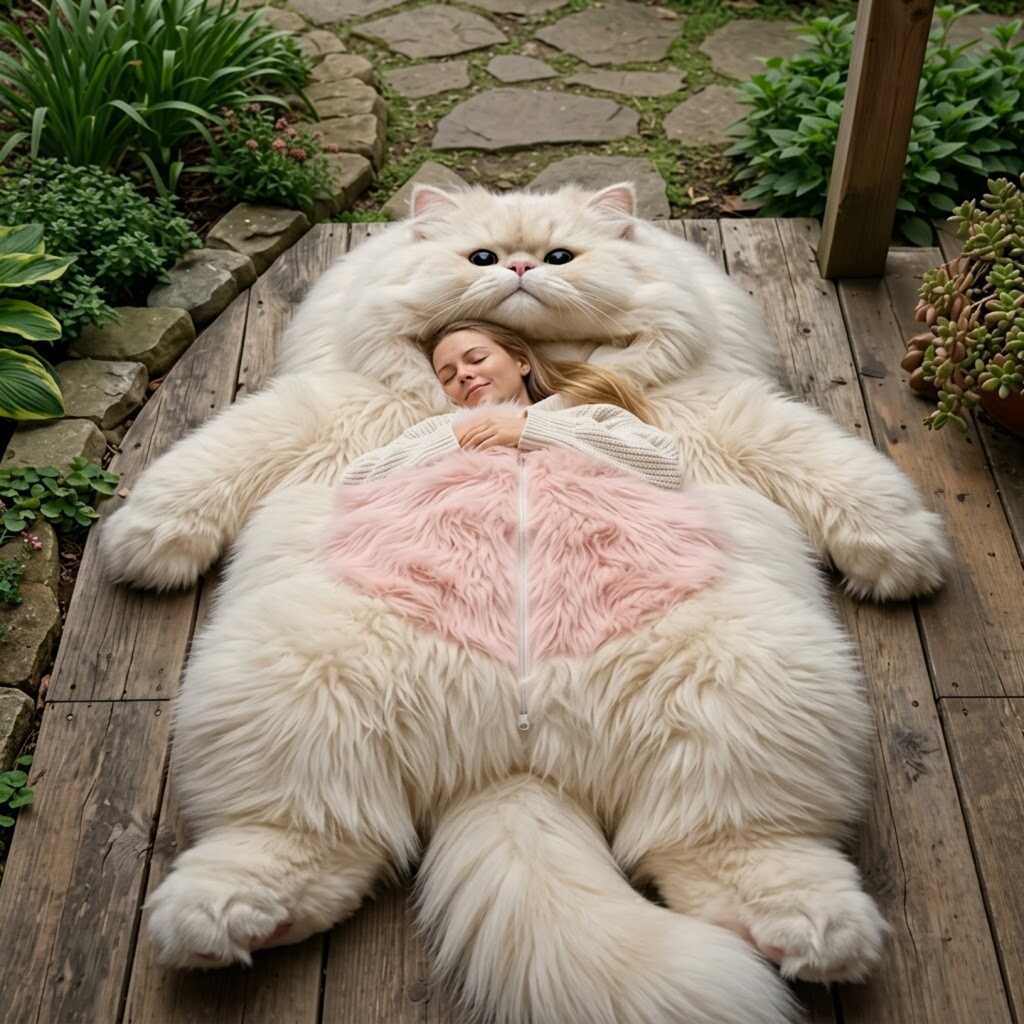
What stands out most in the development story behind these beds isn’t a particular material or manufacturing trick — it’s the underlying method. Instead of designing what looked comfortable to a human eye, the process repeatedly circled back to how cats actually behave: how they curl, knead, press against edges, and seek partial enclosure. Every structural decision, from the layered foam core to the raised silhouette edges, traces back to that observational starting point rather than a purely aesthetic one.
Conclusion
The design philosophy behind LUXARTNET CAT SHAPED SLEEPING BEDS is ultimately a story about translating animal behavior into physical form — bridging hand-built DIY prototyping with the precision demands of industrial manufacturing. From foam-density testing to hand-sewn early samples to calibrated edge heights, every stage of the process reflects a deeper question: what does comfort actually mean from a cat’s point of view, not a human one? That question, more than any single material or shape, is what continues to shape how these beds are designed, refined, and built.