
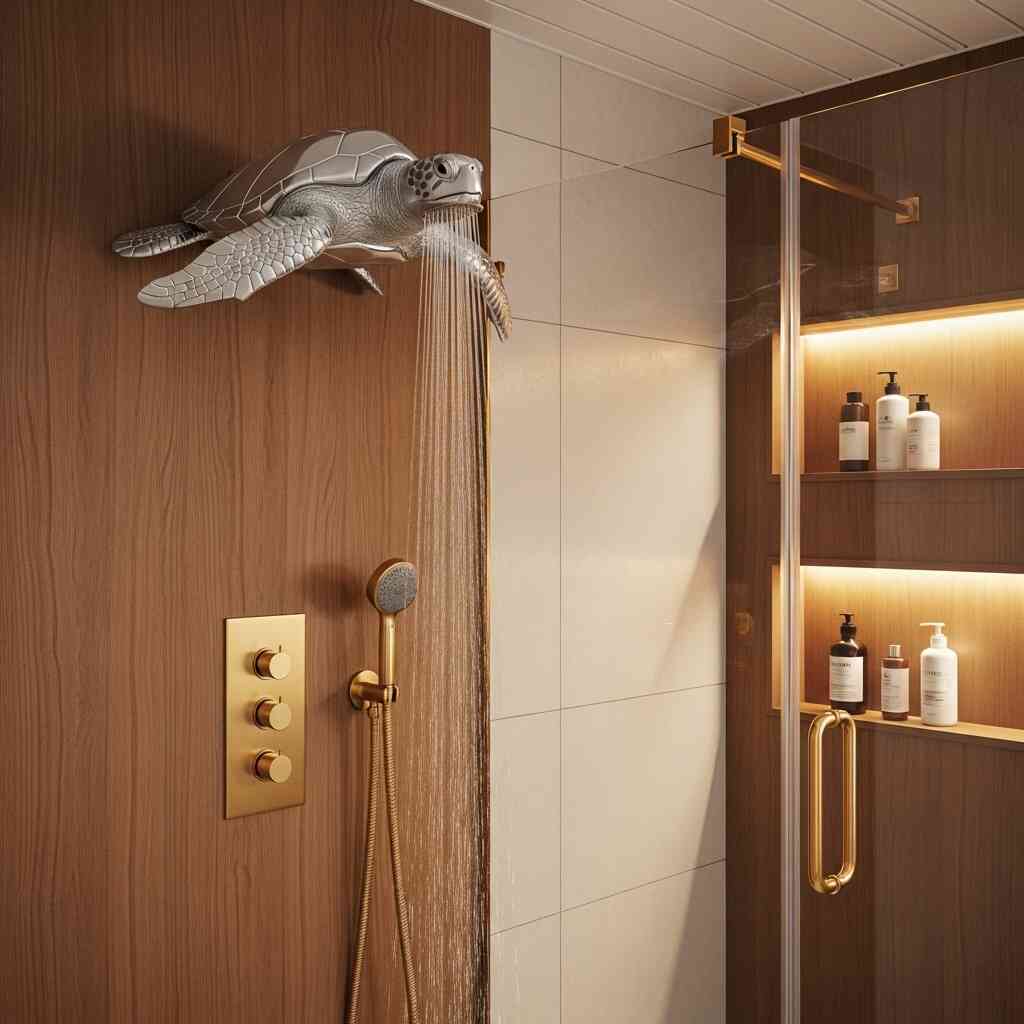
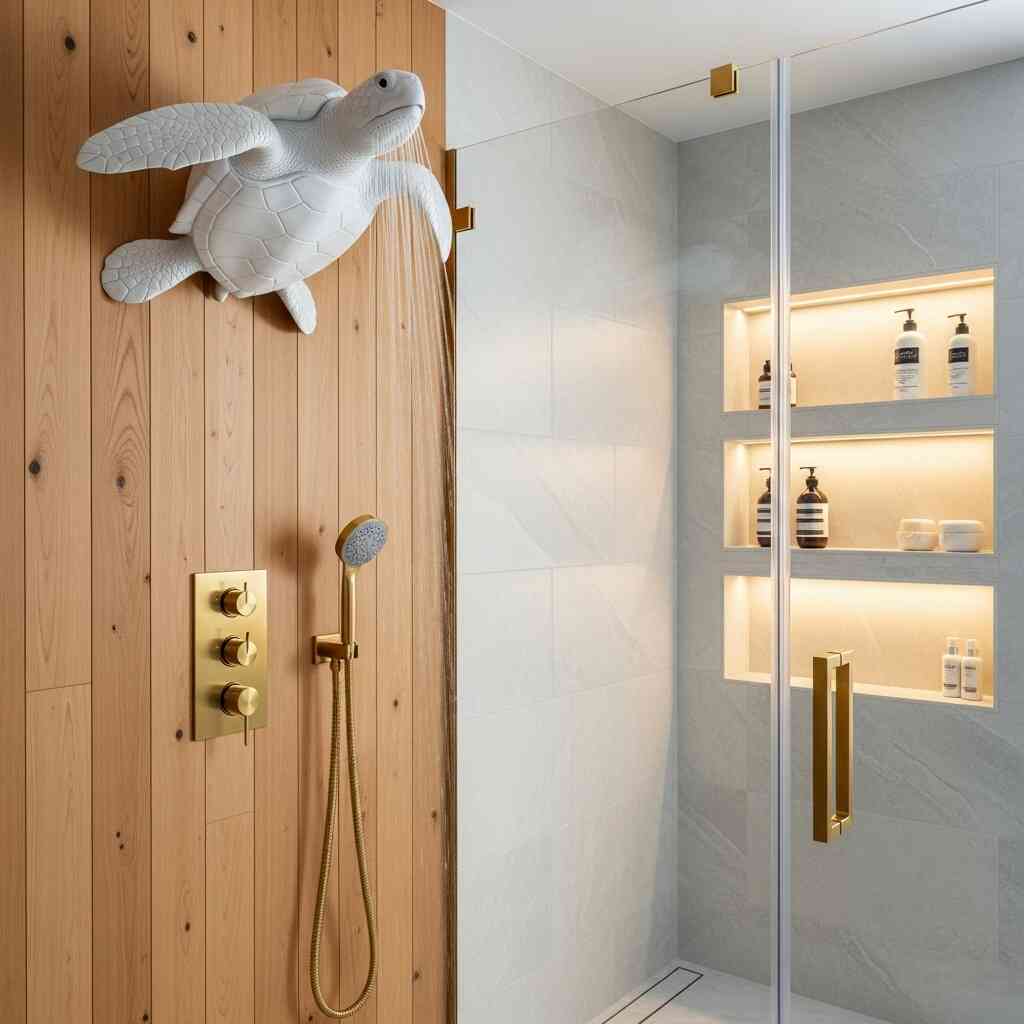
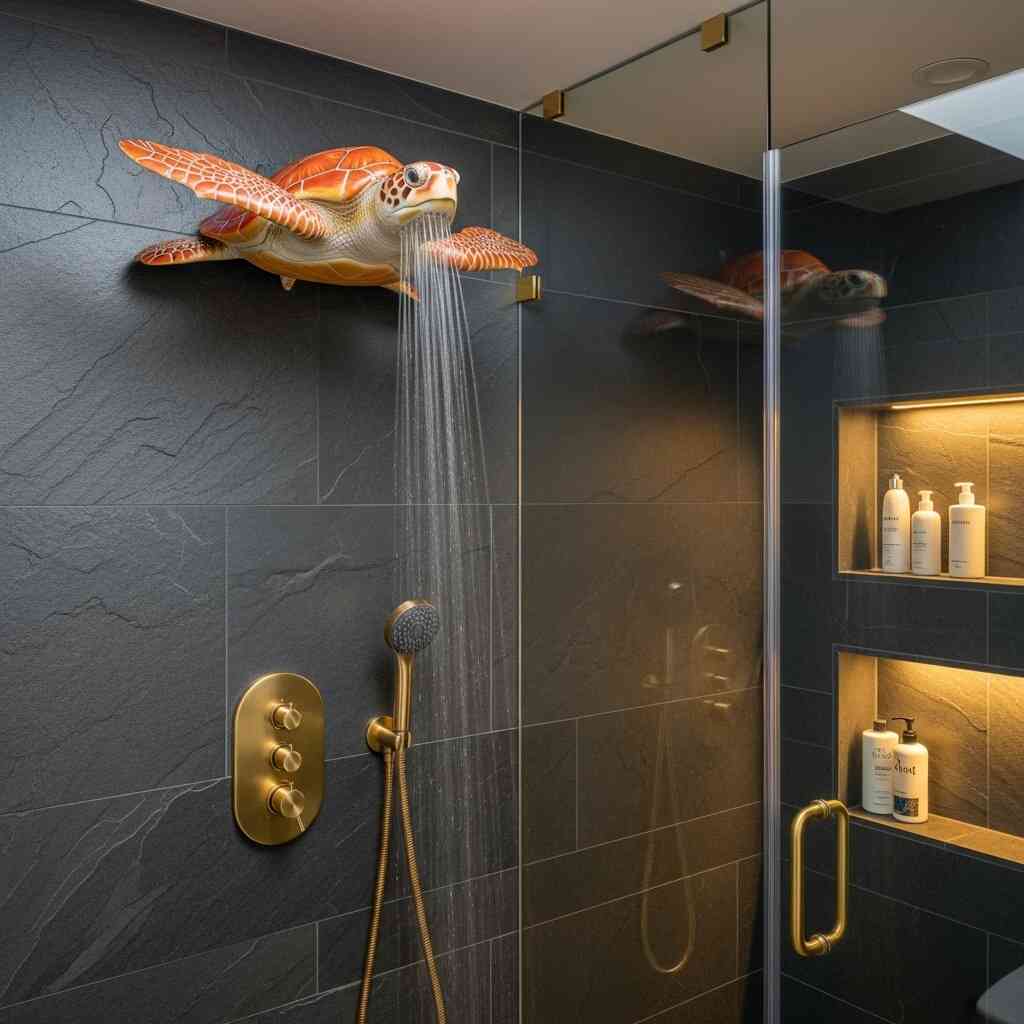
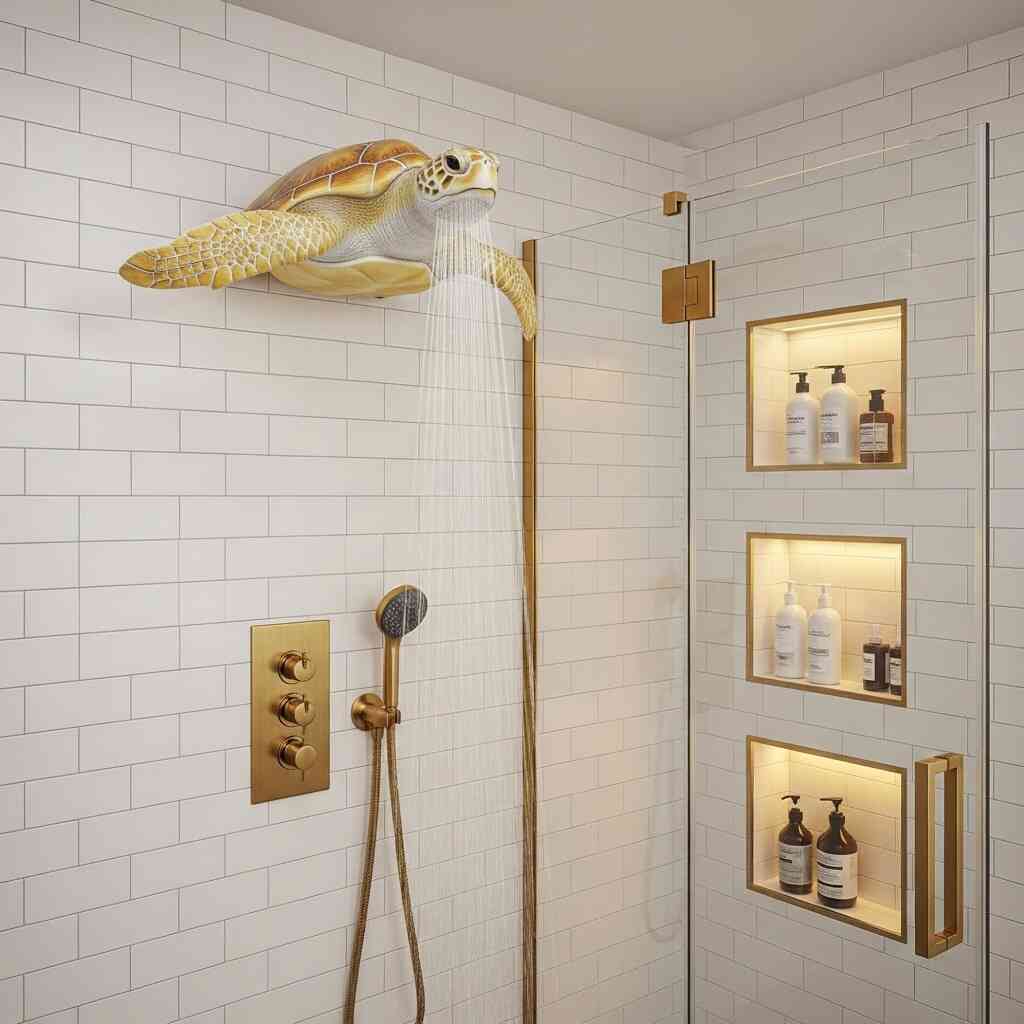
Imagine stepping into your bathroom, turning on the water, and instead of the usual stream of droplets, a gentle cascade flows from the shell of a serene sea turtle perched atop your showerhead. The water spirals outward like a natural spring emerging from coral reefs, and for a moment, you’re not just bathing—you’re immersed in a quiet underwater reverie. This isn’t a scene from a tropical resort or a futuristic spa; it’s happening in homes around the world, thanks to the rising popularity of Turtle Shower Heads. These whimsical fixtures are more than just a design trend—they represent a cultural shift in how we perceive everyday routines, transforming the mundane act of showering into a sensory experience rooted in nature, mindfulness, and playful design.
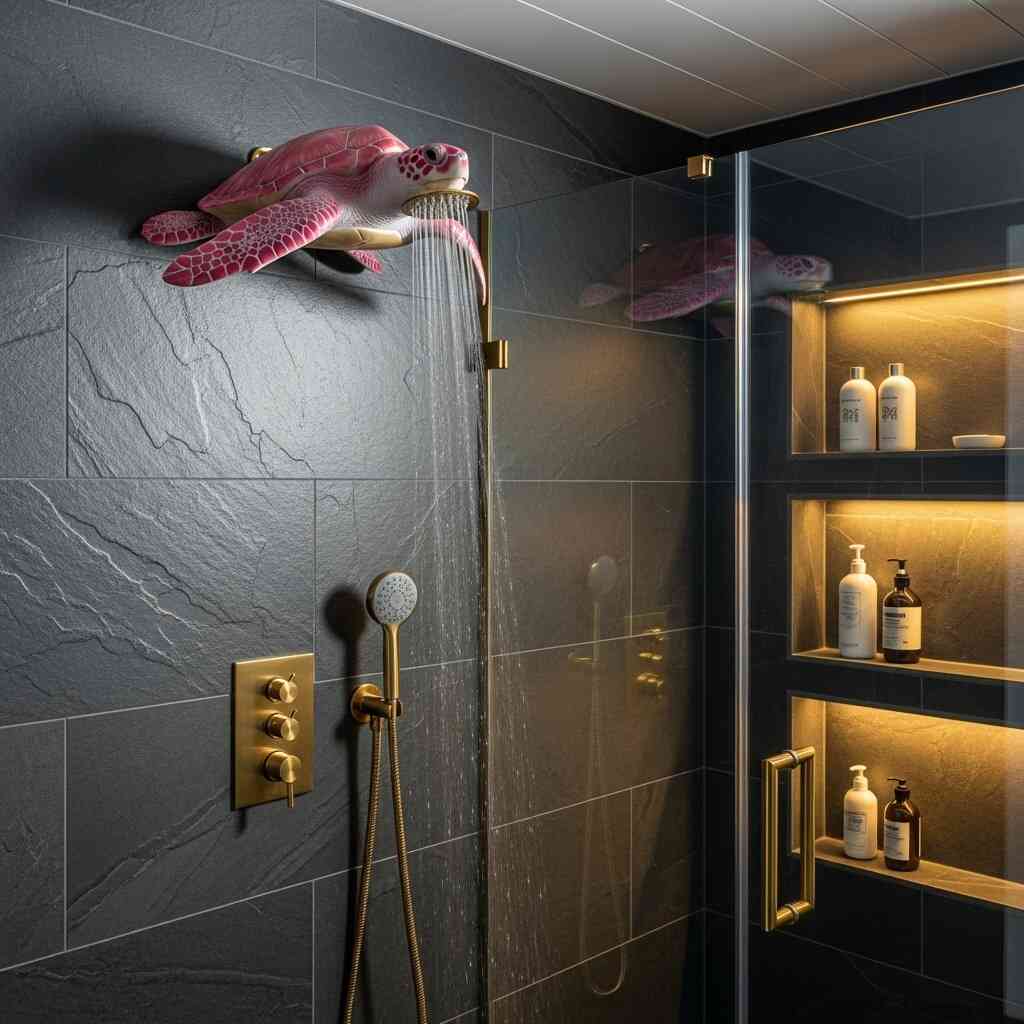
The concept of a Turtle Shower Head might sound like a novelty at first glance—something quirky, perhaps even humorous. But beneath its charming exterior lies a deeper narrative about our evolving relationship with nature, interior design, and the human desire to infuse ordinary moments with meaning. As urban life grows increasingly fast-paced and disconnected from the natural world, people are seeking subtle ways to reconnect. Turtle Shower Heads have emerged as a symbol of that reconnection—a small but powerful reminder of the ocean’s grace, the slow rhythm of sea creatures, and the beauty of ecological harmony.
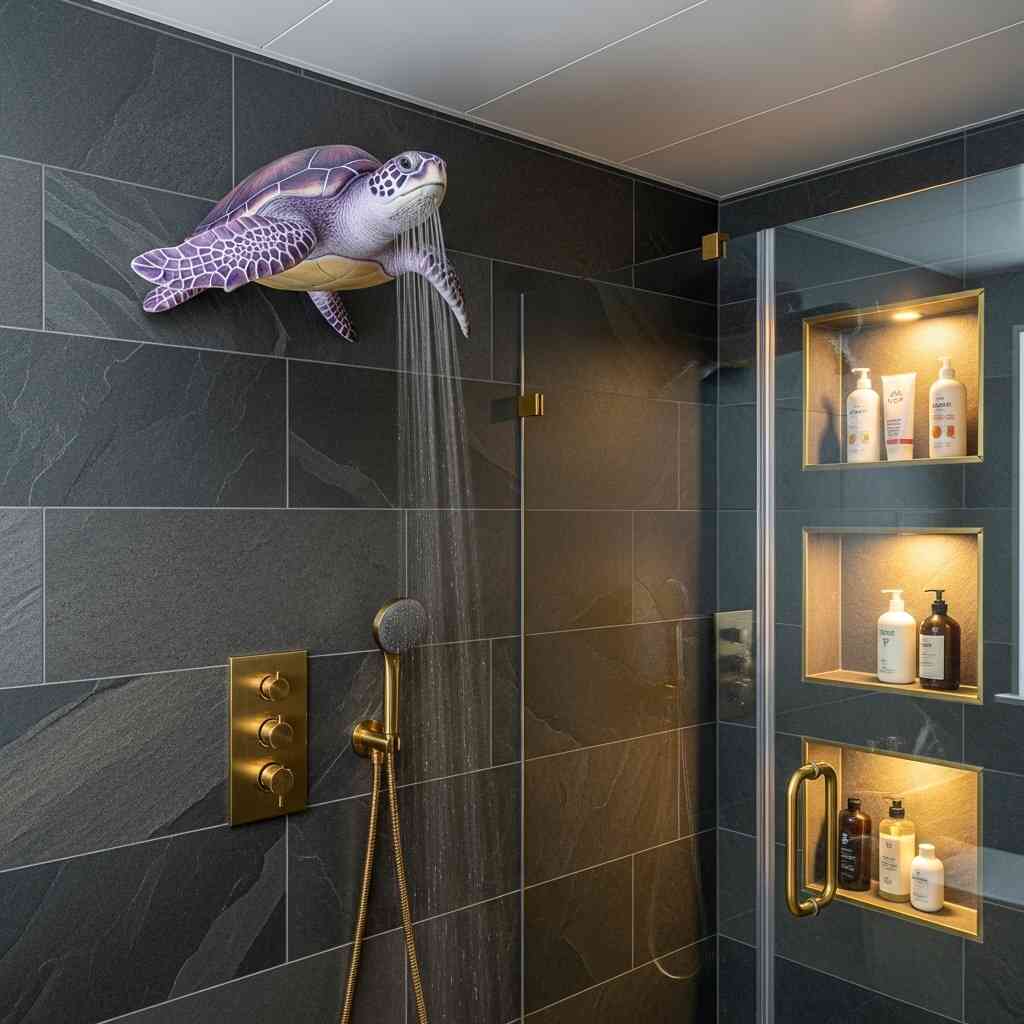
This article dives beneath the surface of this unique design phenomenon to explore how Turtle Shower Heads are not just altering bathroom aesthetics, but reshaping our emotional and psychological experiences of self-care. From their artistic origins to their symbolic resonance and their role in fostering environmental awareness, we’ll examine how this quirky innovation is making waves far beyond the shower stall.
The Art and Symbolism Behind Turtle Shower Heads
At the heart of the Turtle Shower Head phenomenon is a fusion of artistry, mythology, and environmental consciousness. The sea turtle, long revered in cultures across the globe, serves as a powerful symbol. In many Indigenous traditions, turtles represent longevity, resilience, and the grounding force of Mother Earth. In Hawaiian culture, the honu (green sea turtle) is considered a guardian spirit, a navigator between worlds, and a bringer of good fortune. In Chinese philosophy, the turtle is one of the four celestial animals, symbolizing wisdom, protection, and the balance of yin and yang.
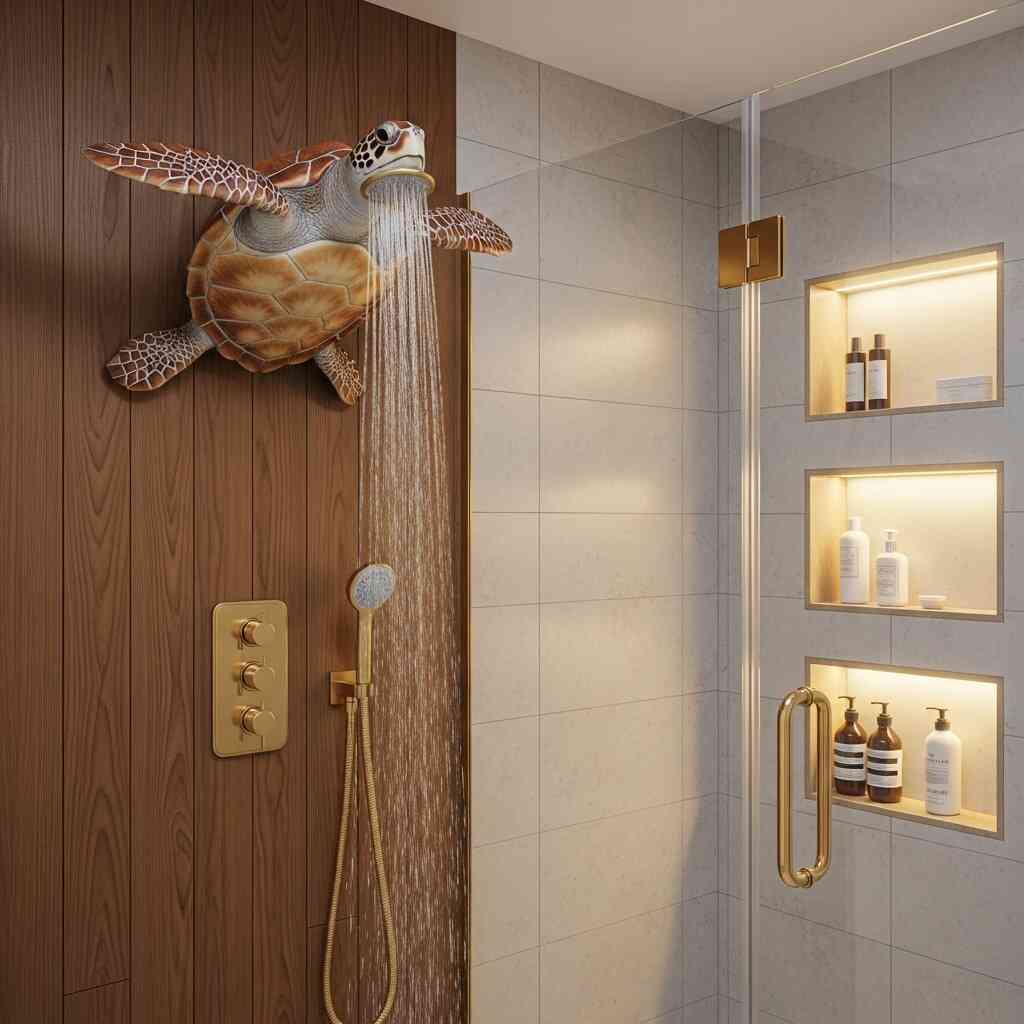
When these symbolic qualities are translated into the form of a showerhead, the result is more than functional—it becomes ritualistic. The turtle’s shell becomes the source of water, the life-giving element, creating a poetic metaphor: just as the turtle carries its home on its back, so too does this design carry the essence of nature into the most private corners of our lives. The gentle flow of water from beneath the shell mimics the way rain falls from clouds or springs bubble up from the earth—natural, unhurried, and life-sustaining.
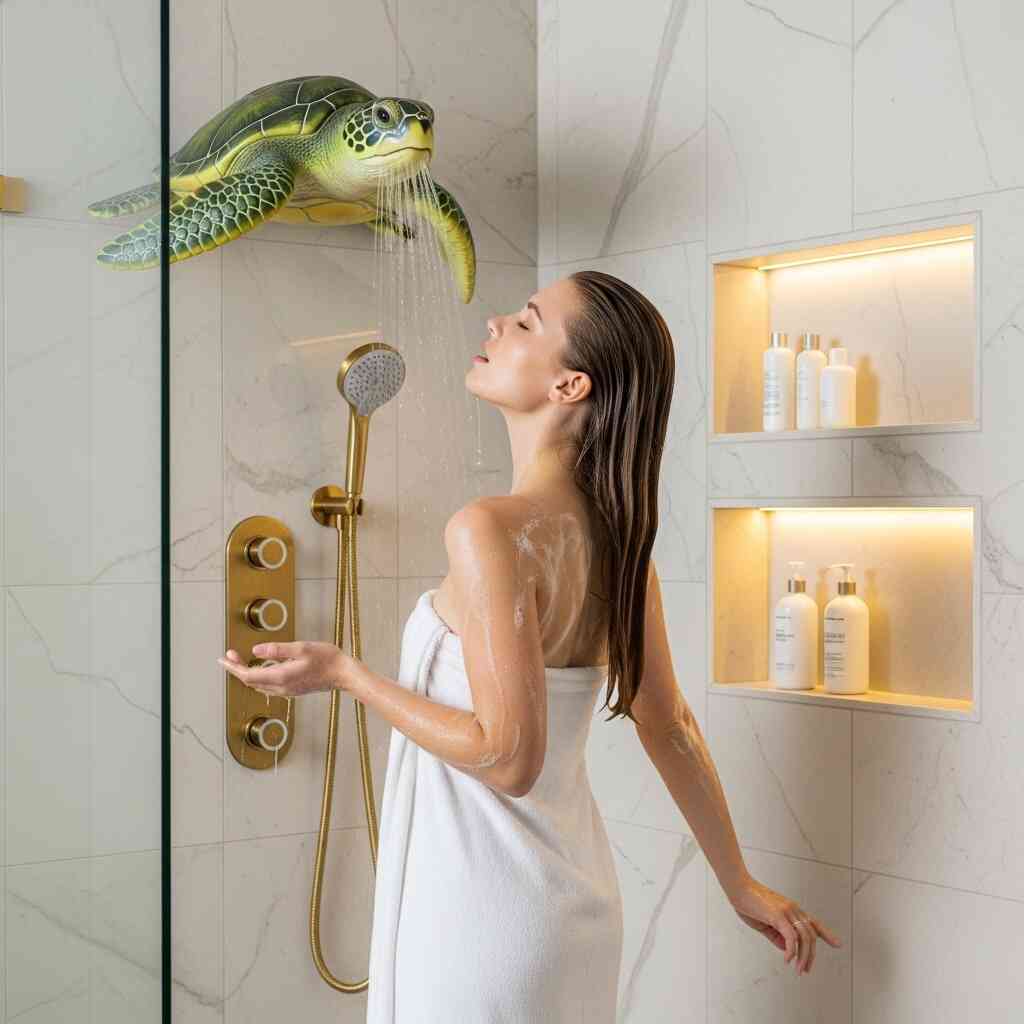
Designers behind Turtle Shower Heads often emphasize organic shapes and textures. The carapace (top shell) is sculpted with attention to anatomical detail—hexagonal scutes, subtle ridges, and a slightly weathered finish that suggests time spent in ocean currents. Some versions incorporate aquatic motifs like swirling waves, coral patterns, or even tiny fish etched into the metal. The materials used—often brushed bronze, matte stone resin, or hand-finished ceramics—further enhance the natural aesthetic, making the fixture feel less like a manufactured appliance and more like a found object from the sea.
But beyond the visual appeal, there’s a psychological impact. Entering a space where water flows from a creature associated with peace and ancient wisdom can shift one’s mindset. The shower, typically a utilitarian space, becomes a sanctuary. The slow, diffused spray pattern often associated with Turtle Shower Heads encourages users to linger, to breathe, to be present. It’s a design that doesn’t just deliver water—it delivers an experience.
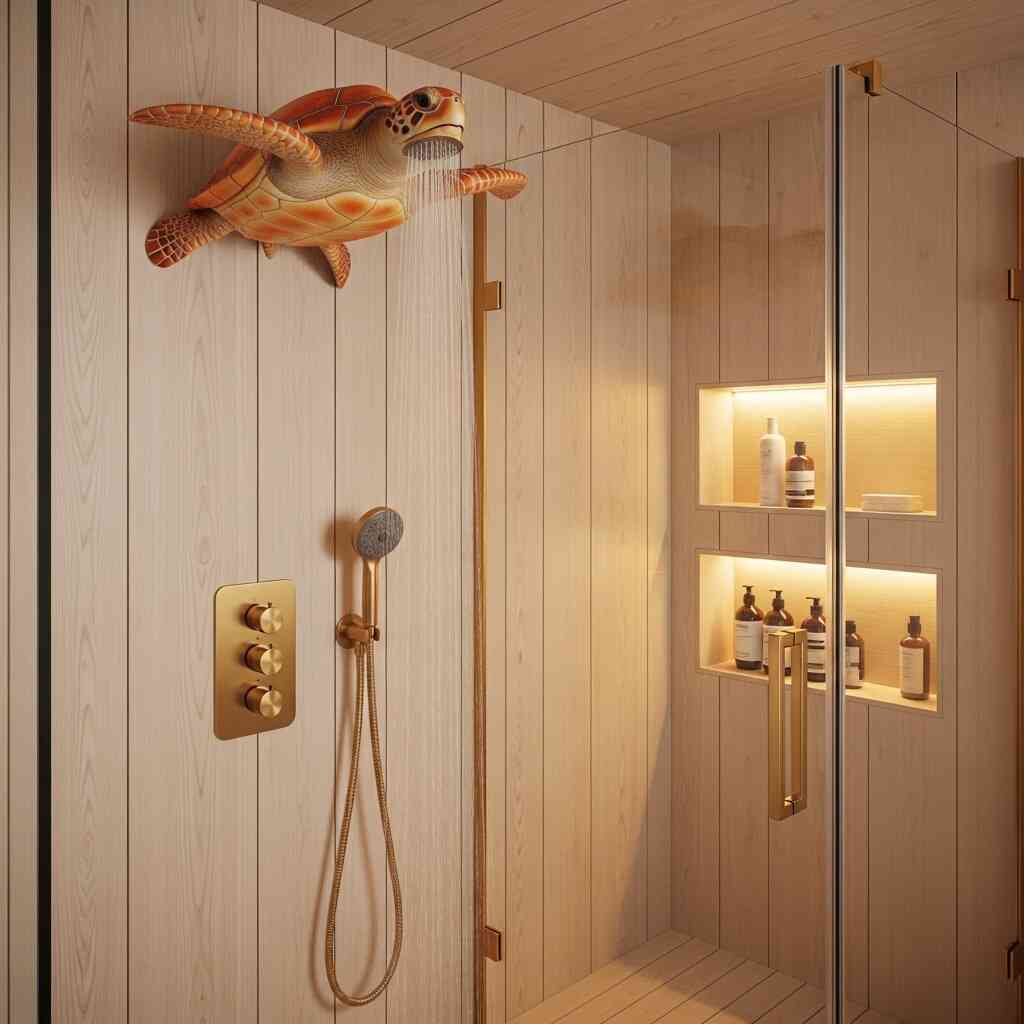
This artistic integration of nature into domestic spaces reflects a broader movement in contemporary design known as biophilic design—the practice of connecting people more closely to nature through architectural and interior elements. Studies have shown that exposure to natural forms, even in symbolic or representational ways, can reduce stress, improve mood, and enhance cognitive function. A Turtle Shower Head, therefore, is not merely decorative; it functions as a biophilic intervention, bringing the calming influence of the ocean into the daily routine.
Moreover, the choice of the turtle as a central motif is deliberate. Unlike more aggressive or predatory marine animals, the turtle is gentle, slow-moving, and non-threatening. It embodies patience and perseverance—qualities that stand in stark contrast to the hurried pace of modern life. In a world where efficiency is prized above all, the Turtle Shower Head quietly resists the notion that every moment must be optimized. Instead, it invites slowness, contemplation, and a reconnection with natural rhythms.
The Cultural Ripple: How Turtle Shower Heads Are Changing Bathroom Experiences
The bathroom has long been one of the most overlooked spaces in home design—functional, yes, but rarely celebrated. Traditionally, it’s a place of quick transitions: brush, rinse, dry, exit. But over the past decade, there’s been a quiet revolution in how people view this intimate room. No longer just a utility zone, the bathroom is increasingly seen as a personal retreat, a space for mindfulness, self-care, and even spiritual reflection. It’s in this context that Turtle Shower Heads have found their cultural footing.
In wellness circles, the shower is being reimagined as a site of sensory renewal. Aromatherapy, ambient lighting, and sound systems are now common enhancements. But Turtle Shower Heads introduce something different: a narrative element. They don’t just alter the environment—they tell a story. Each time someone steps into a shower with a turtle-shaped fixture, they’re invited into a micro-mythology. The water isn’t just coming from a pipe; it’s flowing from the back of a creature that has journeyed across oceans, survived storms, and carried ancient wisdom on its shell.
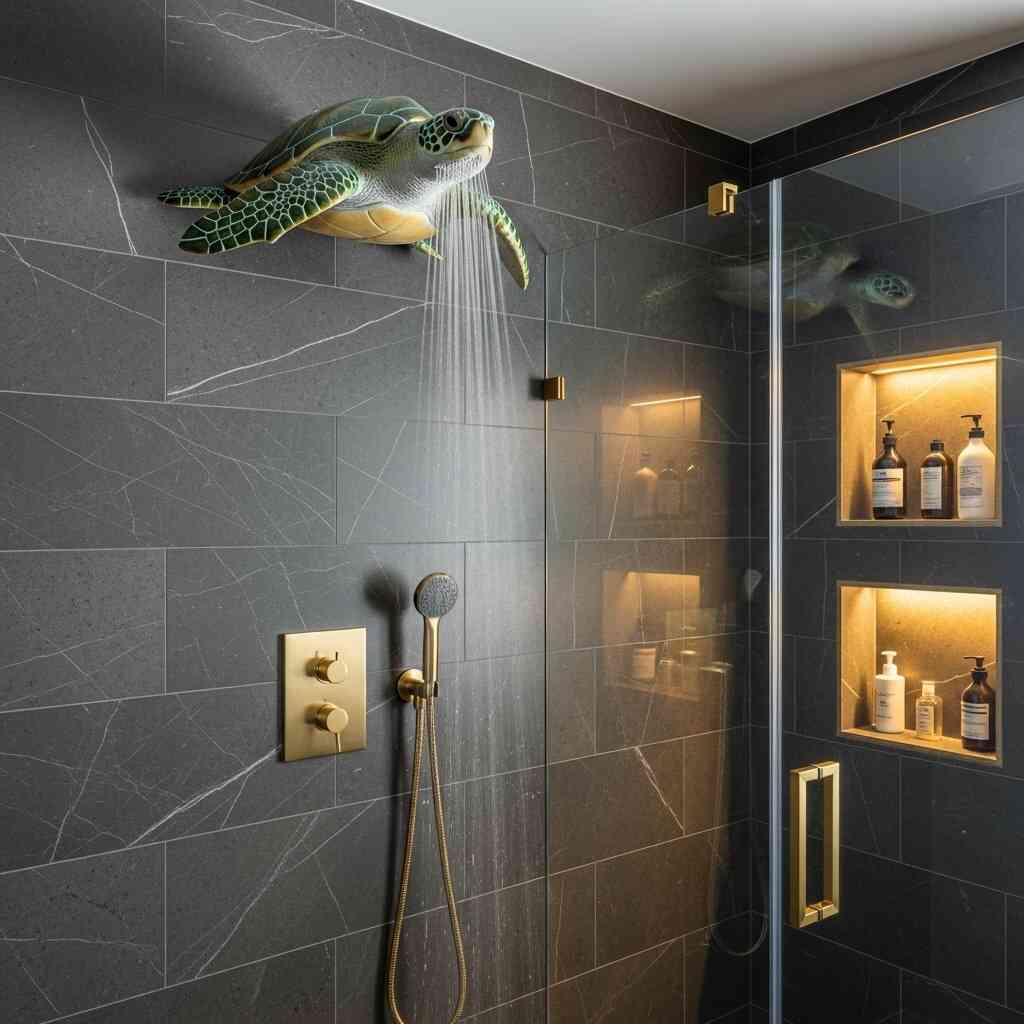
This narrative dimension transforms the shower from a chore into a ritual. It’s not unlike the way a Japanese tea ceremony turns the act of drinking into a meditative practice. The Turtle Shower Head becomes a focal point—a visual anchor that encourages presence. Users report feeling more relaxed, more grounded, and more connected to nature during and after their showers. Some describe a sense of playfulness, recalling childhood fascination with sea creatures or beachcombing adventures. Others speak of a deeper emotional resonance, feeling as though they’re “bathing under the protection of the ocean.”
Interestingly, the design also sparks conversation. Guests who encounter a Turtle Shower Head often pause, smile, and ask about it. It becomes a talking point, a shared moment of wonder. In an age where digital interactions dominate, such organic, in-person exchanges are increasingly rare. The Turtle Shower Head, in its own quiet way, fosters human connection—reminding us that beauty and curiosity still have a place in our daily lives.
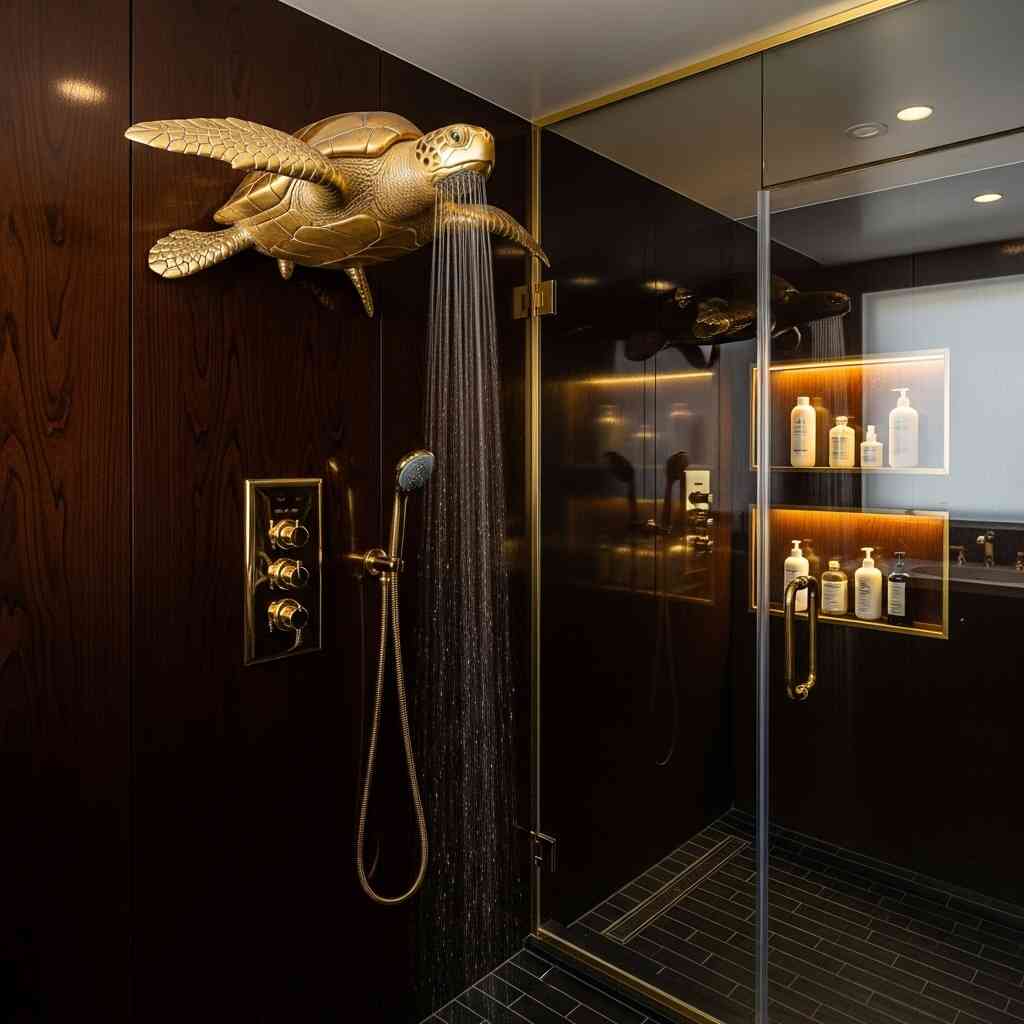
The cultural impact extends beyond individual homes. Architects and interior designers are beginning to incorporate Turtle Shower Heads into wellness centers, eco-lodges, and retreat spaces. In these environments, the fixture aligns with broader themes of sustainability, tranquility, and harmony with nature. It’s not uncommon to find them in spa bathrooms that use natural materials, ocean-inspired color palettes, and water-saving technologies. The turtle, in this context, becomes part of a holistic design language—one that speaks to environmental stewardship and emotional well-being.
Furthermore, the rise of Turtle Shower Heads reflects a growing desire for meaningful design—objects that do more than serve a function. People no longer want appliances that are merely efficient; they want items that reflect their values, spark joy, and tell a story. The turtle, as a symbol of endurance and ecological balance, resonates with those who care about the planet’s future. While the fixture itself doesn’t save sea turtles, its presence serves as a gentle reminder of the fragility of marine ecosystems and the importance of coexistence.
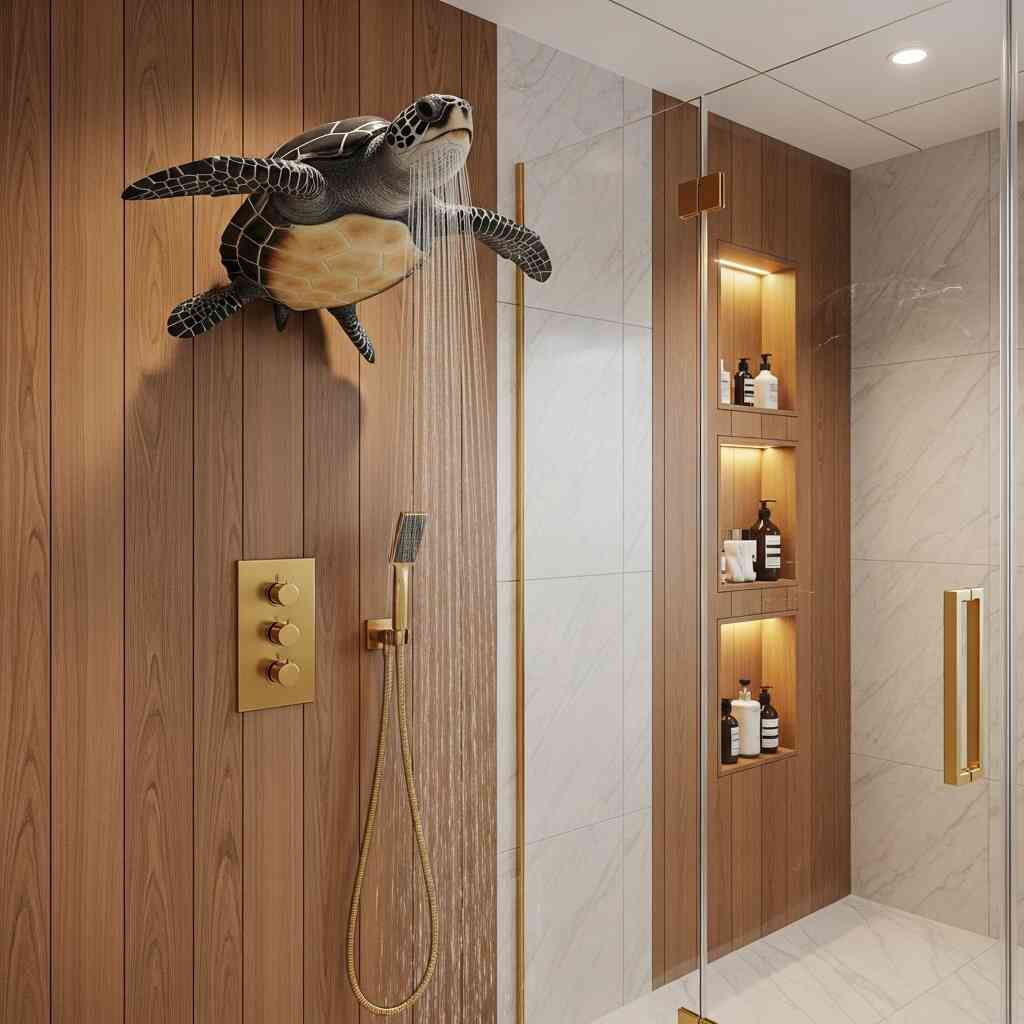
This cultural ripple is also evident in the way people personalize their spaces. Some owners place seashells around the base of the shower, others play ocean sounds during their showers, and a few even incorporate turtle-themed towels or artwork to create a cohesive aquatic atmosphere. The Turtle Shower Head becomes the centerpiece of a larger sensory ecosystem—one that nurtures both body and spirit.
It’s worth noting that this trend isn’t limited to any single demographic. From young urban professionals seeking mindfulness tools to retirees creating peaceful retreats, the appeal of the Turtle Shower Head is broad and inclusive. It transcends age, geography, and lifestyle, united by a shared longing for simplicity, beauty, and connection.
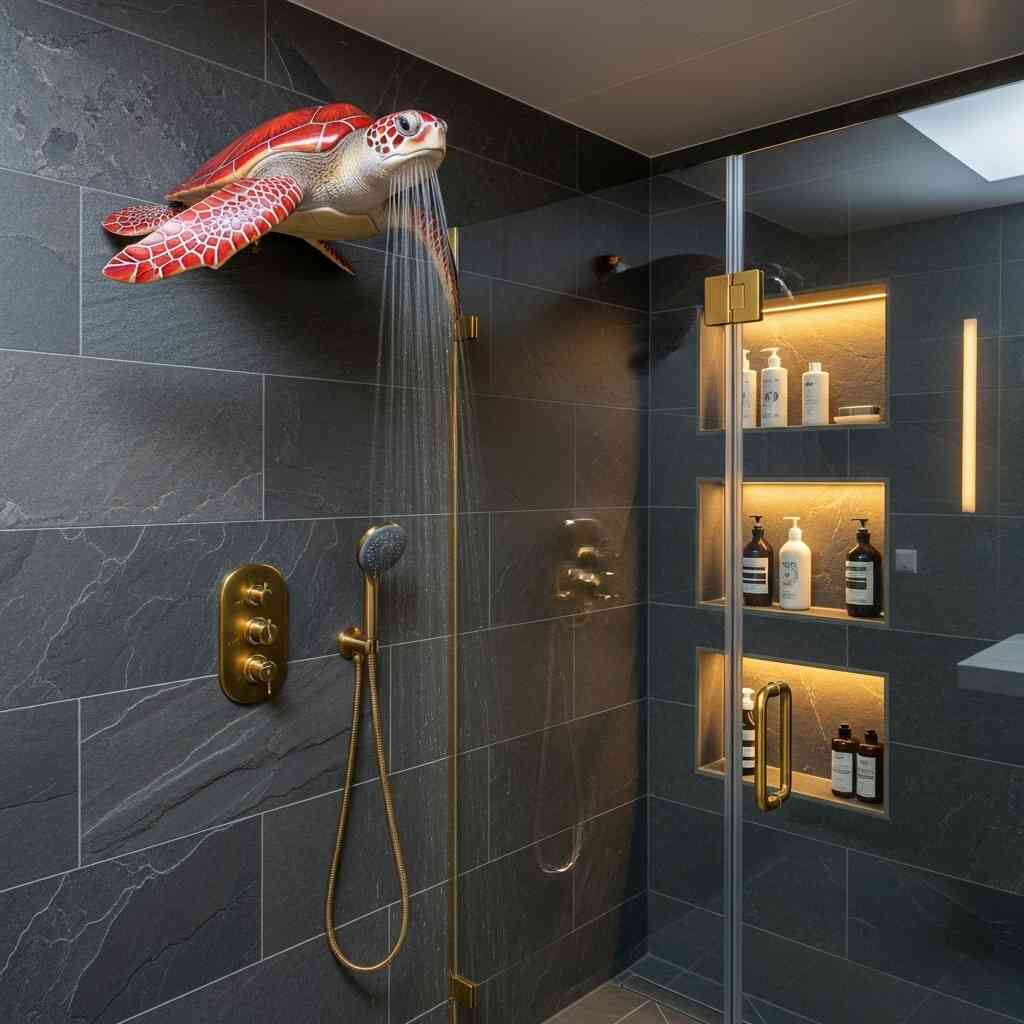
Environmental Consciousness and the Deeper Currents of the Trend
While Turtle Shower Heads are undeniably charming, their significance goes beyond aesthetics and emotional well-being. They are part of a larger conversation about humanity’s relationship with the natural world—particularly the oceans. Sea turtles, despite their symbolic strength, are among the most vulnerable marine species. Climate change, plastic pollution, habitat destruction, and fishing bycatch have pushed several turtle populations to the brink of extinction. In this light, the popularity of Turtle Shower Heads takes on a poignant duality: they celebrate a creature that is simultaneously disappearing from our oceans.
This paradox has not gone unnoticed. Many who are drawn to Turtle Shower Heads express a deep concern for marine conservation. For them, the fixture is not just a decorative choice—it’s a statement of care, a daily reminder of the need to protect ocean life. The act of showering becomes a moment of reflection: as water flows from the turtle’s shell, users are prompted to think about water conservation, plastic use, and the broader ecological footprint of their lifestyles.
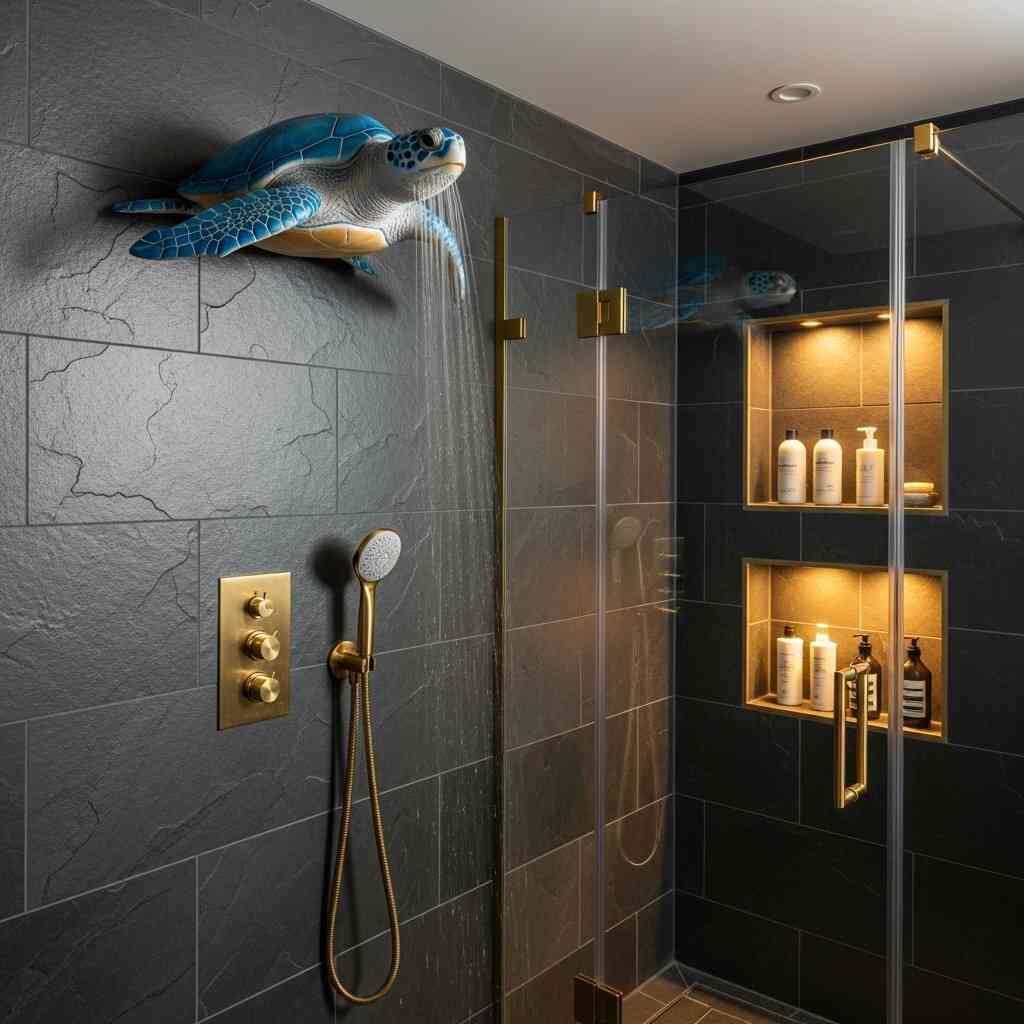
In some cases, the design has inspired behavioral changes. People report becoming more mindful of their water usage, turning off the tap while soaping up, or installing low-flow systems to complement the Turtle Shower Head. Others begin researching marine conservation efforts, volunteering for beach cleanups, or reducing single-use plastics. The turtle, once a distant symbol, becomes a personal ambassador for environmental awareness.
This subtle form of ecological storytelling is one of the most powerful aspects of the trend. Unlike overt activism or didactic messaging, the Turtle Shower Head works through gentle suggestion. It doesn’t preach; it invites. It doesn’t demand action; it inspires contemplation. And in doing so, it aligns with a growing movement in environmental communication that emphasizes emotional connection over fear-based appeals.
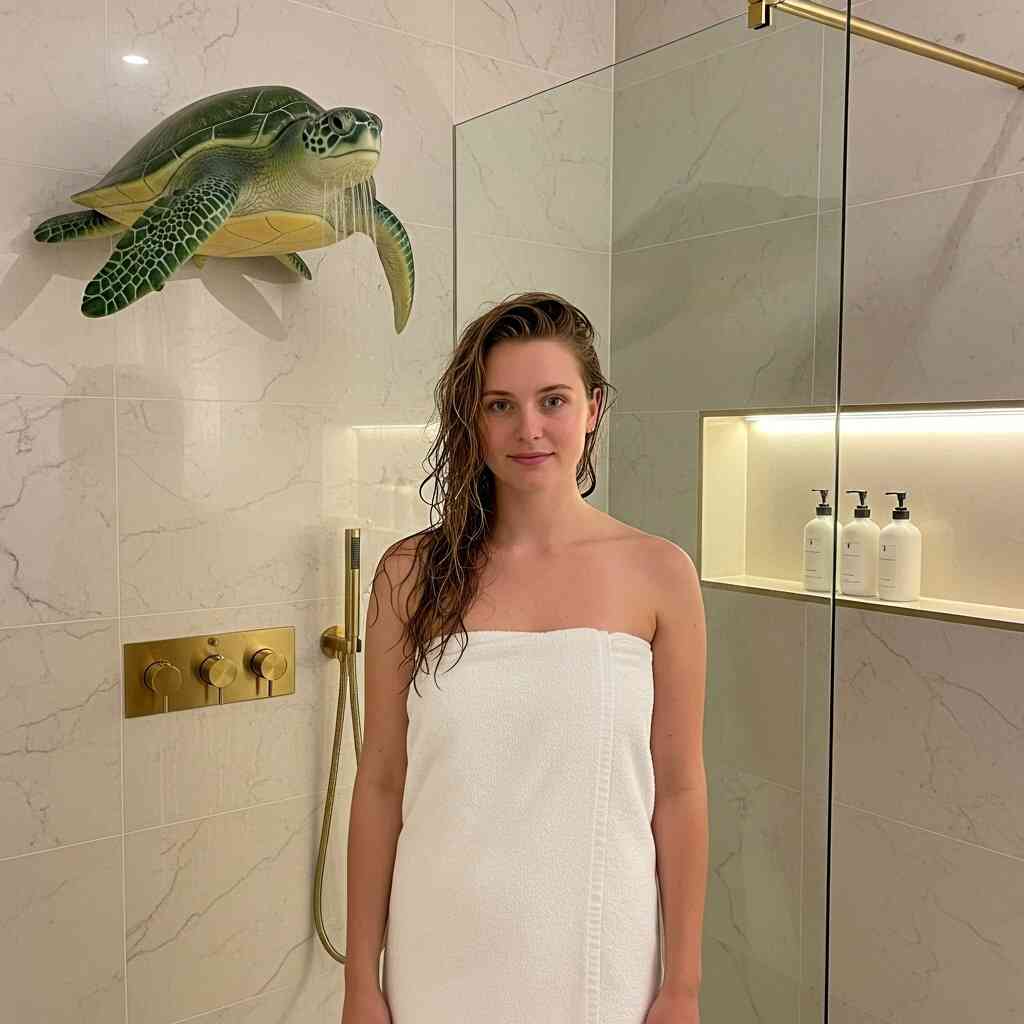
Designers and creators of these showerheads often collaborate with marine biologists or conservation organizations to ensure accuracy and respect in their representations. The goal is not to romanticize the turtle, but to honor it—its biology, its struggles, and its significance in the web of life. Some versions even incorporate educational elements, such as engraved facts about sea turtle migration or QR codes linking to conservation resources (though these are optional and not part of the fixture’s primary function).
The water itself becomes a metaphor. Just as the ocean connects all coasts, the water flowing from a Turtle Shower Head links the private act of bathing to the vast, interconnected systems of the planet. Every drop is a reminder of the hydrological cycle, of rivers feeding into seas, of rain returning to the earth. In this way, the shower transcends its physical boundaries, becoming a microcosm of ecological interdependence.
Moreover, the choice of materials in Turtle Shower Heads often reflects sustainable principles. Artisans may use recycled metals, non-toxic finishes, or locally sourced ceramics to minimize environmental impact. The emphasis is on craftsmanship and longevity—creating a piece that lasts for decades, not just seasons. This stands in contrast to disposable culture, reinforcing the turtle’s symbolic message of endurance and resilience.
Ultimately, the Turtle Shower Head trend reveals a quiet but growing shift in consciousness. People are no longer content with merely using nature—they want to honor it. They seek ways to live in harmony with the planet, even in small, everyday choices. By bringing the image of a sea turtle into the home, they are making a quiet pledge: to remember, to care, and to act with greater awareness.
Conclusion: More Than a Fixture—A Philosophy of Flow
The phenomenon of showering with a sea turtle may sound whimsical at first, but it carries profound implications. Turtle Shower Heads are not just bathroom accessories; they are vessels of meaning, artistry, and ecological reflection. They transform a routine act into a moment of connection—with nature, with oneself, and with the broader rhythms of the planet.
From their symbolic roots in ancient mythology to their role in modern wellness and environmental awareness, Turtle Shower Heads represent a confluence of ideas: beauty and function, playfulness and purpose, personal retreat and planetary responsibility. They challenge the notion that design must be either practical or decorative, showing that it can be both—and more.
In a world that often feels fragmented and fast-moving, the Turtle Shower Head offers a different pace. It invites slowness. It honors the quiet strength of a creature that has navigated oceans for millions of years. It reminds us that even in the most ordinary moments—like standing under a shower—we can choose to be present, to be mindful, to be part of something larger.
So the next time you step into a shower and see water cascading from the shell of a turtle, take a breath. Feel the warmth. Listen to the sound. Let yourself be carried, just for a moment, into the deep, slow currents of the sea. Because in that instant, you’re not just cleaning your body—you’re renewing your spirit, reconnecting with nature, and joining a quiet revolution that’s making waves, one shower at a time.