
For centuries, the ritual of tea has been a cornerstone of human connection. From ancient Chinese tea ceremonies to British afternoon traditions, the simple act of boiling water has carried with it a sense of warmth, pause, and presence. Yet, in the modern world, where appliances are often designed for efficiency over emotion, the electric kettle has quietly become a utilitarian afterthought—something to boil water quickly, then set aside. But what if an everyday object could do more than just heat water? What if it could stir the soul, spark imagination, and transform a mundane moment into something poetic?
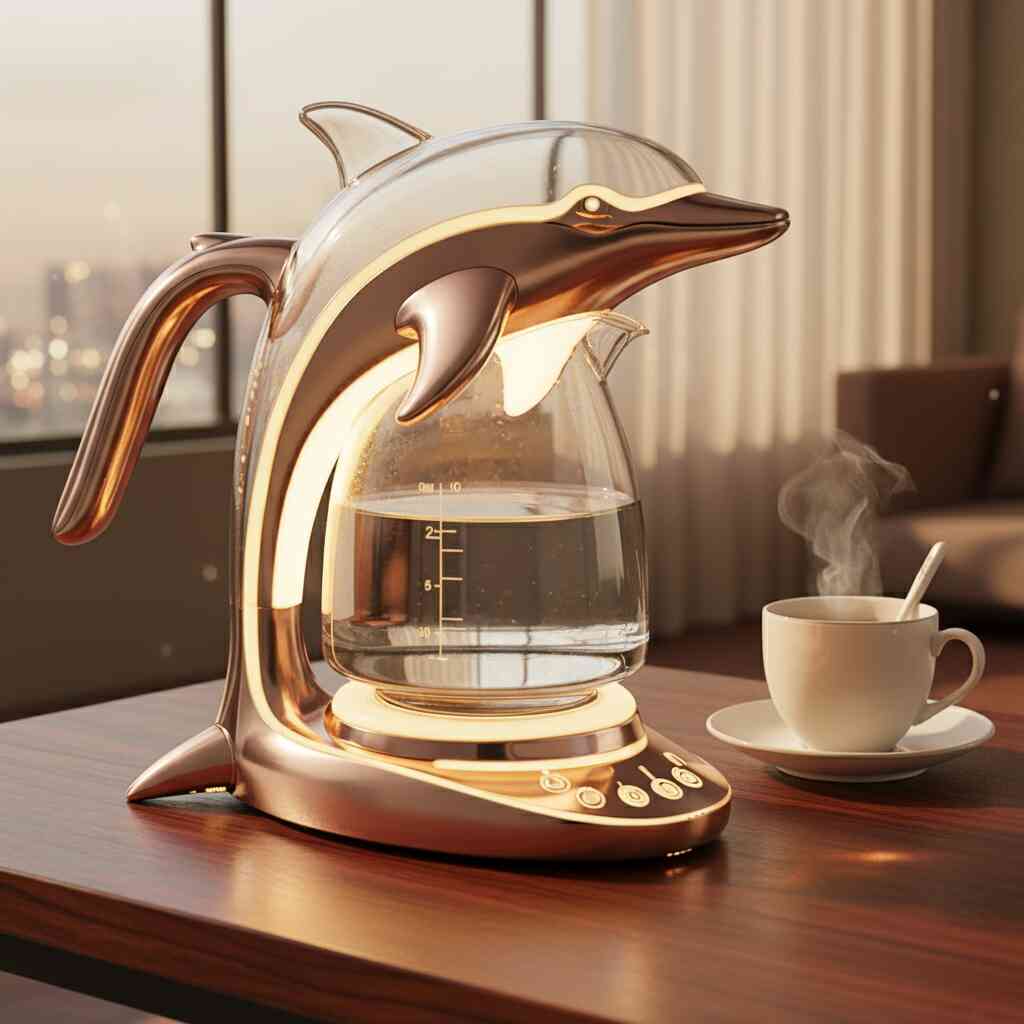
Enter the Dolphin Electric Kettle—a name that, at first glance, might seem whimsical, even playful. But behind its name lies a deeper truth: this is not merely a device for boiling water. It is a vessel of transformation, a bridge between function and fantasy, where the elegance of nature meets the rhythm of daily life. The dolphin, long revered as a symbol of intelligence, joy, and harmony, becomes more than a motif—it becomes a muse. And in its graceful form, tea time is no longer a chore, but a moment of magic.
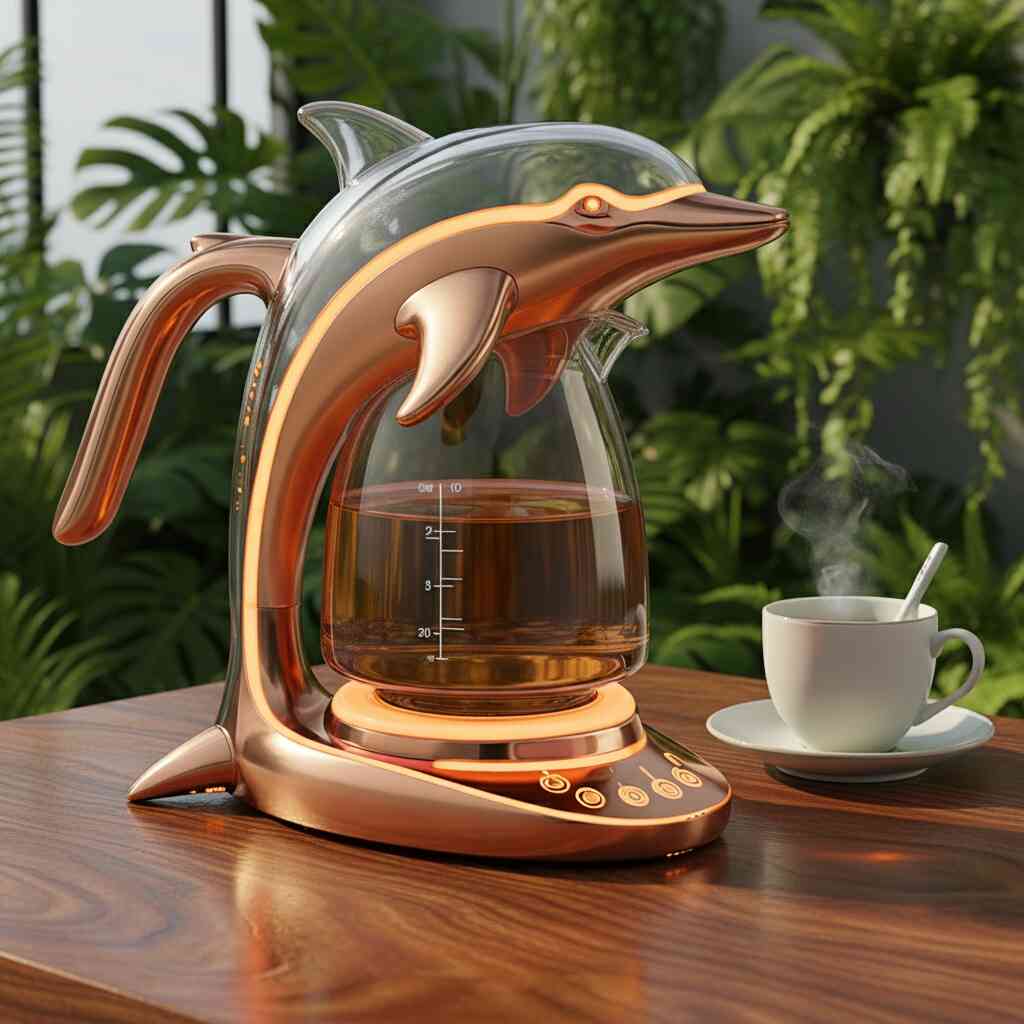
This article explores how a simple shift in design philosophy—the integration of the dolphin’s spirit into an everyday appliance—has redefined what it means to prepare a cup of tea. We will journey through the evolution of the electric kettle, the emotional resonance of design, and the quiet revolution that occurs when beauty and purpose coexist. The Dolphin Electric Kettle is not just a kitchen tool. It is a reminder that even the smallest moments can be infused with meaning, wonder, and grace.
The Evolution of the Electric Kettle: From Utility to Artistry
To understand the significance of the Dolphin Electric Kettle, we must first trace the journey of the electric kettle itself—from its humble beginnings as a functional necessity to its current potential as a canvas for emotional design.
The first electric kettle was patented in 1891 by Carpenter Electric, marking a turning point in domestic technology. No longer did households need to rely on stovetops or open flames; water could be heated with the press of a switch. Over the decades, improvements in safety, speed, and materials—such as the shift from metal to plastic and then to stainless steel—made the electric kettle a staple in homes across the world. It became faster, safer, and more efficient. But in the pursuit of optimization, something was quietly lost: the soul of the object.
For much of the 20th century, electric kettles were designed with one goal in mind: performance. Their shapes were angular, their surfaces plain, their colors limited to silver, black, or white. They were tools, not treasures. The experience of using them was transactional: fill, boil, pour, done. There was little room for delight, little invitation to pause and appreciate.
But as the 21st century unfolded, a quiet shift began to emerge. Designers and engineers started asking not just how an object works, but how it feels to use it. This philosophy—often called emotional design or human-centered design—emphasizes the importance of aesthetics, sensory experience, and psychological resonance. Objects were no longer judged solely by their function, but by the feelings they evoke.
It was within this cultural and design renaissance that the Dolphin Electric Kettle emerged—not as a gimmick, but as a natural evolution. By drawing inspiration from the dolphin, a creature universally associated with playfulness, intelligence, and fluidity, designers reimagined what a kettle could be. The result was not just a more beautiful appliance, but a more meaningful one.
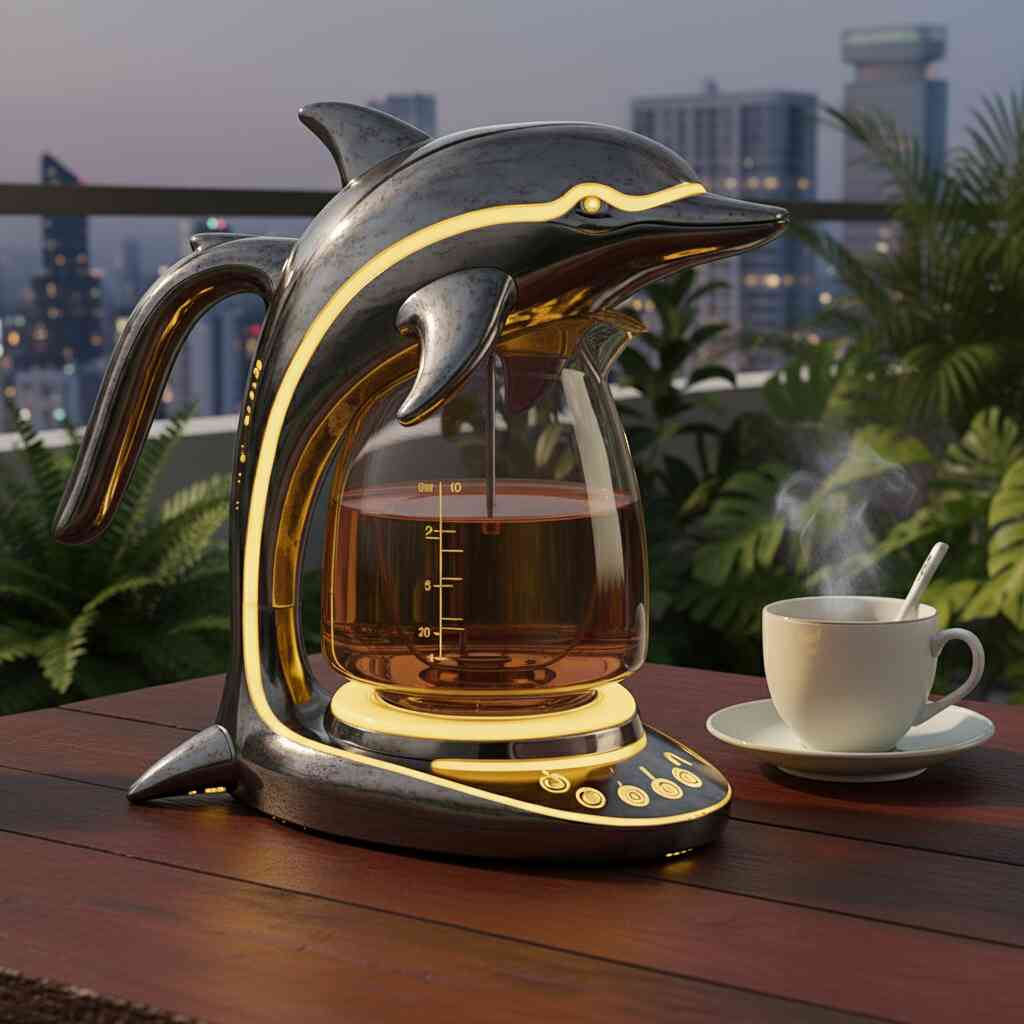
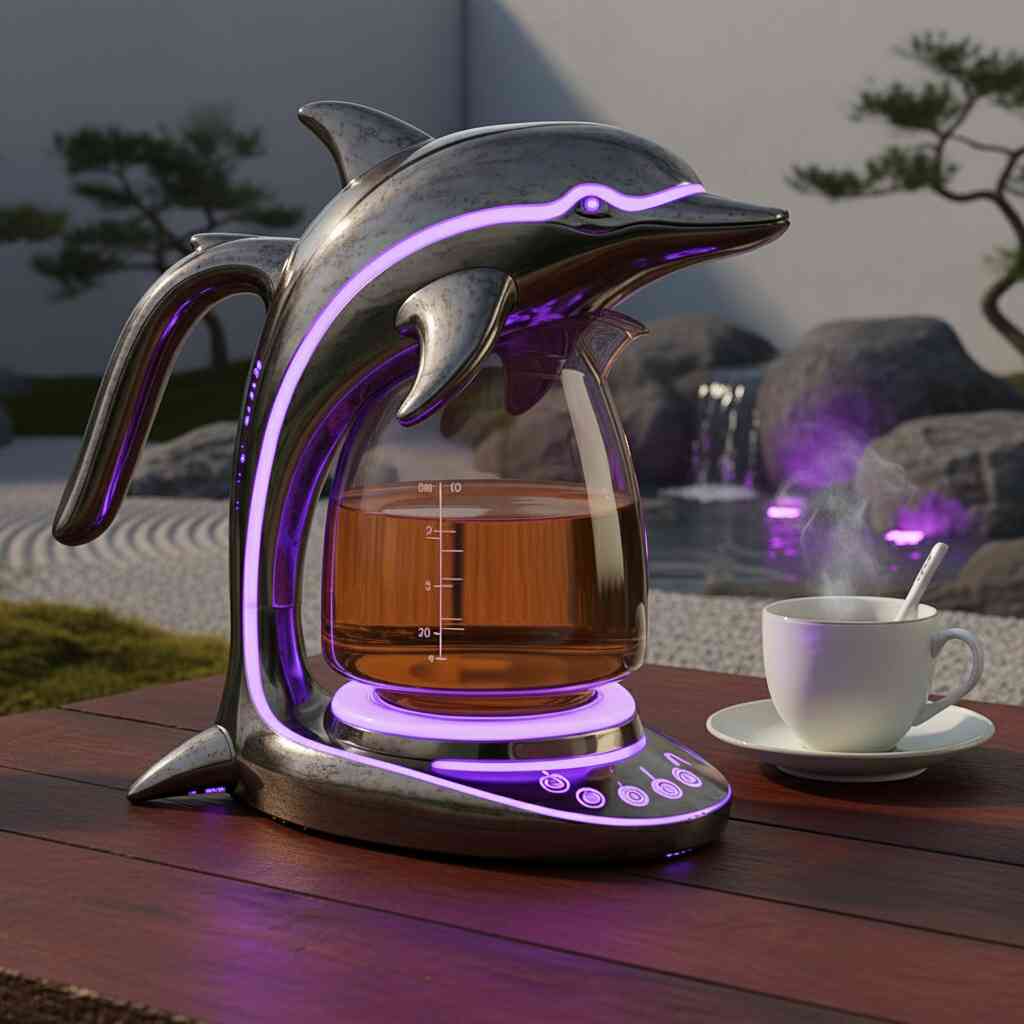
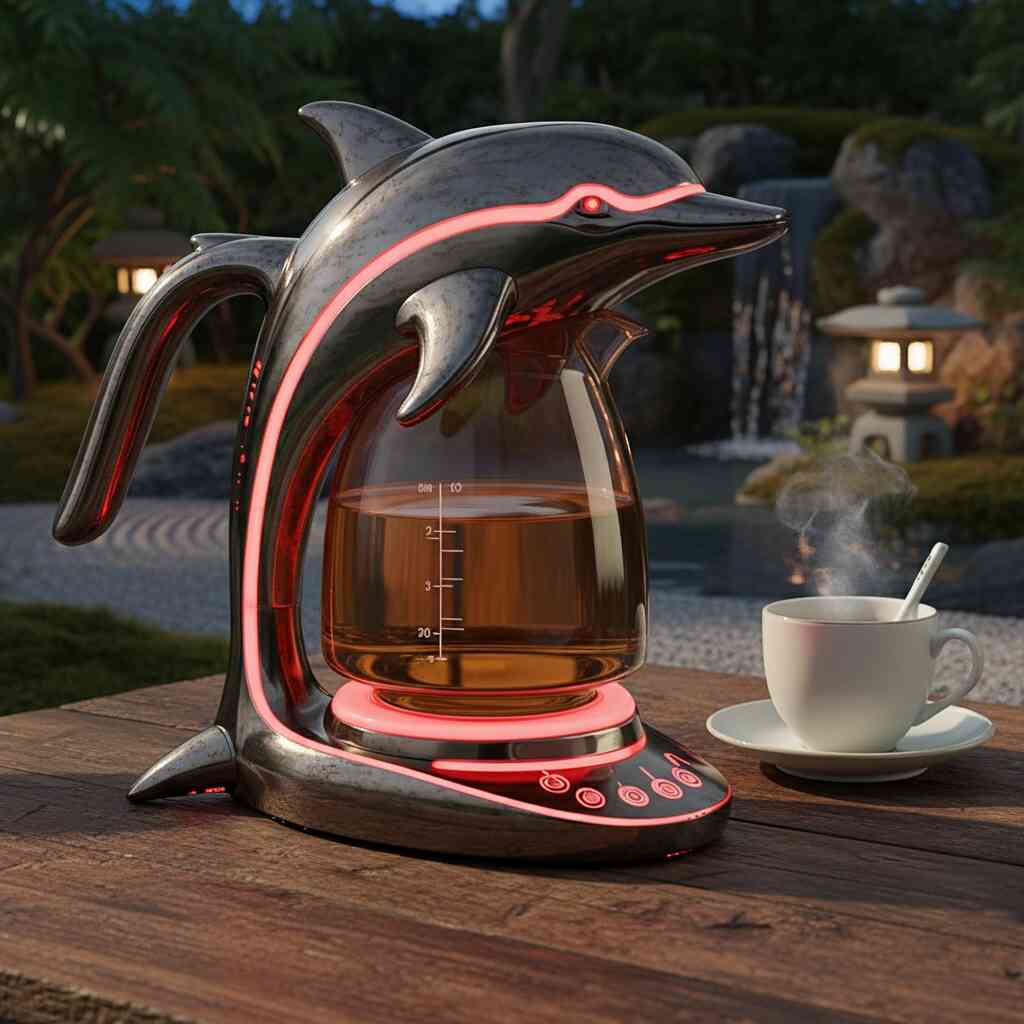
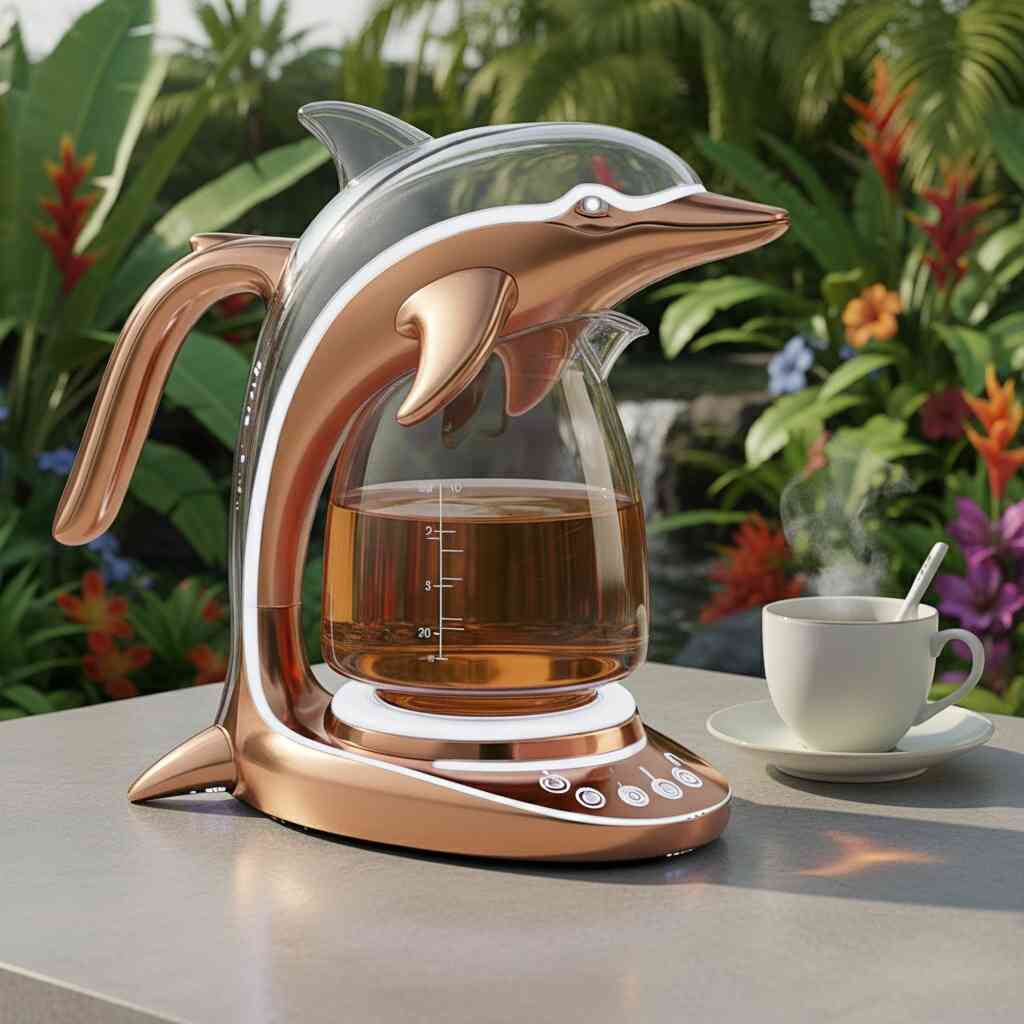
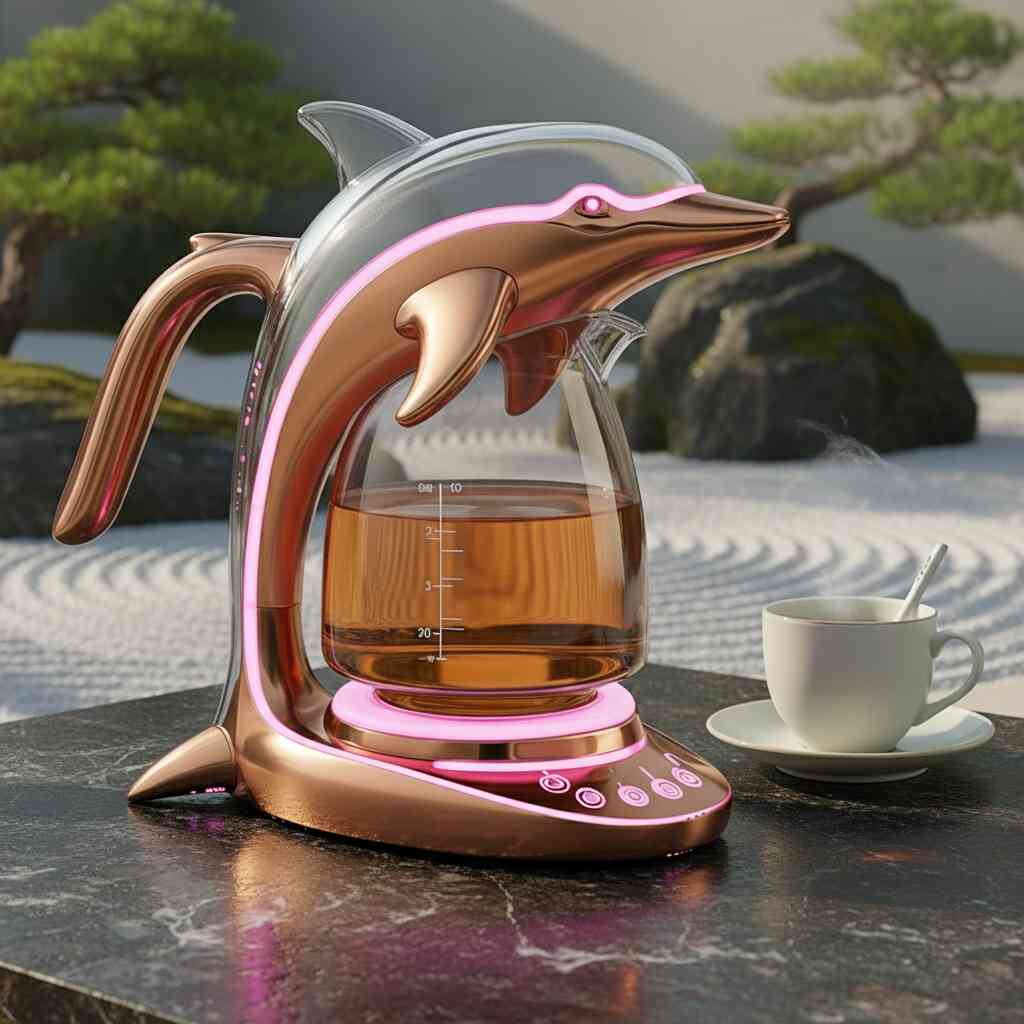
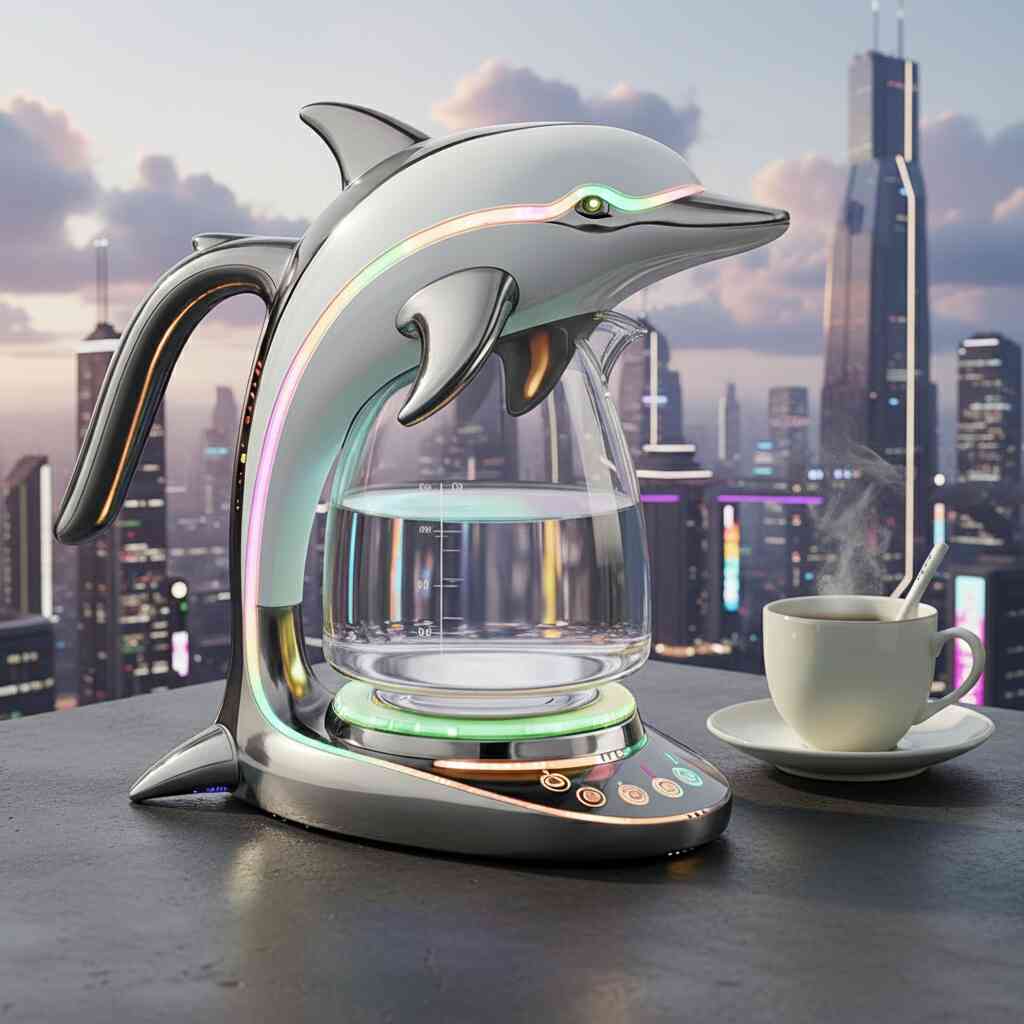
The shape of the kettle echoes the gentle curve of a dolphin’s back, its spout mimicking the arc of a leap. The handle flows like a fin, and the lid resembles the smooth crown of a diving mammal. Even the sound of the boil—the soft, melodic whistle—was engineered to feel less like an alert and more like a call to presence. Every detail, from the tactile surface to the way light reflects off its contours, invites interaction not as a duty, but as a moment of connection.
This shift from utility to artistry reflects a broader cultural longing—to reclaim beauty in the everyday, to find joy in the routine. In a world where digital distractions pull us in every direction, the Dolphin Electric Kettle becomes a quiet anchor, reminding us that even the smallest rituals can be sacred.
The Dolphin as Muse: Symbolism, Emotion, and the Ritual of Tea
Why the dolphin? Of all the creatures in the animal kingdom, what makes the dolphin the perfect inspiration for a tea kettle?
The answer lies not just in aesthetics, but in the deep symbolic resonance the dolphin holds across cultures and time. In Greek mythology, dolphins were seen as messengers of Poseidon, protectors of sailors, and guides through turbulent waters. In Polynesian legend, they were believed to be ancestral spirits, guiding lost souls to safe shores. In modern psychology, the dolphin is often associated with joy, communication, and emotional intelligence—qualities that align perfectly with the ritual of tea.
Tea, at its core, is not just about hydration. It is about pause. It is about presence. It is about connection—to oneself, to others, to the moment. When we make tea, we are not simply preparing a beverage; we are creating space. We are signaling to ourselves and the world: This moment matters.
The Dolphin Electric Kettle enhances this ritual by embedding symbolic meaning into its design. The dolphin, known for its playful leaps and social nature, becomes a silent companion in the kitchen. Its form suggests movement, freedom, and grace—qualities that contrast with the often static, mechanical nature of household appliances. When you reach for the kettle, you are not just grabbing a tool; you are engaging with a symbol of joy.
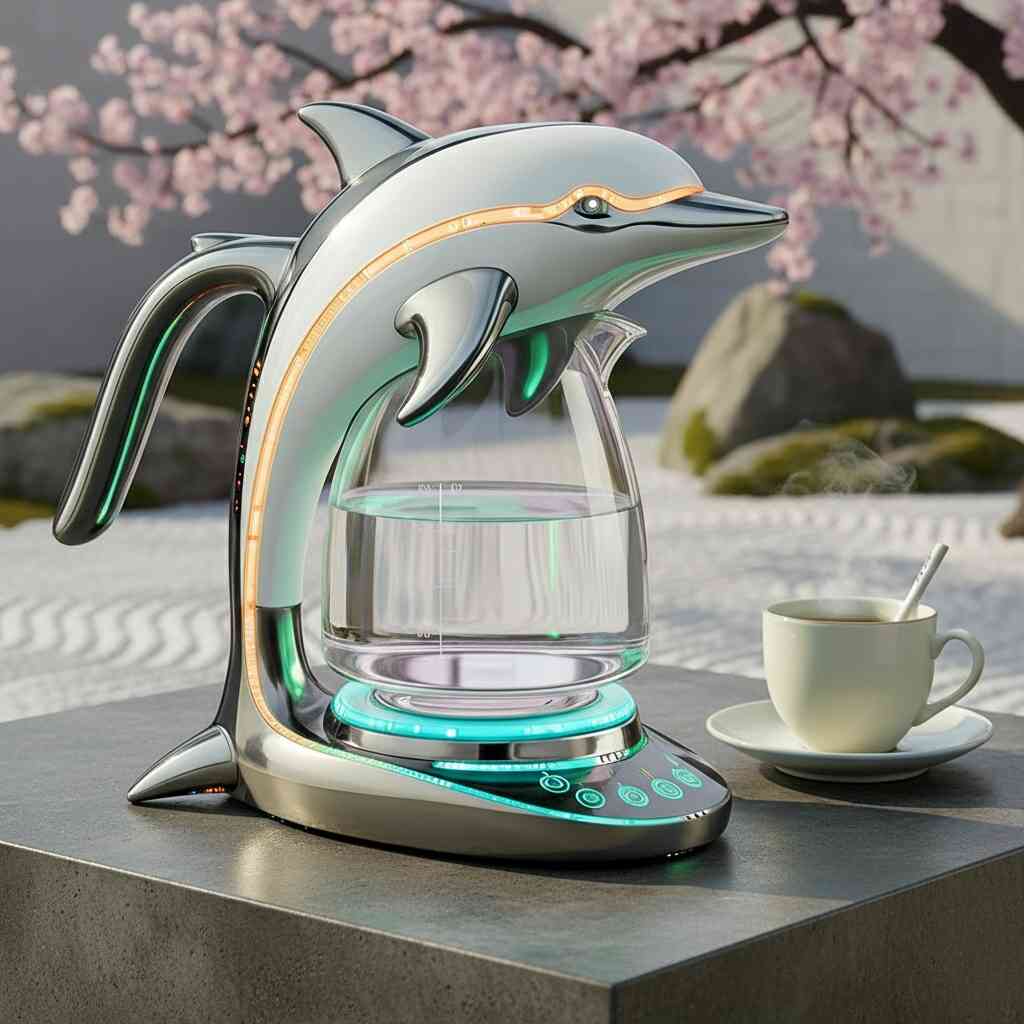
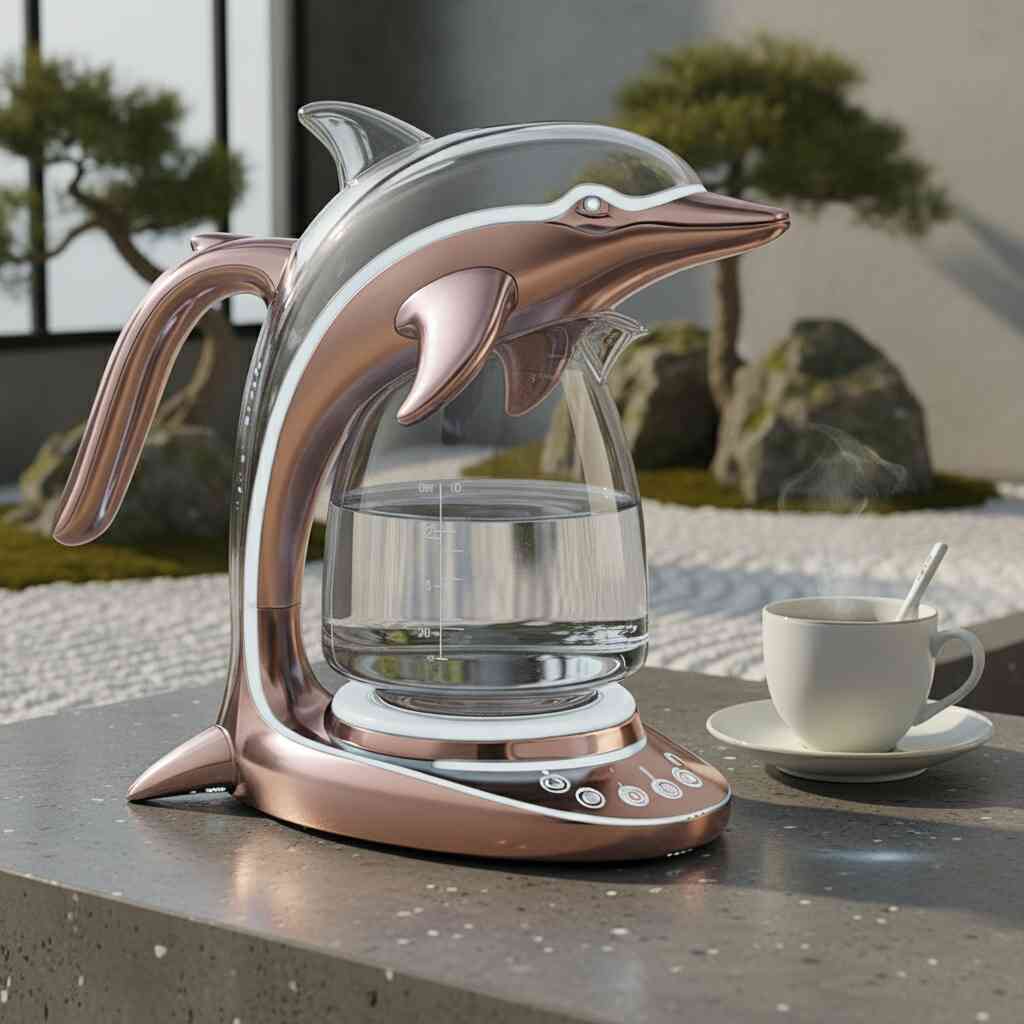
Consider the act of filling the kettle. As water flows in, the transparent window (if present) or the gentle curve of the body allows light to play across the surface, evoking the shimmer of ocean waves. The dolphin’s silhouette, subtly etched or molded into the side, seems to glide through the liquid. It is a small moment, but one that can shift your entire mindset. Instead of rushing through the task, you may find yourself pausing, watching, even smiling.
Then comes the boil. Unlike the harsh, abrupt shriek of traditional kettles, the Dolphin Electric Kettle emits a soft, rising tone—reminiscent of a dolphin’s sonar call. This sound does not startle; it announces. It is not a demand to act, but an invitation to attend. In that moment, the mind shifts from distraction to awareness. The steam rises, curling like a dolphin’s breath at the surface of the sea. You pour the water, and the arc of the stream mirrors the arc of a leap.
These details are not accidental. They are intentional design choices meant to align the user’s experience with the emotional qualities of the dolphin: fluidity, intelligence, playfulness, and connection. The kettle becomes more than a machine; it becomes a participant in the ritual.
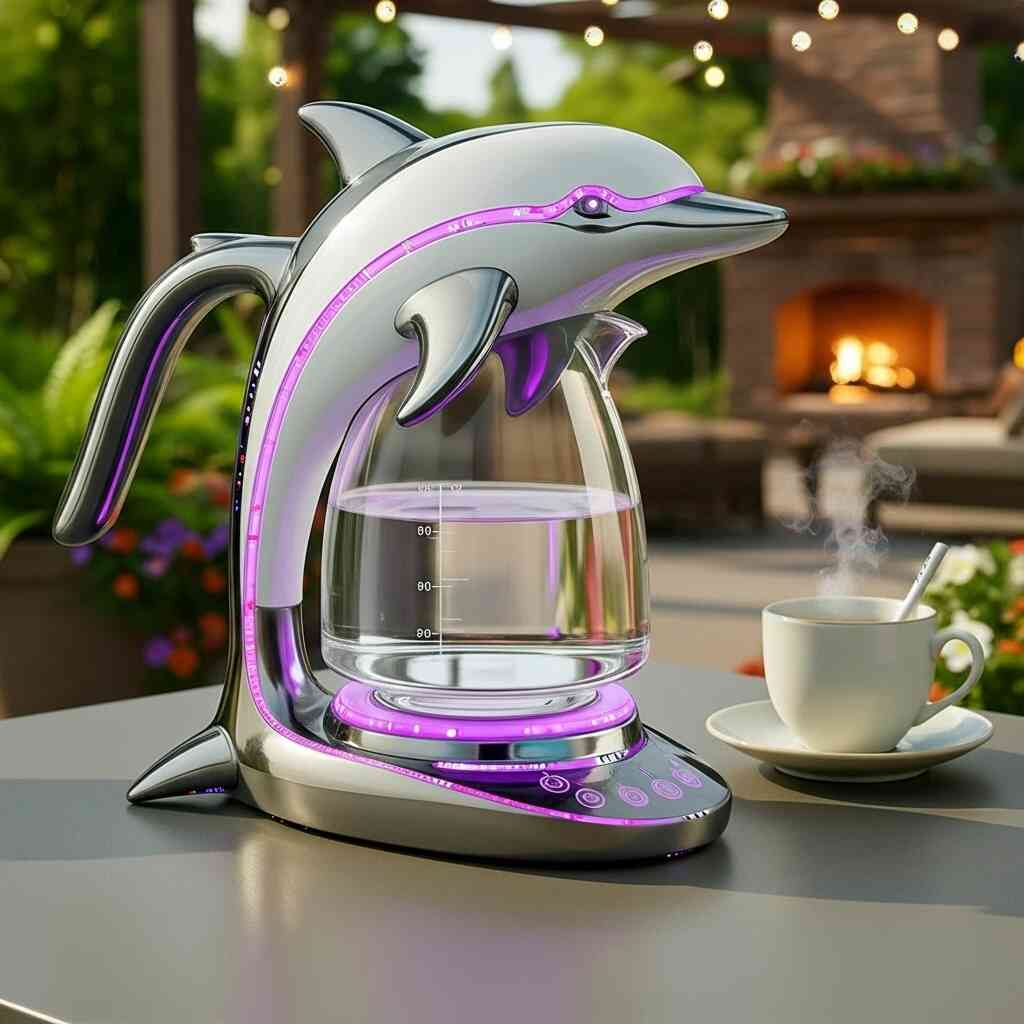
Moreover, the dolphin’s association with the ocean—a vast, mysterious, life-giving force—adds a layer of depth to the tea-making process. Water, the essence of tea, is also the essence of the dolphin’s world. In using the Dolphin Electric Kettle, there is a subtle reminder of the interconnectedness of all things: the water we drink, the creatures that inhabit the seas, the rhythms of nature that sustain us.
This symbolic layer transforms tea time from a functional break into a micro-ceremony. It encourages mindfulness. It invites gratitude. It turns the kitchen into a sanctuary, and the kettle into a totem of presence.
In cultures where tea is deeply ritualized—such as Japan’s chanoyu or Morocco’s mint tea ceremonies—every movement is deliberate, every object meaningful. The Dolphin Electric Kettle brings a similar intentionality to modern, everyday life. It does not require formal training or special knowledge. Instead, it offers meaning through design, allowing anyone, anywhere, to experience the sacred in the simple.
Design as Alchemy: Turning Water into Wonder
At its heart, the Dolphin Electric Kettle is an act of alchemy—the transformation of the ordinary into the extraordinary. It proves that design is not merely about appearance, but about experience. It shows that even the most routine actions can be elevated when beauty, symbolism, and functionality are woven together.
This alchemy occurs on multiple levels.
First, there is the sensory transformation. The smooth, cool touch of the handle; the gentle curve that fits the palm; the way the light dances across the surface—these tactile and visual details engage the senses in a way that most appliances do not. The kettle feels alive, not inert. It responds not just to electricity, but to human touch, to intention.
Second, there is the emotional transformation. In a world where stress and speed dominate, the Dolphin Electric Kettle introduces a counter-rhythm: one of grace, ease, and delight. It does not demand urgency. It does not beep aggressively. It does not feel cold or impersonal. Instead, it feels like a friend—familiar, comforting, uplifting. The act of using it becomes a small act of self-care, a moment of reprieve.
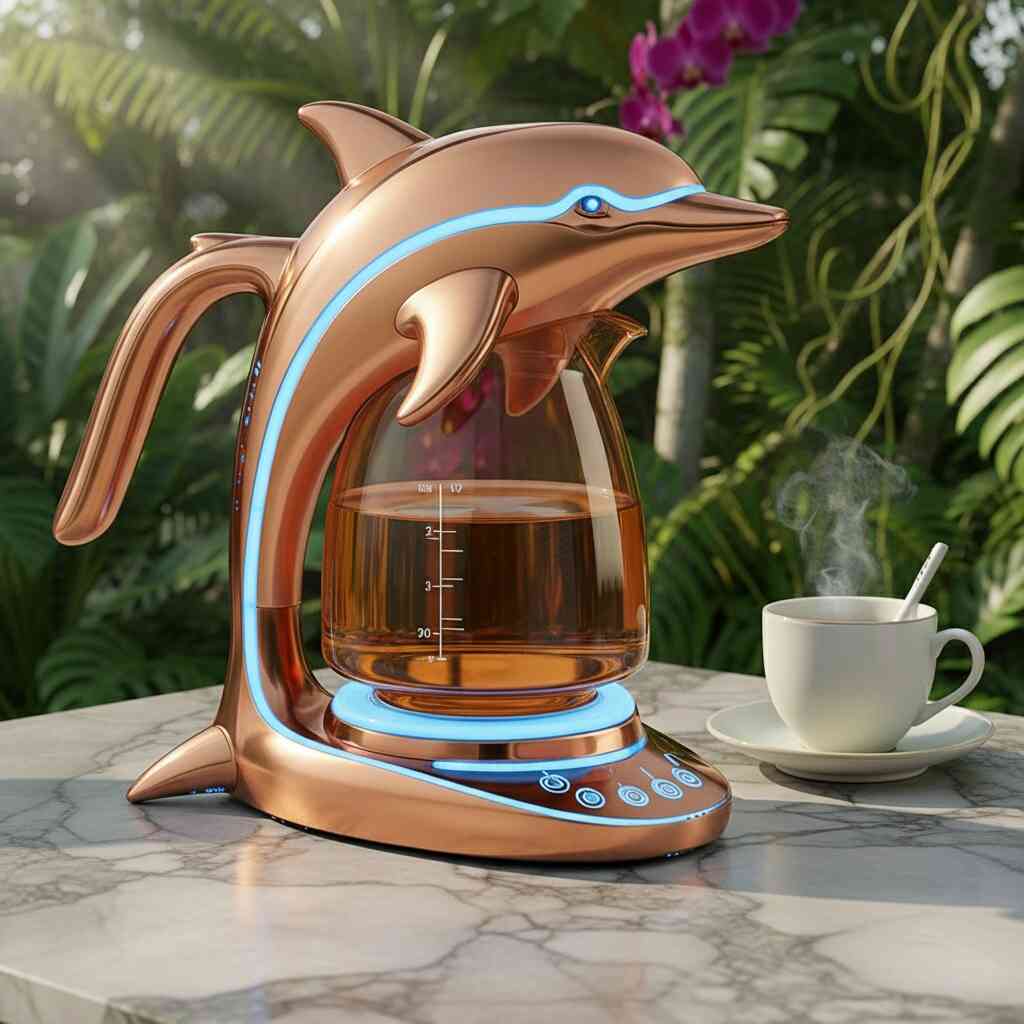
Third, there is the cognitive transformation. The dolphin motif invites curiosity. It prompts questions: Why a dolphin? What does it mean? How does it relate to tea? This engagement of the mind deepens the experience. It turns a passive action into an active one. It encourages reflection, even if only for a few seconds. And in those seconds, something shifts—perspective widens, breath slows, heart opens.
Finally, there is the communal transformation. While tea is often a solitary ritual, it is also one of the most universal forms of hospitality. Offering someone a cup of tea is an act of care. And when that tea is made with a kettle that carries the spirit of the dolphin—playful, intelligent, connected—it enhances the gesture. The kettle becomes a silent storyteller, conveying warmth not just through heat, but through design.
This alchemy is not limited to the kitchen. It ripples outward. The mindfulness cultivated during tea time can carry into the rest of the day. The joy sparked by a beautiful object can linger long after the cup is empty. The connection to nature, symbolized by the dolphin, can inspire greater care for the environment. In this way, the Dolphin Electric Kettle is not just transforming tea time—it is transforming consciousness.
It is a reminder that we do not have to choose between function and beauty, efficiency and emotion. We can have both. We can design a world where the objects we use every day do not drain our energy, but replenish it. Where the mundane becomes magical not through spectacle, but through sensitivity.
Conclusion: The Ripple Effect of a Single Leap
The Dolphin Electric Kettle is more than a kettle. It is a testament to the power of design to shape experience, to elevate the everyday, to awaken wonder in the most unexpected places. It proves that even the simplest objects can carry deep meaning when they are created with intention, empathy, and imagination.
By choosing the dolphin as its muse, the designers of this kettle did not merely create a visually appealing product—they created a philosophy. A philosophy that says: Your moments matter. Your rituals deserve beauty. Your connection to the world is worth honoring. In doing so, they transformed tea time from a routine into a ritual, from a task into a treasure.
But the impact of the Dolphin Electric Kettle extends beyond the kitchen. It challenges us to rethink our relationship with the objects around us. Are they merely tools, or can they be companions? Do they drain our attention, or do they invite us into presence? Can a toaster, a lamp, a coffee mug—can any object—be designed to inspire, to comfort, to connect?
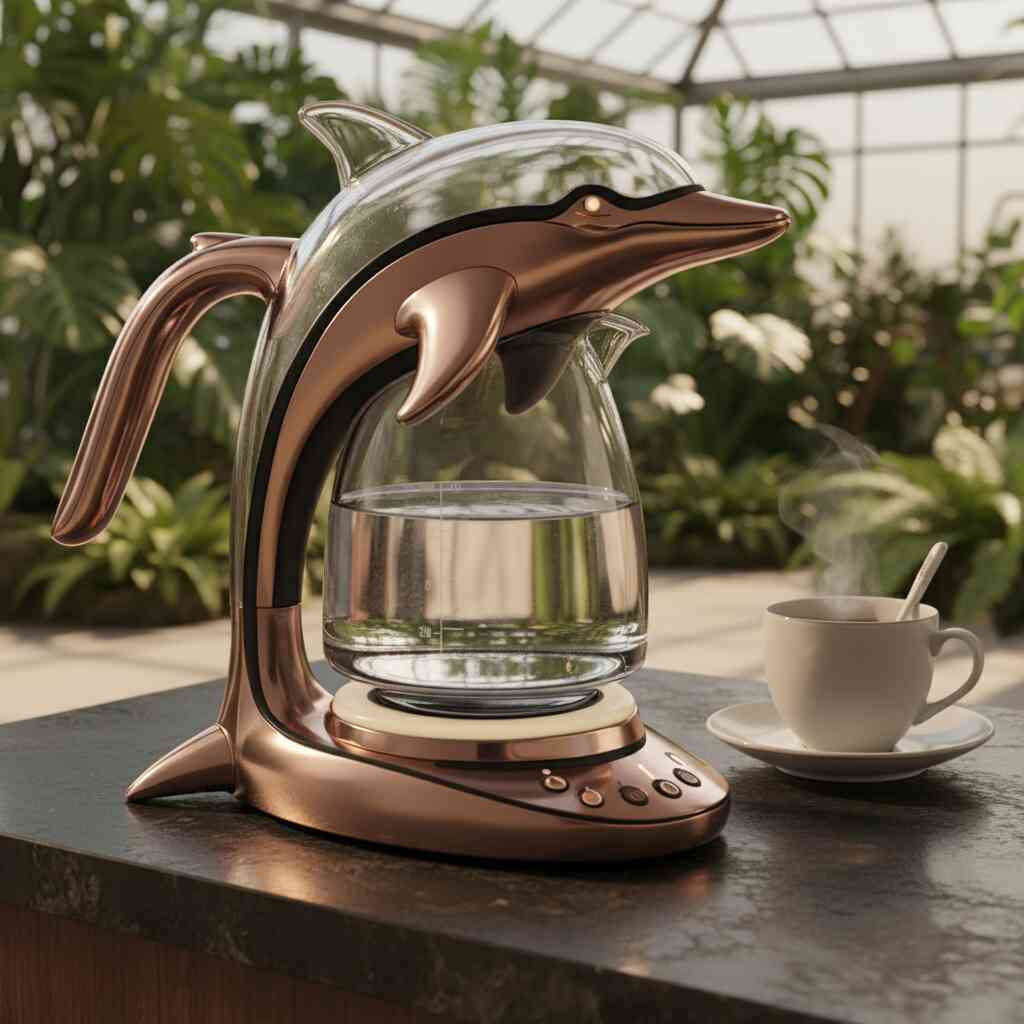
The answer, as the Dolphin Electric Kettle shows us, is yes.
In a world that often feels fragmented and fast, this kettle stands as a quiet revolution—a reminder that magic is not found only in grand gestures or distant lands, but in the curve of a handle, the sound of a whistle, the shape of a leap. It reminds us that we are not separate from nature, but part of it. That joy can be found in function. That beauty is not a luxury, but a necessity.
And so, the next time you prepare a cup of tea, take a moment to notice—not just the water, the leaves, the steam—but the vessel that made it possible. See the dolphin in its form. Feel the grace in its curve. Hear the song in its whistle. Let it remind you that even in the busiest days, there is space for wonder.
Because when design listens to the soul, even a kettle can become a poem. And tea time, once again, becomes magic.