
The garage—once relegated to the status of a mere storage shed or parking nook—has steadily evolved into a multifunctional space. Today’s homeowners view it not only as a shelter for vehicles but as a workshop, gym, hobby studio, or even a prelude to the home’s interior aesthetic. As expectations for this space have risen, so too has the demand for a flooring solution that matches both practical needs and design aspirations. Among the many options available—concrete sealers, paint, vinyl tiles, rubber mats—epoxy garage flooring has emerged as a standout choice, favored not only by professionals but increasingly by DIY enthusiasts seeking durability, visual refinement, and long-term resilience.
What makes epoxy garage flooring so compelling is its ability to transcend the limitations of traditional materials. It doesn’t just cover concrete—it transforms it. Through a chemical process that fuses resin and hardener into a rigid, seamless, high-performance coating, epoxy delivers a surface that resists stains, abrasions, chemicals, and impacts—all while offering a finish that can be as utilitarian or as elegant as the homeowner desires. Its growing popularity is not driven by trends alone, but by a deep alignment with modern values: sustainability through longevity, adaptability through customization, and empowerment through DIY accessibility.
This article explores the multifaceted appeal of epoxy garage flooring by delving into its scientific underpinnings, its real-world functional advantages, and the psychological and experiential benefits it brings to everyday life. Rather than focus on pricing or promotional angles, we will examine why—at a fundamental level—this material resonates so profoundly with both seasoned homeowners and hands-on DIYers. In doing so, we aim to reveal how a simple floor coating can become a cornerstone of purposeful, intentional living.

Part I: The Science and Substance Behind Epoxy Garage Flooring
At its core, epoxy garage flooring is not paint, not tile, and not a temporary overlay—it is a thermosetting polymer formed when a resin and a polyamine hardener chemically react and cure. This exothermic reaction creates an incredibly dense, cross-linked molecular structure that bonds tenaciously to properly prepared concrete. Unlike surface-level treatments that merely sit on top of the substrate, a quality epoxy system penetrates micro-pores and irregularities, forming a monolithic shield that becomes an integral extension of the slab itself.
This molecular cohesion is what gives epoxy its legendary durability. Once cured (typically within 24–72 hours, depending on formulation and environmental conditions), the coating achieves a compressive strength often exceeding 10,000 psi—far surpassing that of bare concrete (~3,000–4,000 psi) and outperforming most paints or sealers by orders of magnitude. It resists chipping from dropped tools, abrasion from tire scuffing, and degradation from repeated foot traffic. More impressively, it remains impervious to common garage hazards: oil, gasoline, brake fluid, antifreeze, road salt, and even mild acids or solvents used in cleaning.

Thermal stability is another underappreciated advantage. Epoxy maintains its integrity across a broad temperature range, resisting cracking in sub-zero winters and softening in summer heatwaves. This resilience is especially valuable in regions with freeze-thaw cycles, where water infiltration and subsequent expansion can delaminate weaker coatings or spall untreated concrete.
Importantly, modern epoxy systems are engineered with user safety in mind. While early formulations were slick when wet, today’s products often incorporate anti-slip additives—such as aluminum oxide, silica sand, or polymer granules—either broadcast into the wet coating or integrated into the final topcoat. This ensures traction without compromising aesthetics or cleanability. Moreover, UV-stable polyaspartic or polyurethane topcoats can be applied over standard epoxy to prevent yellowing or chalkiness in sun-drenched garages with windows or open doors—addressing one of the historical limitations of pure epoxy.
From a chemical and physical standpoint, then, epoxy garage flooring is not simply a cosmetic upgrade. It is a holistic reinforcement of the concrete substrate, elevating it from a passive foundation to an active, high-functioning surface. For the analytical homeowner or the meticulous DIYer, this scientific reliability provides peace of mind: the knowledge that the floor beneath their feet is engineered, not improvised.

Part II: Functional Excellence — Solving Real Problems in Everyday Life
Beyond its material science, epoxy garage flooring earns its reputation through daily utility. Its benefits are not abstract—they solve tangible, recurring frustrations experienced by virtually every garage user.
Effortless Maintenance and Hygiene
A porous concrete floor is a sponge for grime. Oil drips seep in, tire marks embed, dust accumulates in micro-cracks, and mold or mildew can thrive in damp corners. Cleaning becomes a Sisyphean task: scrubbing, pressure washing, resealing—all with diminishing returns.
Epoxy eliminates this cycle. Its seamless, non-porous surface prevents absorption. Spills—whether motor oil, paint thinner, or spilled fertilizer—sit on top, where they can be wiped away with a damp mop or cloth. There are no grout lines to trap debris, no seams where dirt hides. This hygienic quality makes epoxy ideal not just for mechanics or woodworkers, but also for families using the garage as a mudroom, pet-washing station, or entryway buffer zone. Allergens, bacteria, and odors have no foothold.
Enhanced Lighting and Spatial Perception
Garages are notoriously dim. Low ceilings, limited windows, and dark concrete absorb light—creating a cave-like atmosphere that discourages extended use.
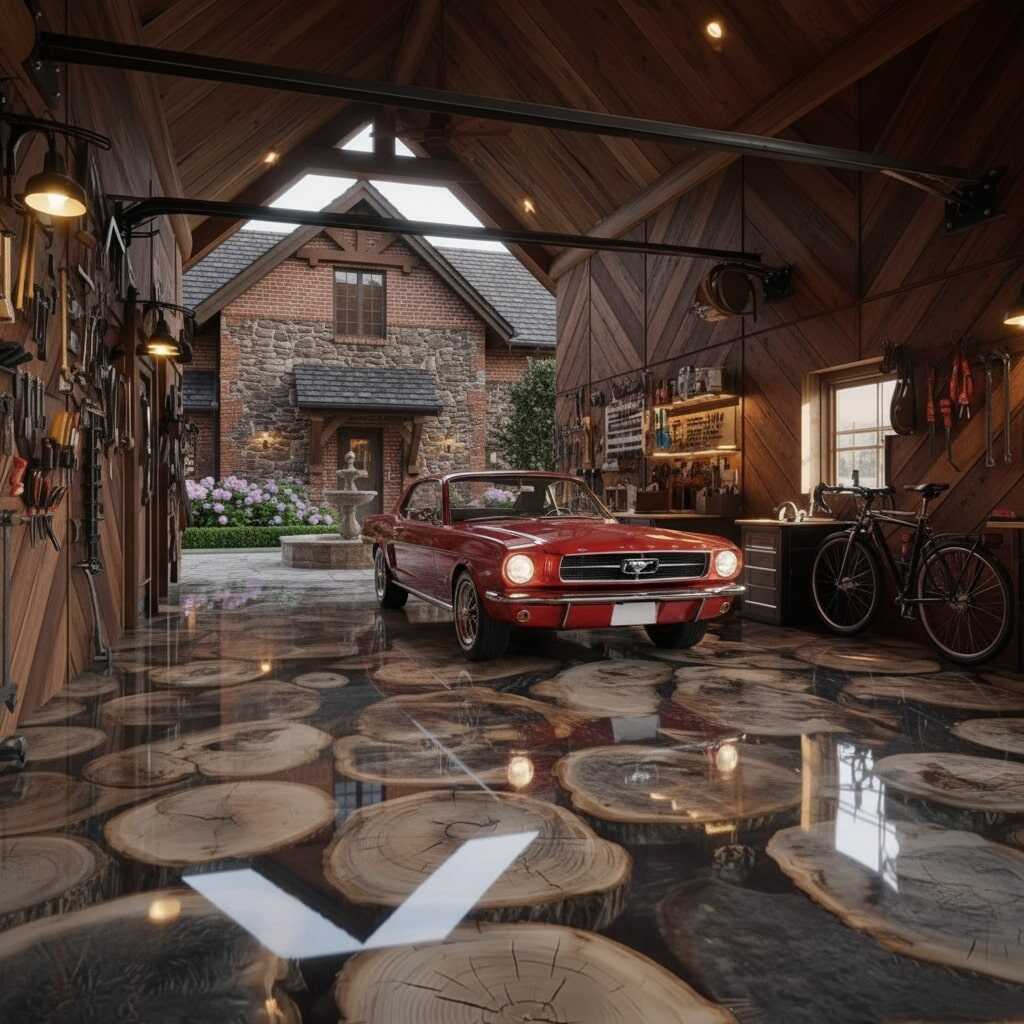
Epoxy changes that. High-gloss and semi-gloss finishes reflect ambient light dramatically. A well-lit garage with epoxy flooring can appear up to 30% brighter without adding a single fixture. This reflective quality extends the usefulness of natural daylight and makes artificial lighting more efficient. The result? A space that feels larger, cleaner, and more inviting—encouraging homeowners to spend time there, organize tools, or even host small projects without dreading the gloom.
Noise and Vibration Dampening
Though subtle, the acoustic improvement of epoxy flooring is meaningful. Concrete is rigid and reflective to sound—dropped wrenches echo, garage door openers reverberate, and tire rolls create sharp, jarring noise.
A properly applied epoxy layer—especially when combined with a slight elastomeric component or a flexible primer—adds a degree of cushioning that absorbs impact energy. While not as soft as rubber, it noticeably reduces the clatter of daily garage activity. For homes with attached garages, this translates to less disturbance inside the living space—a quiet garage door descent, a muted thud when unloading groceries.
Structural Integrity and Crack Bridging
Micro-cracks in concrete are inevitable over time—caused by settling, temperature shifts, or load stress. Left untreated, they widen, collect moisture, and compromise the slab.
Many epoxy systems, particularly those with flexible additives or hybrid formulations (e.g., epoxy-polyurethane blends), exhibit crack-bridging capabilities. They stretch slightly with substrate movement, preventing hairline fractures from telegraphing through the coating. While epoxy won’t fix major structural failures, it acts as a protective membrane that slows deterioration and buys time for proactive maintenance.
Versatility for Evolving Needs
Life changes. Today’s car storage may become tomorrow’s pottery studio or home gym. Epoxy flooring supports this adaptability. Its uniform surface accommodates heavy equipment (weight racks, lathes, table saws) without denting. It withstands frequent reconfiguration—moving shelves, rolling tool carts, dragging bins—without scuffing or peeling (provided proper cure time is respected). And because it’s chemically inert post-cure, it won’t off-gas or degrade when exposed to fitness equipment rubber mats, art solvents, or gardening chemicals.
For the DIYer, this flexibility is empowering. Knowing that the floor can handle whatever project comes next—without requiring replacement or extensive remediation—frees creative and functional exploration.

Part III: The Human Element — Why Homeowners and DIYers Connect with Epoxy
Ultimately, the widespread adoption of epoxy garage flooring isn’t just about specs and performance metrics. It’s about values—about how a surface can reflect a homeowner’s aspirations for order, pride, and self-reliance.
A Canvas for Personal Expression
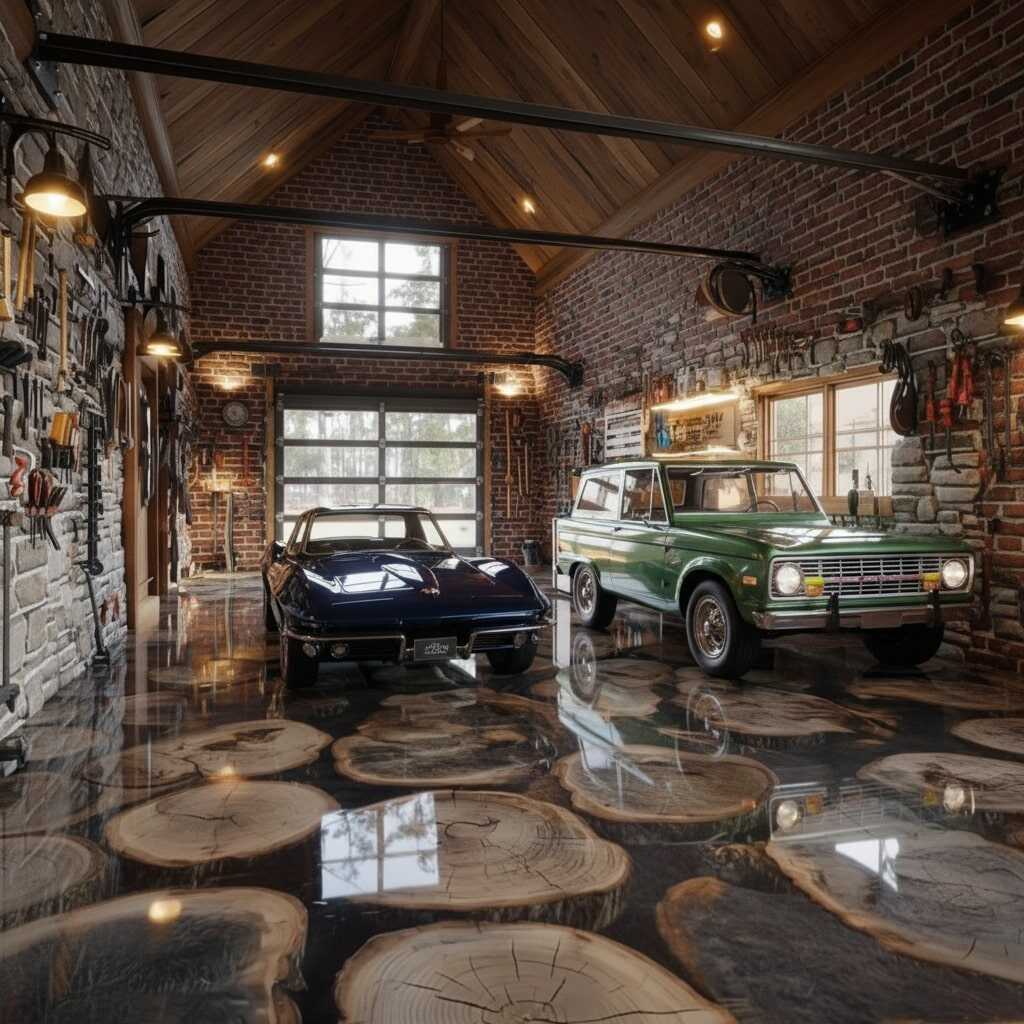
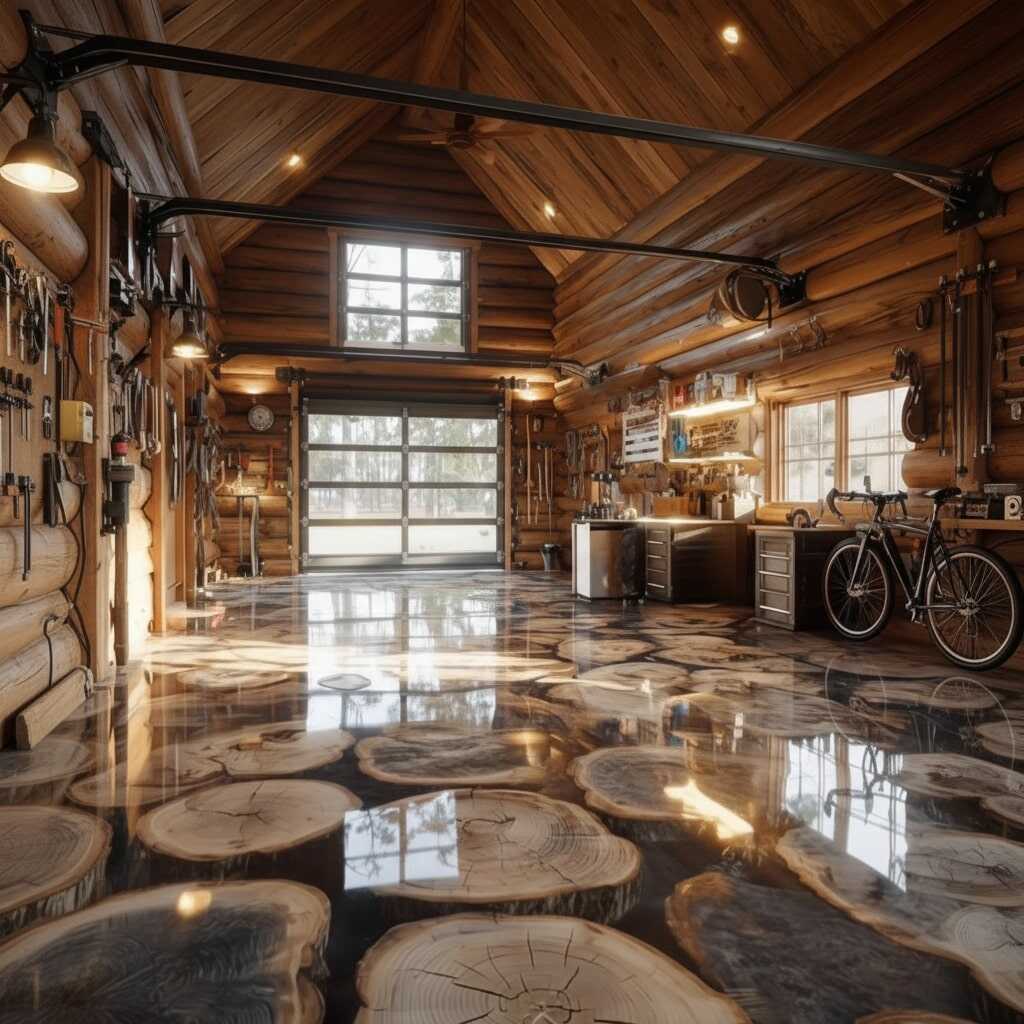
Epoxy is remarkably customizable—not just in color (from classic grays and industrial blacks to bold reds, blues, or metallic finishes), but in texture and design. Flakes of colored quartz or vinyl chips can be broadcast for a granite-like speckle. Metallic pigments create depth and movement, resembling molten lava or galaxy swirls. Stencils allow for zone demarcation—parking guides, tool outlines, or branded logos. Even embedded LED strips or glow-in-the-dark aggregates are possible.
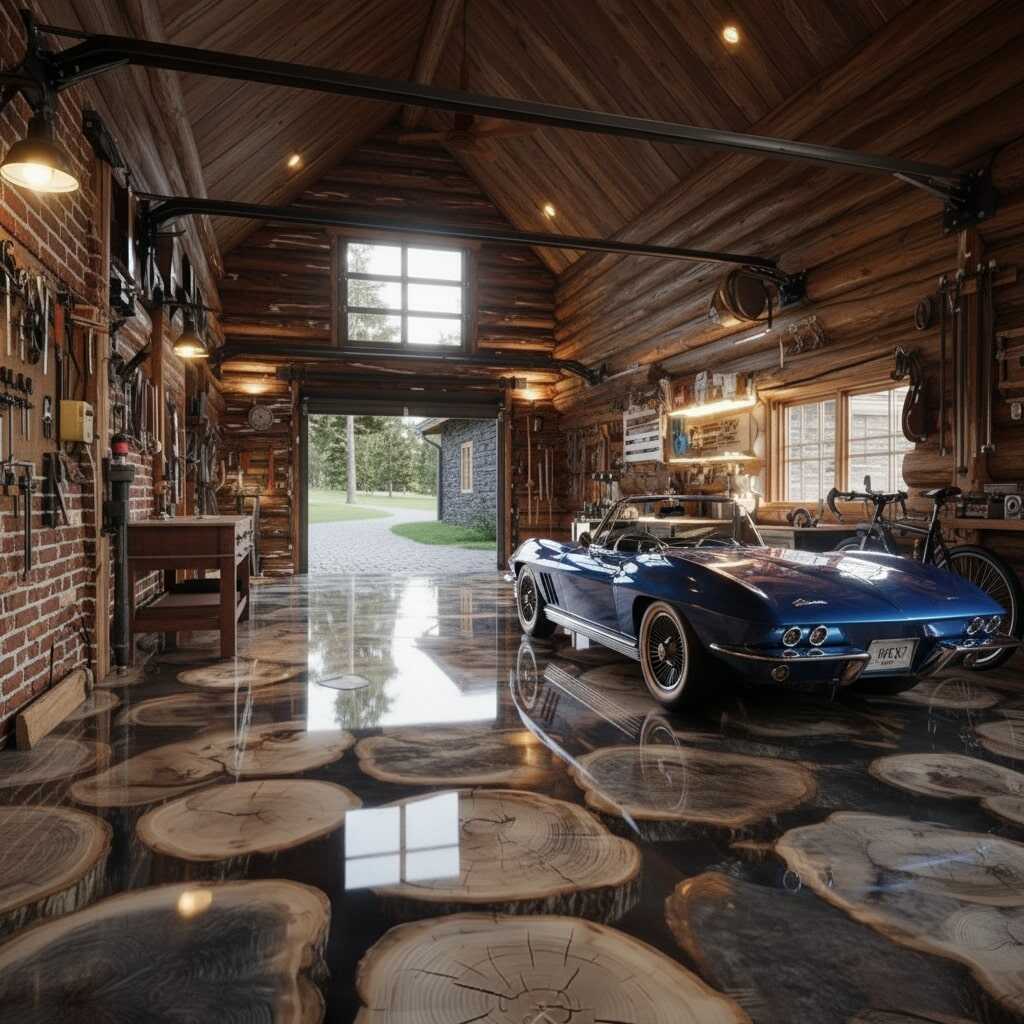
This aesthetic latitude transforms the garage from a utilitarian afterthought into a curated extension of the home’s personality. A minimalist homeowner may opt for a sleek, monolithic gray with subtle anti-slip texture. A car enthusiast might choose a high-gloss black with silver flake, evoking a showroom floor. A parent converting part of the garage into a kids’ play zone may select bright, cheerful hues with extra slip resistance.
For DIYers, this creative control is deeply satisfying. Unlike pre-fabricated tiles or rigid installation systems, epoxy allows on-the-fly decisions: adjusting flake density, blending colors, or masking patterns. The process becomes an act of craftsmanship—not just renovation, but creation.
The Empowerment of the DIY Journey
One of the most compelling aspects of modern epoxy garage flooring is its accessibility to committed DIYers. While professional installation guarantees precision, many manufacturers now formulate user-friendly kits with improved pot life, simplified mixing ratios, and detailed video-guided instructions. Advances in moisture-tolerant primers and one-part moisture-cured epoxies have further lowered the barrier to entry.
The DIY process fosters a profound sense of agency. Preparing the floor—grinding, cleaning, patching—is physical, meditative work. Mixing the components requires attention and care. Applying the coating demands focus and rhythm. Watching the surface cure, transform, and gleam fosters tangible pride.
In an age of disposability and outsourcing, epoxy represents a counter-narrative: I built this. I protected this. I made this beautiful. The floor becomes a testament to skill, patience, and intention—a daily reminder of capability.
Psychological Shift: From Neglect to Nurturing
There’s a subtle but powerful psychology tied to well-finished spaces. A cracked, stained, dusty garage invites neglect: “It’s just a garage—why bother?” In contrast, a pristine, thoughtfully coated floor inspires stewardship. Tools get hung, bins get labeled, cars get parked straight. The space earns respect—both from the homeowner and from family members.
Studies in environmental psychology show that orderly, aesthetically pleasing environments reduce stress and increase motivation. A garage with epoxy garage flooring often becomes the first place someone goes to tinker, organize, or decompress—not the last. It bridges the gap between necessity and joy.
Moreover, for aging homeowners or those with mobility concerns, the smooth, even, slip-resistant surface offers unspoken safety—no tripping on uneven patches, no struggling to roll bins over cracked joints. It’s inclusive design in its quietest, most effective form.
Conclusion: A Surface That Supports a Way of Life
To call epoxy garage flooring merely a “flooring option” is to miss the point entirely. It is a convergence of chemistry, utility, and human aspiration—a solution that addresses not just the what of garage challenges, but the why behind our desire for better living.
For the homeowner, it represents permanence in an impermanent world: a commitment to quality, to care, to spaces that serve rather than frustrate. For the DIYer, it embodies the timeless satisfaction of self-reliance—the joy of transforming raw potential into enduring value with one’s own hands.
In choosing epoxy, people are not selecting a product. They are choosing clarity over chaos, resilience over fragility, intention over inertia. They are acknowledging that the garage—like the rest of the home—deserves thoughtfulness. That surfaces matter, not for their own sake, but for how they shape behavior, mood, and possibility.
As we move further into an era that prizes sustainability, adaptability, and authentic craftsmanship, epoxy garage flooring stands not as a passing fad, but as a foundational choice—one that quietly, steadfastly, helps us live better in the spaces we inhabit.
And perhaps that is the highest praise a floor can receive: not that it looks impressive, but that it enables what happens above it—project after project, season after season, year after year.