
THE MOST CREATIVE BEDDING EVER? EXPLORING THE DOG INSPIRED SLEEPING BAG DESIGN
INTRODUCTION
Sleep is one of our most vulnerable, biologically necessary states, yet the environments we create for it have grown remarkably sterile. For decades, standard bedding design has prioritized minimal, geometric aesthetics: flat sheets, rectangular mattresses, and crisp, white duvets. While this clean approach appeals to our desire for order, it often leaves our innate need for deep, tactile comfort unfulfilled. Human beings do not just seek physical warmth when they rest; they seek emotional security.
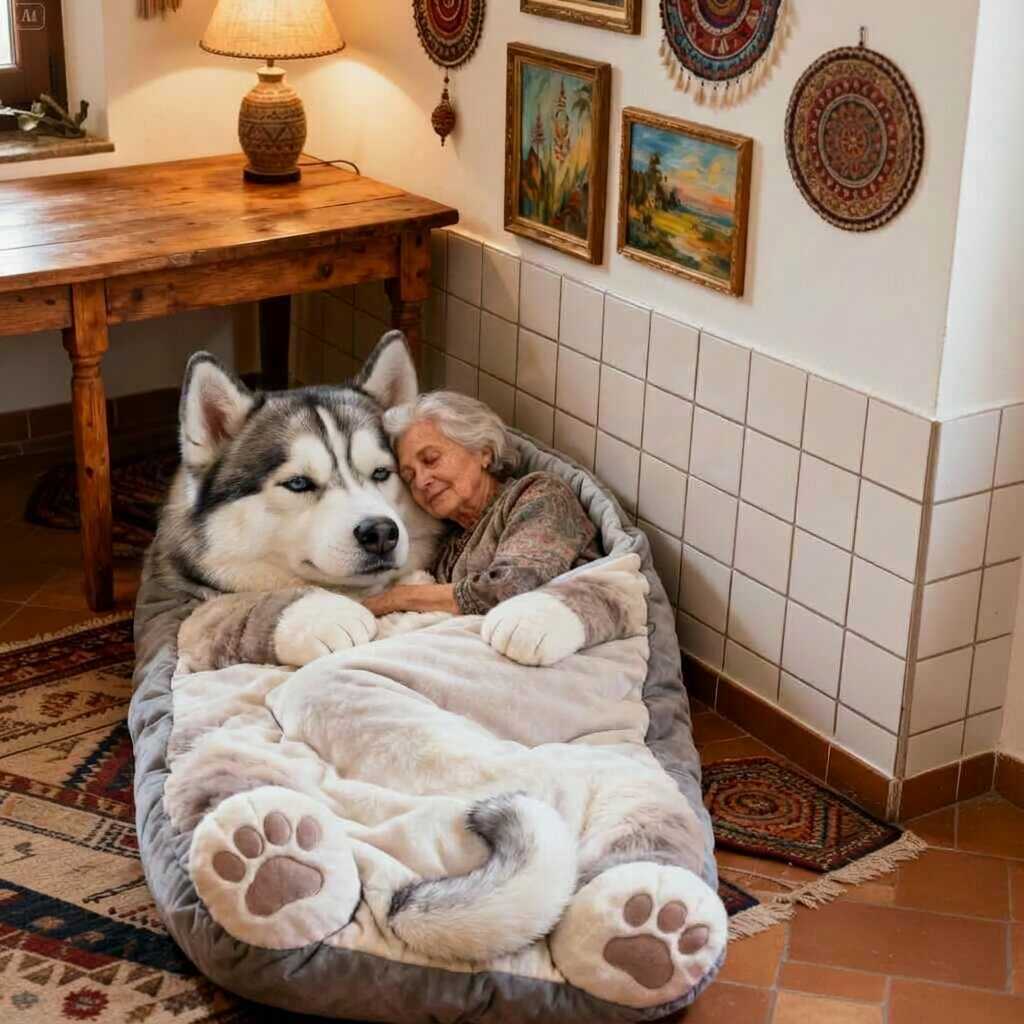
In looking for new ways to make our resting spaces feel safe, designers have recently turned to an unexpected source of inspiration: the animal kingdom. Specifically, the nesting habits of dogs. Anyone who has ever watched a canine prepare for sleep knows it is a ritual of deliberate comfort. They circle, they burrow, they lean their weight against raised borders, and they sink into plush, dense centers. By translating these exact physical sensations into human-scale proportions, a fascinating new trend has emerged.
The concept of a dog inspired sleeping bag challenges everything we take for granted about traditional blankets. It is an exploration of sensory design that asks a simple question: What if we stopped trying to sleep on top of flat surfaces, and started nesting within them? This article explores the psychology, structural engineering, and everyday emotional reality behind this unique shift in modern bedding design.
BODY
THE PSYCHOLOGY OF NESTING AND EMOTIONAL SECURITY
To understand why a dog inspired sleeping bag resonates so deeply with people, we have to look closely at the psychology of human relaxation. When we are stressed or exhausted, our nervous systems naturally seek a sensation known as “deep pressure stimulation.” This is the same mechanism that makes weighted blankets so effective. It mimics the feeling of being held, hugged, or firmly swaddled, which signals to the brain that it is safe to down-regulate the body’s stress responses.
Standard bed designs often fail to provide this enveloping sensation. When you lie on a traditional mattress under a standard blanket, air gaps form along your sides. Your back or chest is exposed to the ambient room temperature, and there is no physical boundary holding you in place.
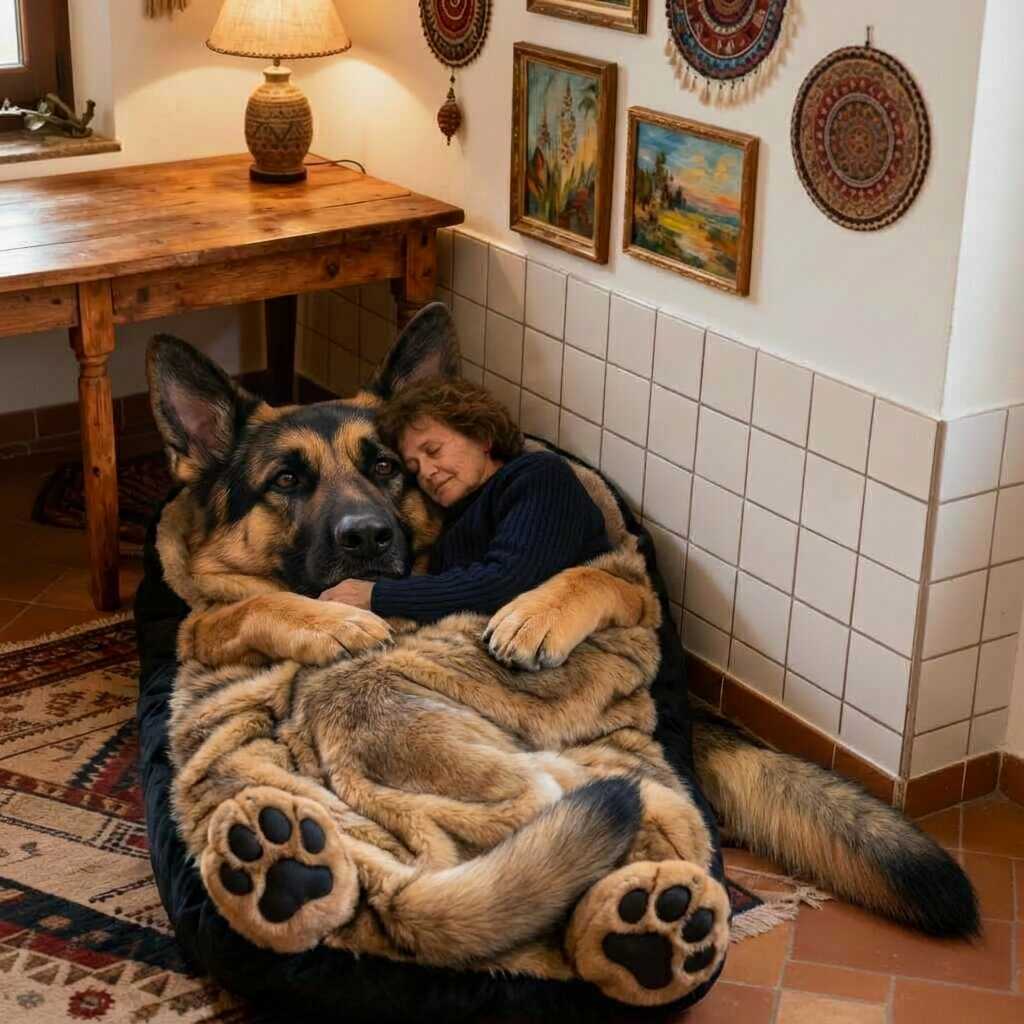
In contrast, a sleeping bag design inspired by a dog’s bed is built entirely around containment. It features raised, heavily padded walls that wrap completely around the perimeter of the human body. When you sink into the center, these borders press gently against your shoulders, hips, and feet. This eliminates the isolating feeling of an open room, creating a physical boundary that acts as a psychological buffer against the outside world. It shifts the experience of sleeping from merely “lying down” to “being cradled.”
ANATOMY OF THE DESIGN: REENGINEERING COMFORT
An effective dog inspired sleeping bag is not just a standard sleeping bag with a whimsical pattern or animal ears sewn onto the hood. True design creativity is structural, requiring an intentional reengineering of textiles, support layers, and ergonomic space.
-
The Overbuilt Border: The defining element of this design is the raised edge, directly inspired by the bolstered walls of classic pet beds. In human dimensions, these borders are filled with high-resilience memory foam or dense microfiber clusters. They are engineered to hold their shape under the weight of a leaning human torso, providing a soft but firm prop for the head or back.
-
The Sunken Center: While traditional sleeping bags maintain a uniform thickness from edge to edge, this design utilizes a recessed central sleeping surface. The base is often crafted from plush, multi-layered orthopedic foam that contours to the spine, distributing body weight evenly and relieving pressure points in a way that flat sleeping pads cannot.
-
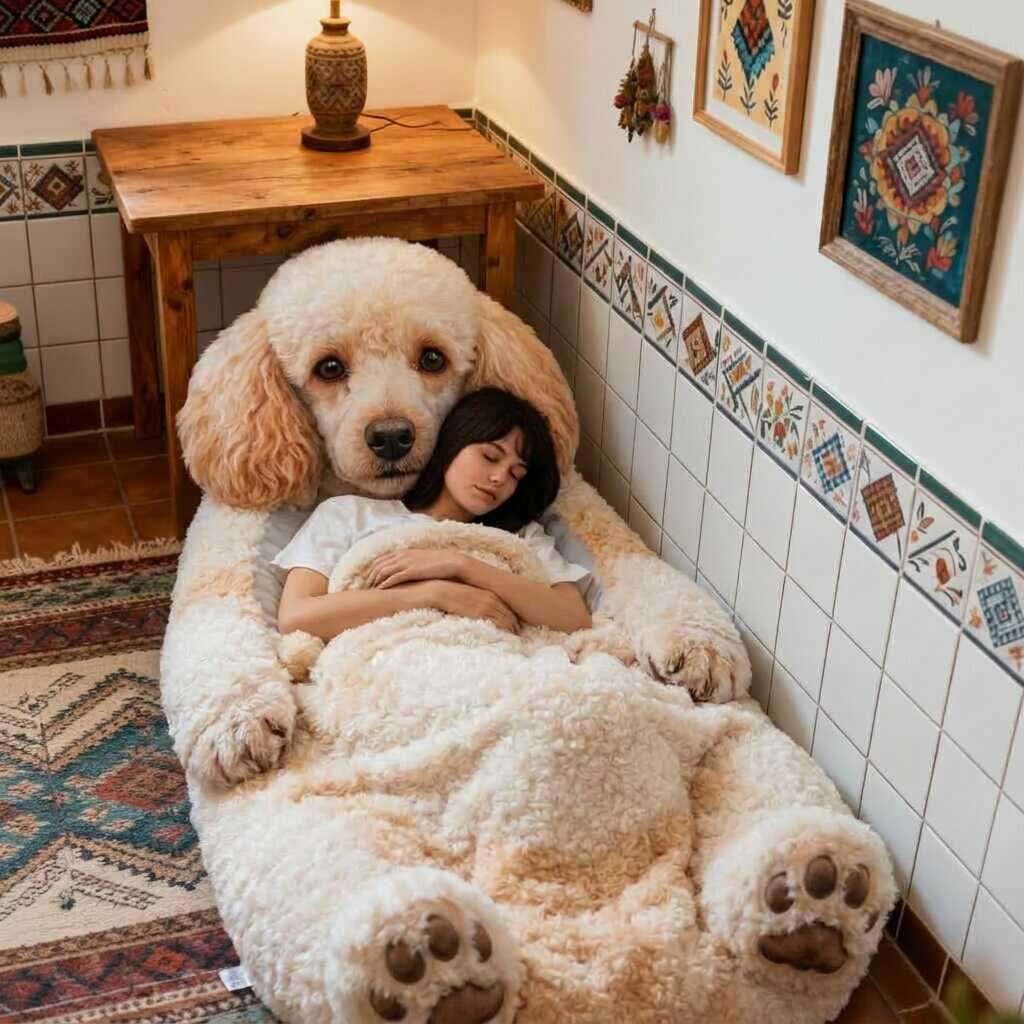
The Integrated Hood and Blanket Overlaps: Canines love to burrow underneath fabrics to shield themselves from light and drafts. To replicate this, these sleeping bags integrate oversized, plush covers that can be pulled entirely over the shoulders or head, mimicking the deep canopy feeling of a den.
The selection of fabrics is equally critical to the success of this concept. Designers move away from the slippery, rustling nylon common in outdoor gear, opting instead for ultra-soft faux furs, sheared fleece, and breathable cotton-blend canvases. These materials are chosen specifically because they generate high tactile warmth immediately upon contact, removing the unpleasant, chilly shock that often comes with climbing into a cold bed.
PRACTICAL APPLICATIONS IN MODERN LIVING SPACES
While the concept might initially sound eccentric, its practical utility in daily life is surprisingly broad. Modern living spaces are increasingly fluid; we no longer relegate relaxation exclusively to the bedroom. People work from home on their sofas, read on the floor, and meditate in quiet corners of their living rooms.
+-------------------------------------------------------------+
|              SPATIAL VERSATILITY OF THE DESIGN              |
+-------------------------------------------------------------+
|  [ Living Room Floor ]  --> Secondary Reading & Relaxation  |
|  [ Home Office Nook  ]  --> Sensory Decompression Breaks    |
|  [ Bedroom Alternate ]  --> Ground Sleeping Experience      |
+-------------------------------------------------------------+
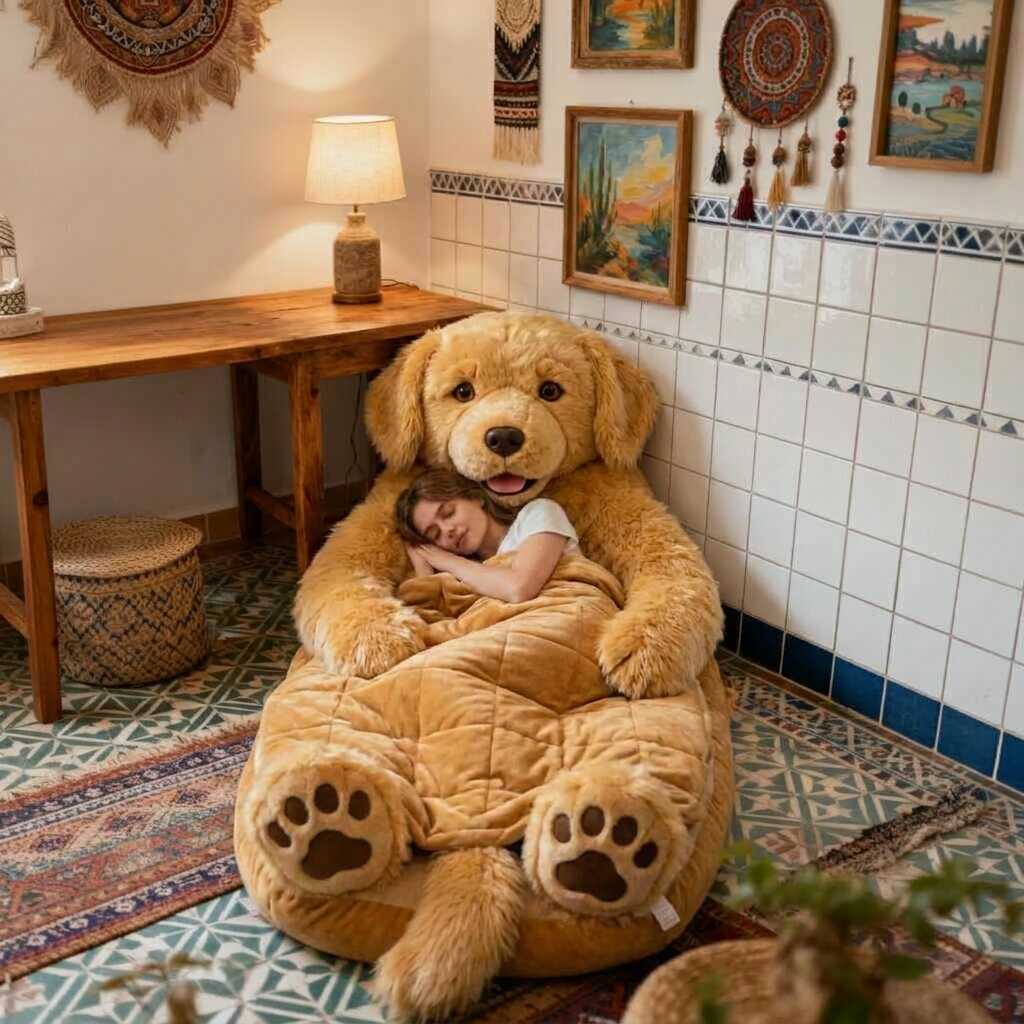
A canine-inspired sleeping bag serves as a portable, self-contained sanctuary that can transform any hard floor into a premium relaxation zone. It is particularly valuable for individuals who experience sensory overload or high levels of daily anxiety. Having a designated, physically enclosing space to retreat to for even twenty minutes can serve as a powerful tool for emotional decompression.
Furthermore, it appeals heavily to the growing demographic of floor-sleepers and minimalist interior enthusiasts. Ground sleeping has long been praised in various cultures for its positive impact on spinal alignment and posture. By elevating the floor-sleeping experience with structured, therapeutic comfort, this design bridges the gap between ancient wellness practices and modern ergonomic needs.
CONCLUSION
The emergence of the dog inspired sleeping bag marks a refreshing departure from conventional interior design philosophies. It proves that true creativity in home goods does not come from adding unnecessary technology or chasing fleeting visual trends. Instead, it comes from observing the natural world, understanding fundamental biological needs, and having the courage to scale those concepts into functional human forms.
By looking closely at how animals comfort themselves, designers have managed to create a piece of bedding that addresses our deep-seated need for security, warmth, and physical containment. It challenges the rigid standards of the traditional mattress, offering an alternative that prioritizes the emotional quality of rest just as much as the physical mechanics of sleep.
Ultimately, this design reminds us that our living spaces should be more than just visually beautiful or organized—they should be deeply comforting. In a fast-paced world that constantly demands our attention, having a dedicated space that allows us to truly nest, let go, and feel completely protected is a profoundly practical luxury.