
Beyond the Surface—Understanding a Specialized Constructive System
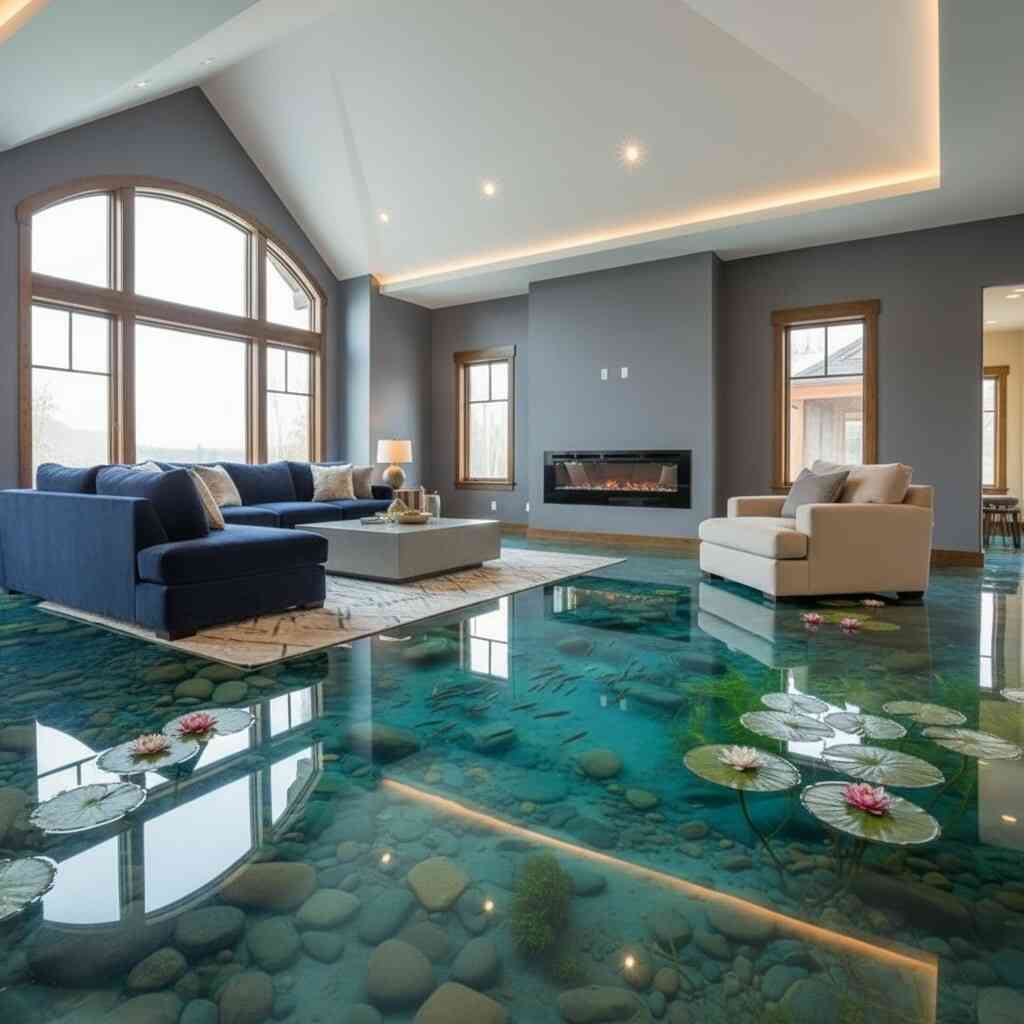
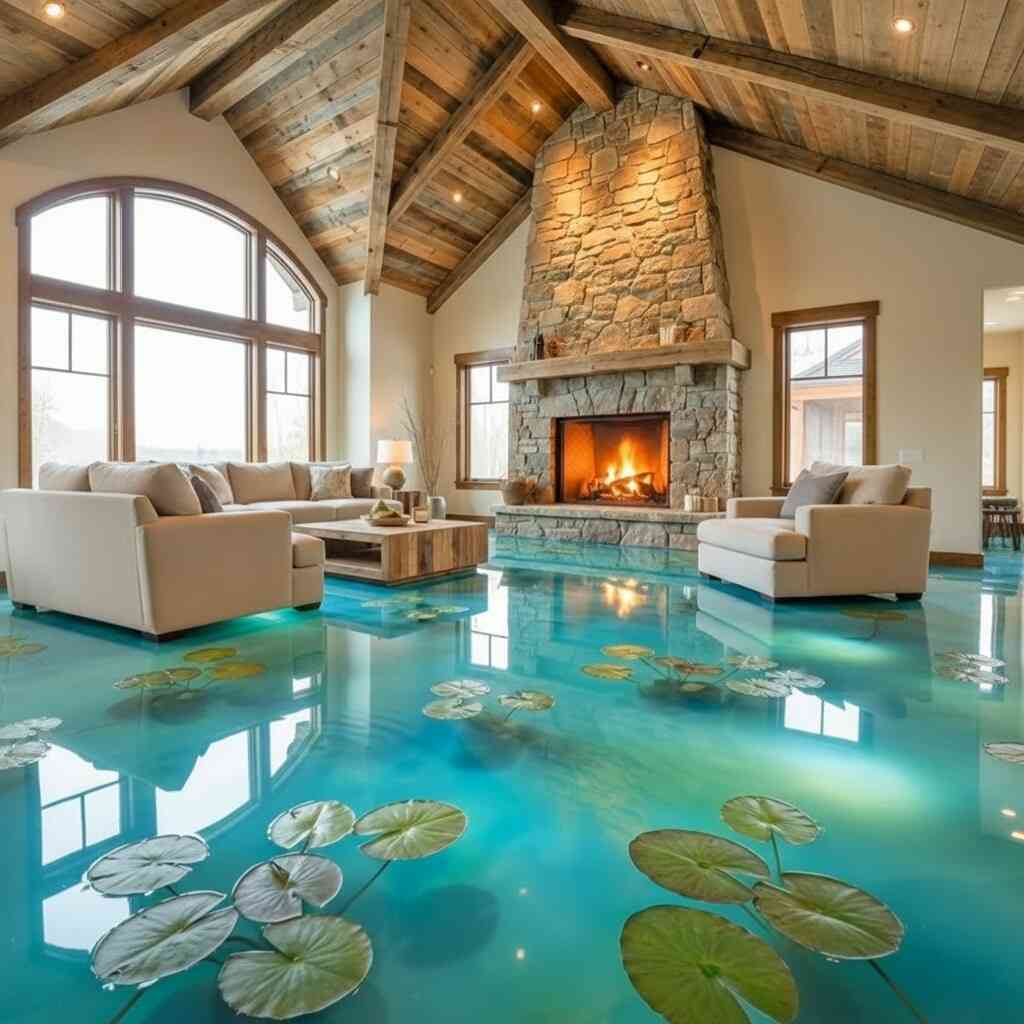
When one hears the term epoxy, common associations often include garage floors, industrial warehouses, or high-gloss countertops—applications where durability, chemical resistance, and aesthetic appeal converge in a seamless finish. However, a far more specialized and technically demanding application exists in the realm of architectural and environmental design: epoxy pond flooring. Despite its name, this is not merely a decorative coating poured into a water feature. Rather, it represents a sophisticated, multi-layered structural system engineered specifically for submerged or semi-submerged environments—ponds, reflecting pools, koi habitats, therapeutic water gardens, and even architectural water installations in public spaces.
The term epoxy pond flooring may sound like a niche variation of standard flooring, but in practice, it signifies an integrated solution where chemistry, hydrology, structural engineering, and biological compatibility converge. Unlike conventional epoxy floor systems—designed primarily for pedestrian or vehicular traffic over dry substrates—epoxy pond flooring must contend with prolonged hydrostatic pressure, constant water immersion, osmotic forces, UV degradation, thermal fluctuation, and, critically, the need to remain inert and non-toxic to aquatic life.
This guide is not intended to serve as a product manual or sales pitch. Instead, it is a deep exploration—the complete guide promised in the title—into the anatomy, mechanics, and operational principles of epoxy pond flooring. We will examine its layered structure in detail; unpack the functional requirements that differentiate it from standard resinous flooring; consider material science imperatives, such as permeability thresholds and cross-link density; and ultimately position this system within the larger discourse of sustainable, long-term water containment. By the end, the reader will understand why epoxy pond flooring is not a surface treatment but a holistic containment architecture—one whose success hinges not on a single component, but on the precise orchestration of every layer, catalyst, and interface.
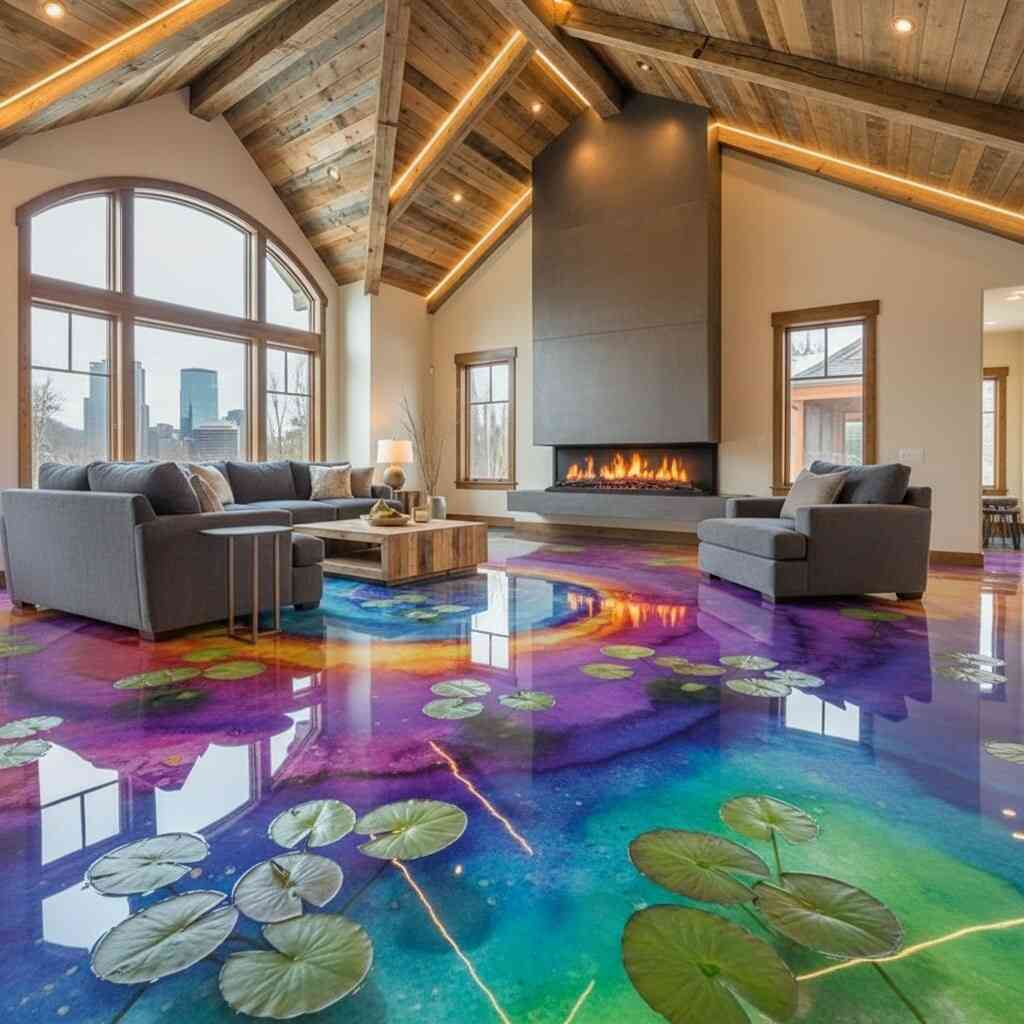
Part I: The Structural Anatomy of Epoxy Pond Flooring
To grasp the function of epoxy pond flooring, one must first deconstruct its architecture. It is not a monolithic pour but a stratified system, typically consisting of four to six interdependent layers, each with a distinct role. Failure in any single layer—however minor—can compromise the integrity of the entire installation, leading to delamination, osmotic blistering, or, in worst cases, catastrophic leakage. Below, we dissect each structural component.
1. Substrate Preparation: The Foundational Imperative
All epoxy systems begin with the substrate—not as a passive base, but as an active participant in structural cohesion. For pond applications, the most common substrates are reinforced concrete, gunite, or (less commonly) structurally sound masonry. The physical and chemical condition of this substrate dictates the feasibility of epoxy application.
Critical preparations include:
- Moisture profiling: Concrete must be fully cured and exhibit a moisture vapor emission rate (MVER) below 3 lbs/1,000 ft²/24 hrs, as measured by ASTM F1869 (calcium chloride test) or, more accurately, ASTM F2170 (in-situ probes). Water-saturated substrates prevent proper adhesion and invite vapor transmission issues.
- Surface profiling: Mechanical abrasion (e.g., shot blasting to ICRI CSP 3–4 profile) is essential. This exposes aggregates, removes laitance, and creates micro-anchoring points—increasing surface area by up to 400% for mechanical bonding.
- Crack remediation: Structural and non-structural cracks require epoxy injection or routing-and-filling with elastomeric sealants. Rigid epoxies alone cannot span dynamic movement; flexibility must be engineered at the crack interface.
- pH neutralization: New concrete is highly alkaline (pH 12–13). Acid etching or neutralizing primers are required to lower surface pH to ≤9.0, preventing saponification (soap formation) at the bond line.
Crucially, substrate preparation is not a preparatory step—it is structural work. In pond construction, the substrate is the first load-bearing layer; the epoxy system cannot compensate for poor substrate integrity.
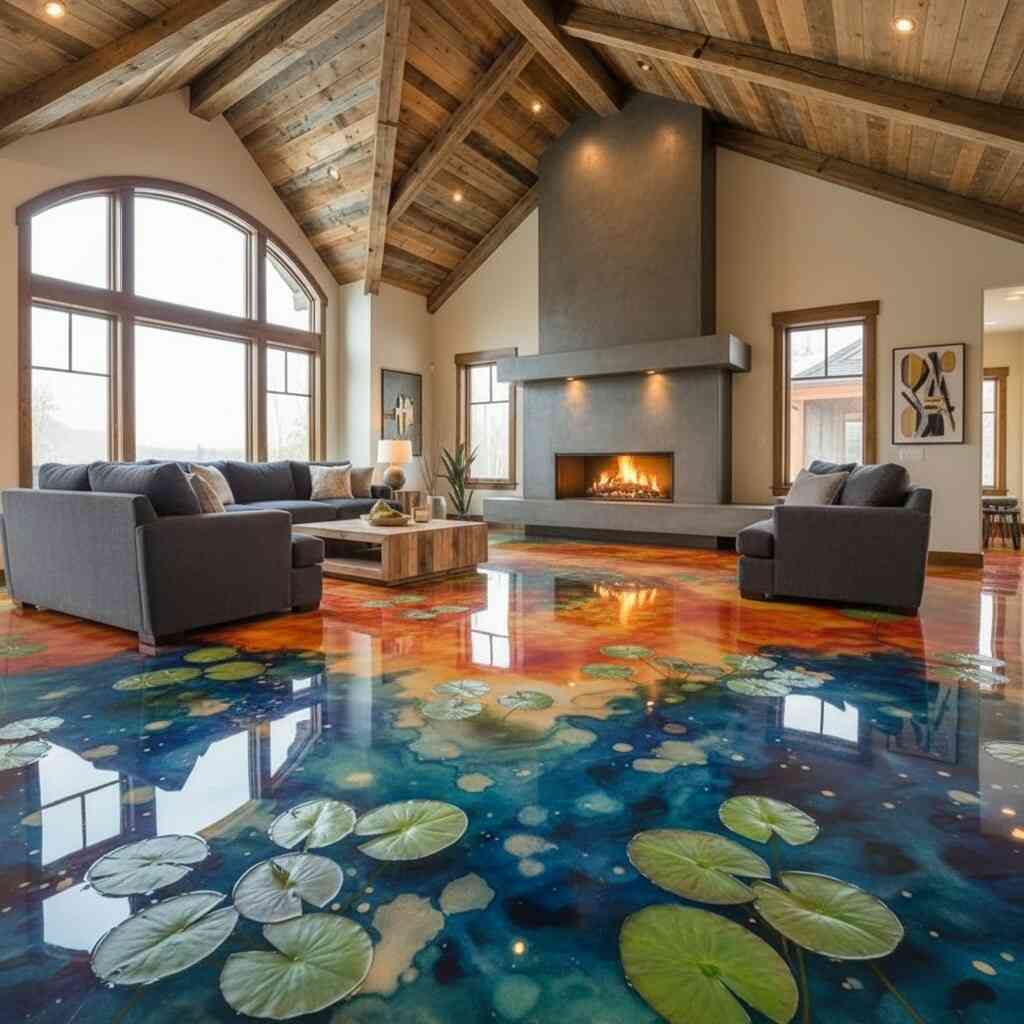
2. Primer Layer: Molecular Adhesion and Moisture Mitigation
The primer performs two fundamental roles: enhancing adhesion and acting as a moisture vapor barrier. Unlike primers for dry-floor applications, pond-grade primers are formulated with ultra-low-viscosity, high-penetration resins—often amine-cured novolac or cycloaliphatic epoxies—that wick deep into capillary pores.
Two types predominate:
- Penetrating sealers: These low-solids (<30%) formulations migrate 2–5 mm into the substrate, forming a hydrophobic barrier within the concrete, not just on its surface.
- Reactive moisture mitigators: Containing silane/siloxane hybrids or proprietary polymeric additives, these chemically bind free hydroxyl ions and calcium hydroxide, suppressing alkalinity-driven degradation.
A well-applied primer reduces interfacial porosity by up to 90%, eliminating pathways for water migration beneath subsequent layers—a phenomenon known as underfilm osmosis, where water vapor condenses and builds pressure at the epoxy-concrete interface, causing blisters.
3. Body Coat (or Build Layer): Load Distribution and Dimensional Stability
This is the structural “muscle” of the system—often 60–120 mils (1.5–3 mm) thick, applied in multiple passes. While standard epoxy floors may use 100% solids aromatic epoxies for cost efficiency, pond applications demand aliphatic or cycloaliphatic epoxy systems, which offer superior UV stability and reduced yellowing.
Key structural features include:
- Aggregate reinforcement: Quartz, silica, or graded ceramic aggregates (typically 20–80 mesh) are broadcast into the wet epoxy. This not only increases compressive strength (up to 12,000 psi) but—more critically—mitigates coefficient of thermal expansion (CTE) mismatch between epoxy and concrete. Without aggregate, pure resin would expand/contract at ~60 × 10⁻⁶/°C versus concrete’s ~10–14 × 10⁻⁶/°C, creating shear stress at the bond line during temperature cycles.
- Crack-bridging additives: Elastomeric modifiers (e.g., CTBN rubber tougheners) are incorporated to impart micro-flexibility—allowing the coating to absorb minor substrate movement without fracturing. This is vital in regions with freeze-thaw cycles or seismic activity.
- Low permeability formulation: Body coats are designed to achieve water vapor transmission rates (WVTR) below 0.1 perms (ASTM E96), effectively functioning as Class I vapor retarders.
The body coat is not merely “thick epoxy.” It is a composite material—epoxy matrix + mineral reinforcement + polymeric tougheners—engineered for dimensional resilience under hydrostatic load.
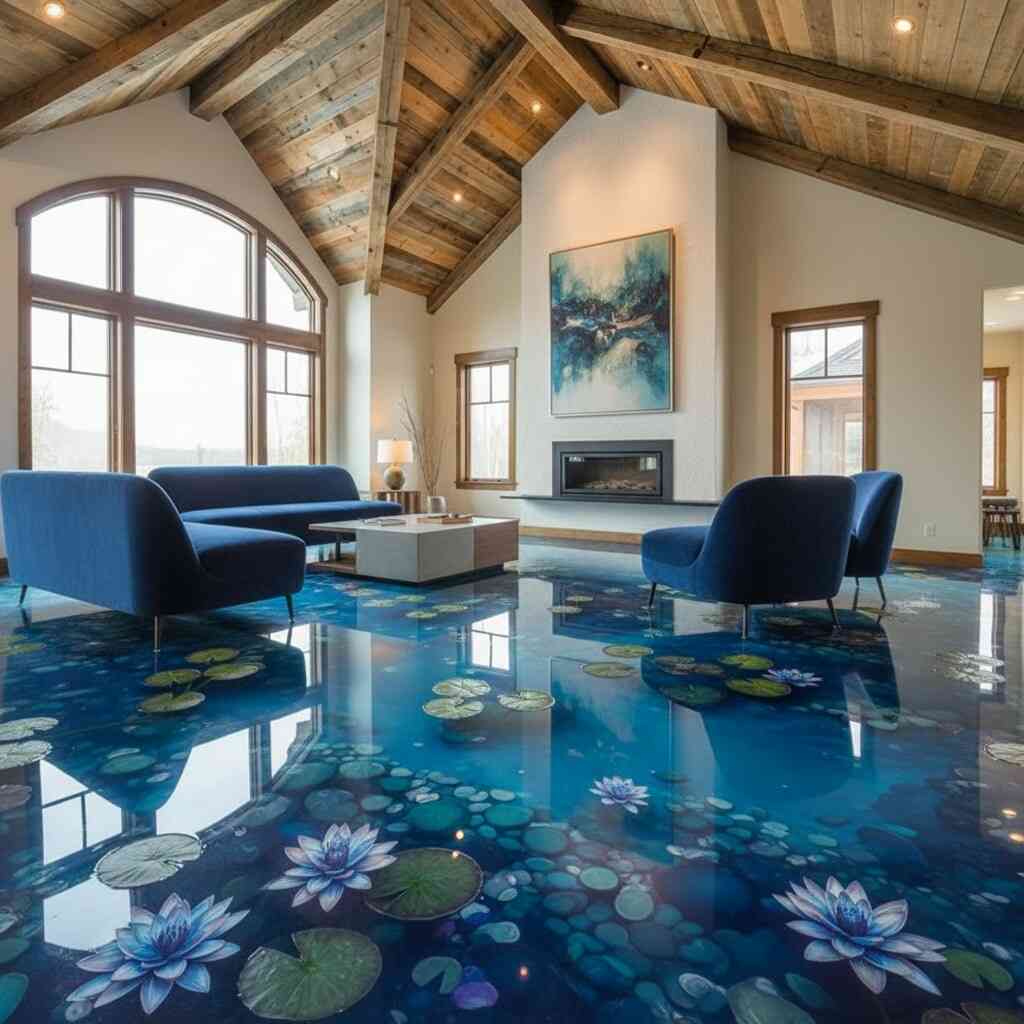
4. Topcoat/Sealer: The Biological Interface
The final layer is where engineering meets ecology. This is the surface in direct, perpetual contact with water—and whatever life it sustains. Its requirements are stringent:
- Complete cure and inertness: Must be fully post-cured (often requiring thermal post-cure at 40–60°C for 48 hrs) to eliminate residual monomers, amines, or solvents that could leach into water and disrupt pH or harm aquatic organisms.
- Low surface energy: Hydrophobic or amphiphilic topcoats reduce biofilm adhesion—minimizing algae, cyanobacteria, and diatom colonization without biocides.
- Abrasion resistance: Must withstand cleaning tools (e.g., soft brushes, siphons) and biological activity (e.g., koi rooting in substrate).
- Optical clarity (optional): For aesthetic ponds, UV-stable polyaspartic or polyurethane topcoats may be used to retain color fidelity and gloss, though pure epoxy topcoats remain preferred for maximum chemical inertness.
Notably, many pond systems omit pigments in the topcoat—opting for translucent or water-clear finishes—to avoid titanium dioxide or iron oxide leaching, even in trace amounts. Regulatory bodies like the EPA and EU Biocidal Products Regulation (BPR) impose strict thresholds for aquatic toxicity (e.g., LC₅₀ > 100 mg/L for Daphnia magna), necessitating exhaustive leachate testing.
5. Optional: Structural Membrane Integration
In high-risk installations (e.g., rooftop ponds, seismic zones), epoxy pond flooring may be integrated with a flexible membrane—typically PVC, TPO, or EPDM—installed beneath the concrete slab or between primer and body coat. The epoxy system then serves as a protective, rigid armor over the membrane, shielding it from UV, puncture, and root penetration, while the membrane provides primary waterproofing redundancy. This hybrid approach exemplifies the defense-in-depth philosophy central to modern pond engineering.
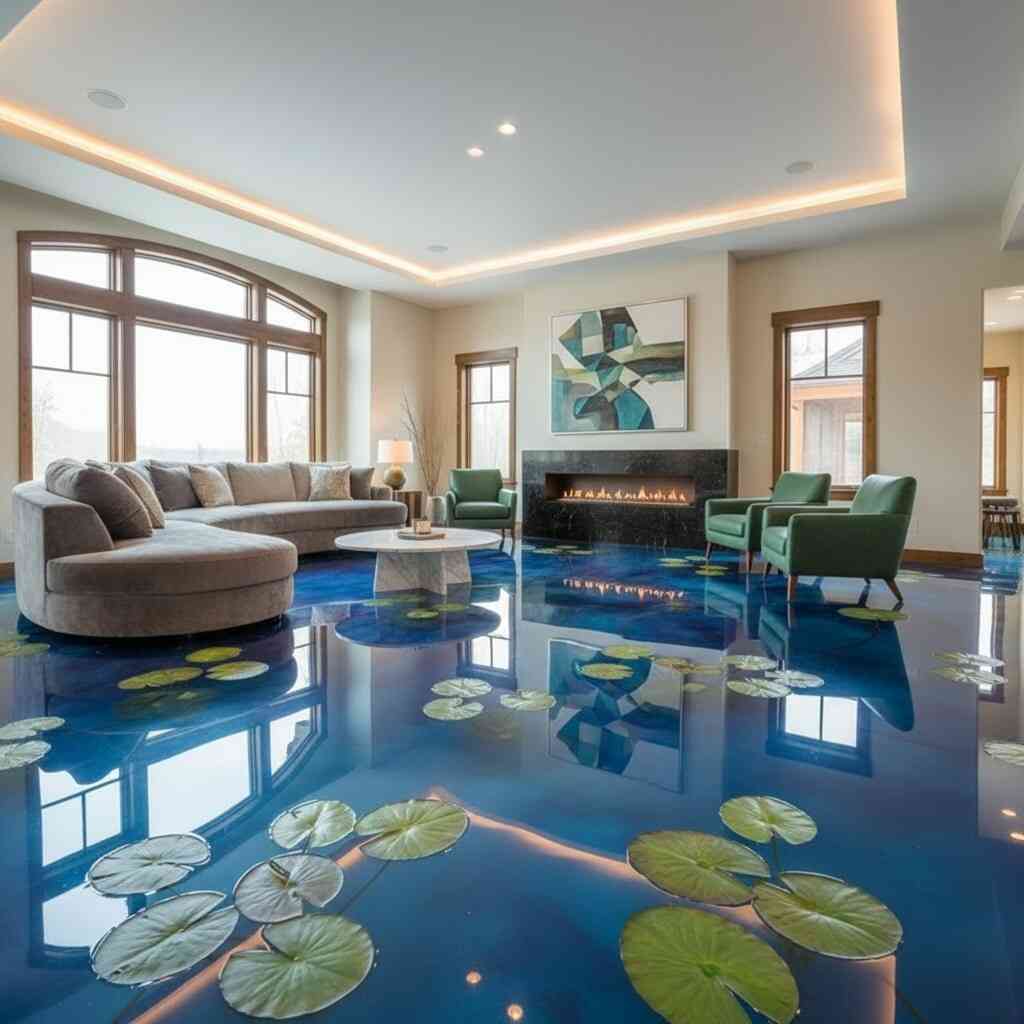
Part II: Functional Principles—How Epoxy Pond Flooring Operates Under Immersion
Structure informs function, but in submerged environments, function also redefines structure. Epoxy pond flooring does not merely resist water—it must coexist with it, indefinitely. Let us examine the core functional imperatives that govern its behavior.
Hydrostatic Pressure Resistance
Unlike above-grade flooring exposed to occasional spills, pond flooring endures continuous hydrostatic head—often 1–3 psi (for shallow ornamental ponds) up to 10+ psi for deeper installations. This pressure acts not just downward but laterally and upward (via capillary rise and vapor drive). A functional epoxy pond system must exhibit negligible permeability to liquid water (permeability coefficient < 1 × 10⁻¹² cm²/s) and suppress vapor drive through molecular cross-link density.
Achieving this requires:
- High-functionality epoxy resins (e.g., tetrafunctional TGMDA-based) that create tighter polymer networks.
- Stoichiometric precision in resin/hardener ratios—off-ratio mixing creates unreacted groups that become diffusion pathways.
- Post-cure protocols to drive conversion >98%, minimizing free volume in the polymer matrix.
Osmotic Stability and Blister Prevention
One of the most misunderstood failure modes in pond flooring is osmotic blistering. It occurs not from external leaks, but from internal ion concentration gradients. Dissolved salts (e.g., Ca²⁺, Cl⁻, SO₄²⁻) in concrete pore solution migrate toward the epoxy interface. Water follows osmotically, accumulating in micro-voids and forming blisters—even under otherwise intact coatings.
Functional solutions include:
- Osmotic barrier primers: Containing nano-clay platelets (e.g., montmorillonite) that create tortuous pathways, slowing ion diffusion by orders of magnitude.
- Concrete densifiers: Applied pre-primer (e.g., colloidal silica), reducing capillary porosity and pore solution mobility.
- Anchored tie-coats: Chemically bonding layers to prevent interlaminate water migration.
Biological Inertness and Long-Term Leachate Profile
Perhaps the most critical function—especially for wildlife or therapeutic ponds—is ecotoxicological neutrality. Epoxy formulations must be validated not just for initial cure, but for decade-long immersion stability.
Key considerations:
- Amine selection: Aliphatic amines (e.g., IPDA, PACM) are preferred over aromatic amines (e.g., DETA, TETA), which can oxidize into nitroso compounds under UV/water exposure.
- Plasticizer-free formulation: Many standard epoxies use phthalates or adipates for flexibility—compounds proven to disrupt endocrine function in fish at ppb levels.
- Accelerated aging tests: 90-day immersion in ASTM Type III water at 40°C, followed by GC-MS analysis for leachables (e.g., bisphenol A, epichlorohydrin residues). Acceptable thresholds are often <1 ppb for endocrine disruptors.
The functionality of epoxy pond flooring is thus measured not in compressive strength alone, but in its absence of interaction—with water chemistry, with biological systems, with time.
Thermal and Dynamic Load Accommodation
Ponds experience diurnal and seasonal temperature swings—concrete expands ~1.2 mm per 10 m per 10°C change. The epoxy system must accommodate this without delamination. This is achieved through:
- Gradual CTE matching: Aggregate loading fine-tunes composite CTE to 18–22 × 10⁻⁶/°C—close to concrete’s range.
- Interlayer flexibility: Elastomeric tie-coats between rigid layers allow micro-slip without bond failure.
- Edge detailing: Coved transitions (minimum 50 mm radius) and expansion joints filled with hydrophobic backer rod + flexible sealant prevent stress concentration.
Functionally, the system behaves like a semi-rigid shell—rigid enough to distribute load, flexible enough to breathe with the substrate.
Conclusion: Epoxy Pond Flooring as a Discipline of Integration
Epoxy pond flooring is not a product. It is not a “type” of epoxy. Rather, it is a discipline—an integration of materials science, hydrostatic engineering, environmental toxicology, and long-term durability modeling. Its name misleads by foregrounding epoxy, when in truth, the resin is merely the binding agent in a far more complex ecosystem of performance requirements.
To reduce it to a surface treatment is to misunderstand its essence. Every layer exists in dialogue with the next: the primer speaks to the concrete’s chemistry; the body coat negotiates mechanical stress; the topcoat mediates biological interface. Together, they form a monolithic yet layered barrier—one that must remain imperceptible in its success: no leaks, no discoloration, no toxicity, no maintenance beyond routine cleaning.
Moreover, epoxy pond flooring challenges the assumption that “waterproofing” is a binary state. In reality, it is a spectrum of resistance—to vapor, to ions, to UV photons, to microbial colonization—each demanding a tailored molecular response. The system’s longevity is not guaranteed by thickness, but by the coherence of its design: from substrate profiling to post-cure validation, every step is interdependent.
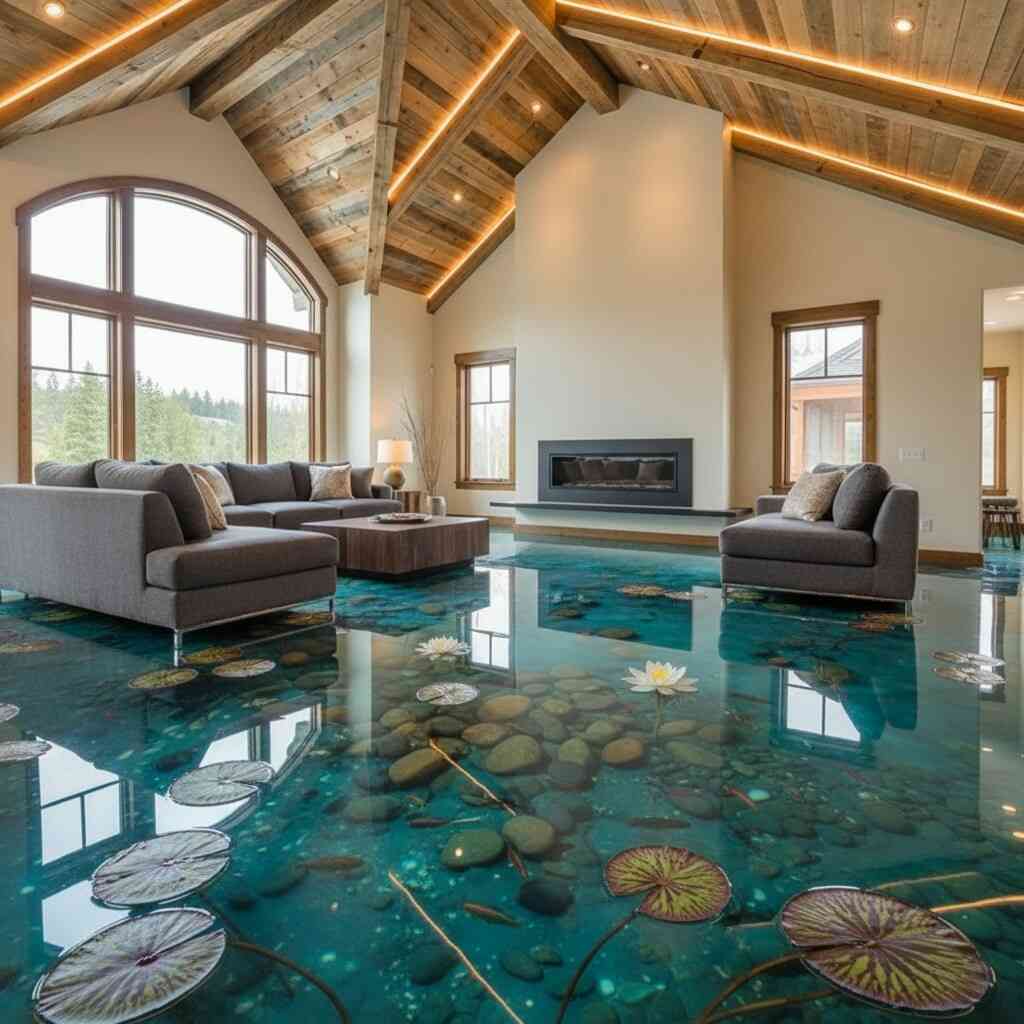
As climate resilience and biophilic design gain prominence in architecture, the demand for safe, durable, aesthetically seamless water containment will only grow. Rooftop wetlands, urban rain gardens, therapeutic hydrotherapy installations—all require containment systems that are invisible in operation yet indomitable in structure. Epoxy pond flooring, when properly understood and executed, fulfills this need not as a compromise, but as a synthesis: where human design meets natural systems, and holds the boundary—not with rigidity, but with intelligence.
In the end, the greatest function of epoxy pond flooring may be its unobtrusiveness—a silent, steadfast enabler of reflection, habitat, and tranquility. And in that silence lies its deepest structure: not just layers of resin and stone, but layers of intention, precision, and respect for the medium it contains—water, in all its complexity.