
Bringing the raw beauty and serene ambiance of the wilderness into indoor living spaces has become a prominent movement in modern interior design. Nature-themed bedding serves as a primary anchor for this aesthetic, transforming standard bedrooms into organic sanctuaries. Among the various interpretations of wildlife-inspired textiles, avian motifs hold a unique appeal due to their intricate feather patterns and distinct silhouettes.
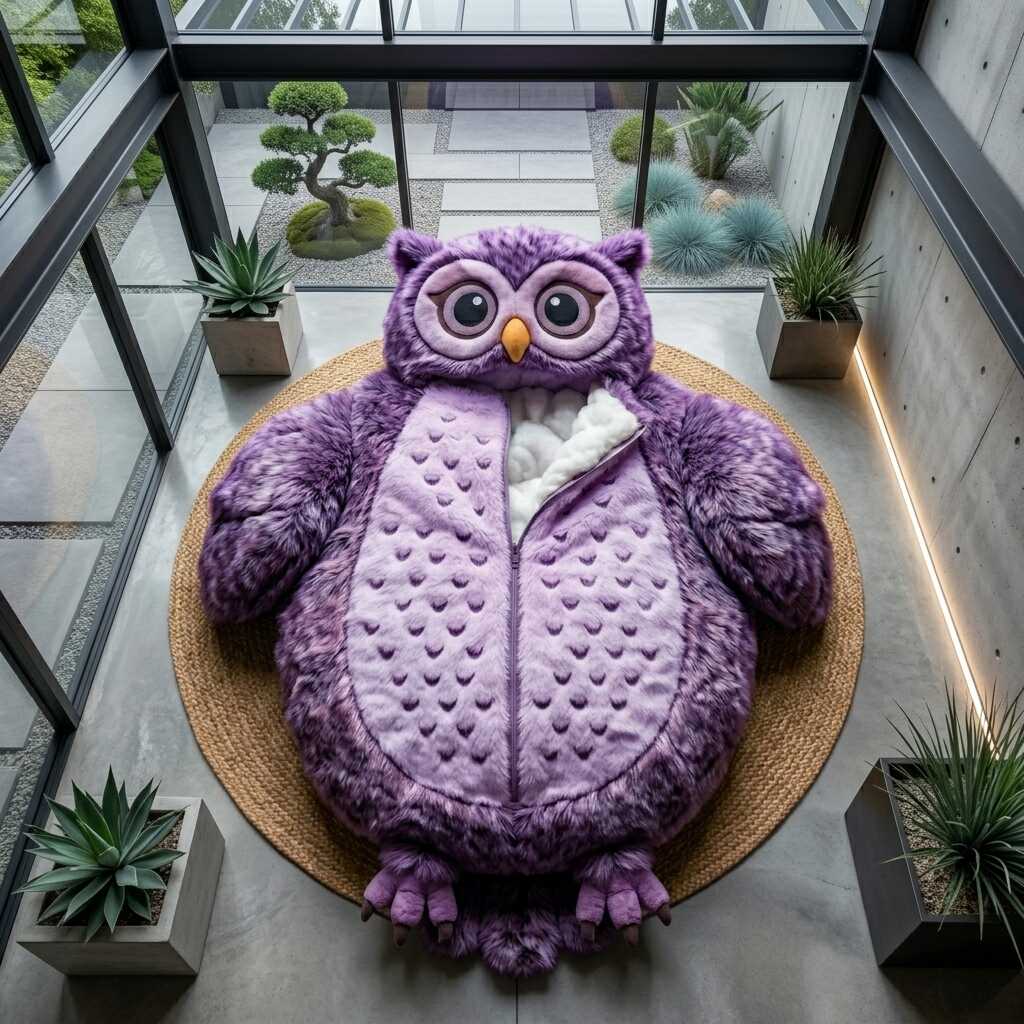
Central to this design movement is a highly specific, visually captivating focal piece: the owl shaped sleeping bag. Moving beyond traditional rectangular or mummy-style profiles, this specialized bedding concept directly mimics the physical characteristics of one of nature’s most enigmatic nocturnal birds. By translating avian anatomy into functional textile art, this item blends sculptural form with textile design, acting as both an expressive centerpiece for nature-themed rooms and an innovative reimagining of portable bedding.
The Architectural Anatomy of Avian Bedding
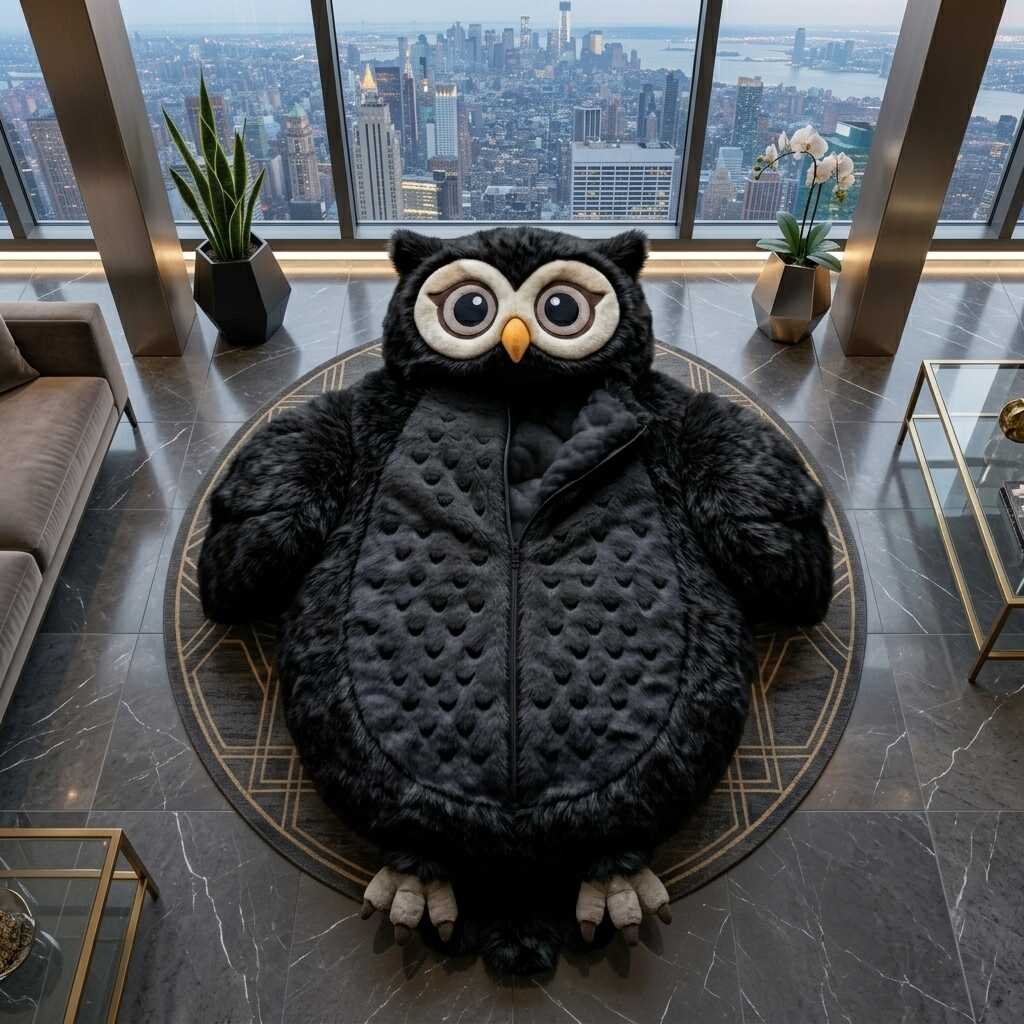
The primary defining attribute of the owl shaped sleeping bag is its literal deviation from conventional geometric bedding structures. The entire perimeter of the bag is tailored to replicate the distinct contour of an owl, presenting a continuous, organic silhouette from top to bottom.
Head and Hood Contours
The uppermost section of the sleeping bag is engineered as an integrated hood that forms the owl’s head. Rather than a simple rounded curve, the fabric is patterned to highlight the iconic dual tufts, or “ears,” characteristic of species like the Great Horned Owl. These structural points are filled with lightweight, low-density insulation to maintain their upright shape without adding rigid framing. The front opening of the hood is carefully proportioned to frame the face while preserving the prominent, rounded facial disc shape that defines avian anatomy.
Wing and Body Profiles
Moving down the torso, the lateral seams of the bag swell outward slightly to replicate the folded wings of a resting bird. This clever patterning provides extra interior shoulder and elbow room while maintaining a sleek external profile. Some advanced designs feature layered fabric panels along the sides, creating a structural overlap that mimics the natural layering of primary flight feathers against the body.
Tail and Foot Box Construction
The base of the sleeping bag tapers into a modified barrel shape, terminating in a squared-off or gently notched foot box. This structural choice reflects the short, sturdy tail feathers of the owl. The bottom is designed to sit flat when occupied, allowing the full silhouette to remain visible and recognizable even when the bag is resting on a floor or mattress.
Intricate Surface Design and Visual Details
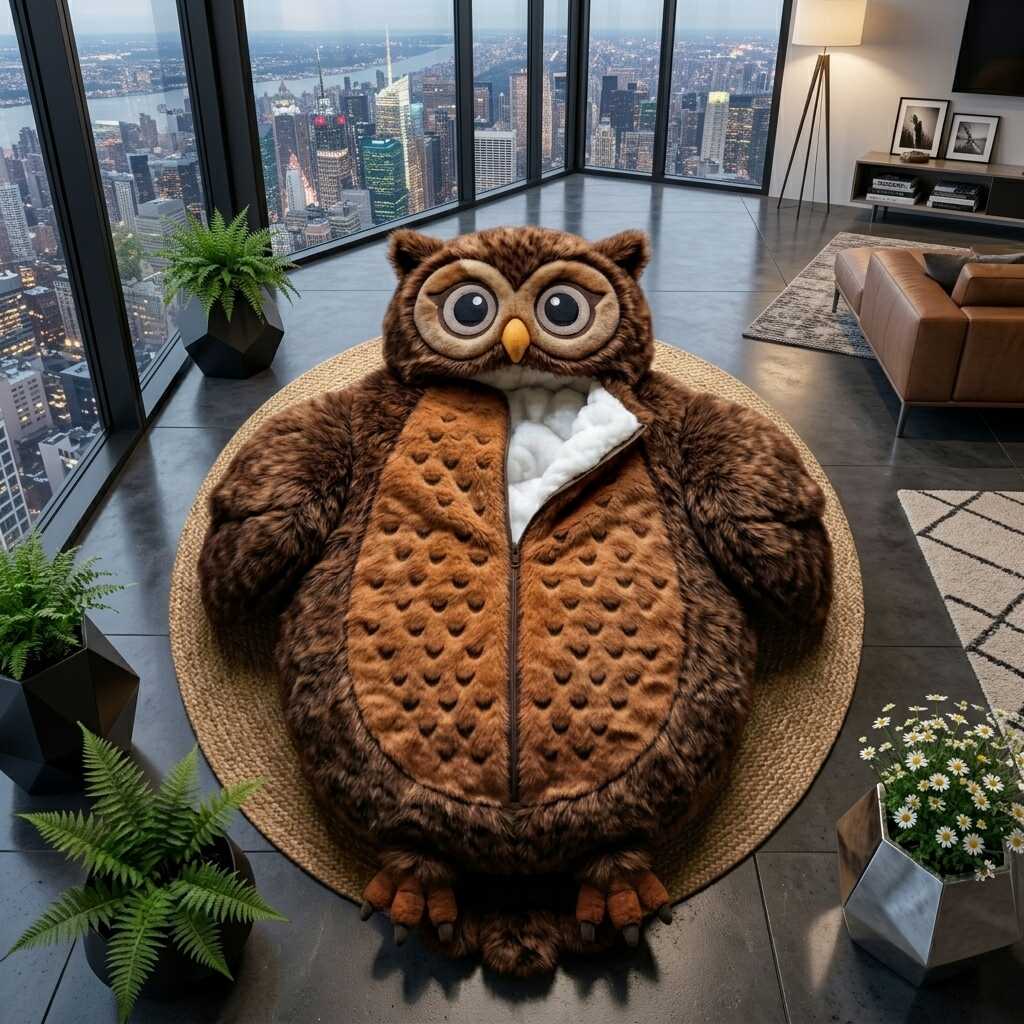
The visual impact of the owl shaped sleeping bag relies heavily on high-fidelity graphic application and surface embellishments. The exterior shell functions as a canvas, utilizing advanced printing techniques and multi-textured fabric overlays to recreate intricate biological details.
Facial Features
The facial disc is the most prominent visual element of the design. Large, concentric circular patterns are applied to the hood area to replicate the wide, expressive eyes of the bird. The irises are often rendered in vivid contrasting tones, flanked by dark radial lines that mimic natural feather patterns. A central, downward-pointing triangular fabric applique is stitched between the eyes to represent the sharp, curved beak, adding a tactile, three-dimensional element to the flat surface.
Plumage Patterns and Texturing
To replicate the complex camouflage of wild owls, the main body of the sleeping bag incorporates detailed plumage graphics. Subdued, V-shaped or crescent-shaped ticking marks cover the abdominal section, simulating the dense down feathers of the bird’s chest. These patterns are systematically arranged in overlapping rows, creating an illusion of depth and texture across the smooth fabric surface.
[ Hood / Head Tufts ]  ->  Replicates "eared" tufts and rounded facial disc
[ Lateral Torso Seams ] ->  Swells outward to simulate folded wings
[ Abdominal Section ]   ->  Features overlapping V-shaped plumage patterns
[ Base Foot Box ]       ->  Terminates in a structured tail-feather profile
Textile Selection and Material Composition
The execution of a successful owl shaped sleeping bag depends entirely on selecting materials that support sharp print resolution, maintain structural integrity, and offer appropriate tactile quality.
Exterior Shell Materials
The outer layer requires a tightly woven, durable fabric that can handle detailed sublimation printing without color bleeding.
-
Ripstop Polyester: A high-density polyester weave is frequently utilized for its smooth surface, which ensures crisp lines and vibrant color reproduction for the complex feather graphics. The inherent resistance to tearing ensures the intricate stitched contours remain intact under tension.
-
Nylon Taffeta: For designs requiring a slight sheen to mimic the glossy texture of feathers, fine-gauge nylon taffeta is used. This material offers a soft hand-feel while providing a resilient barrier for the internal insulation.
Internal Insulation and Loft
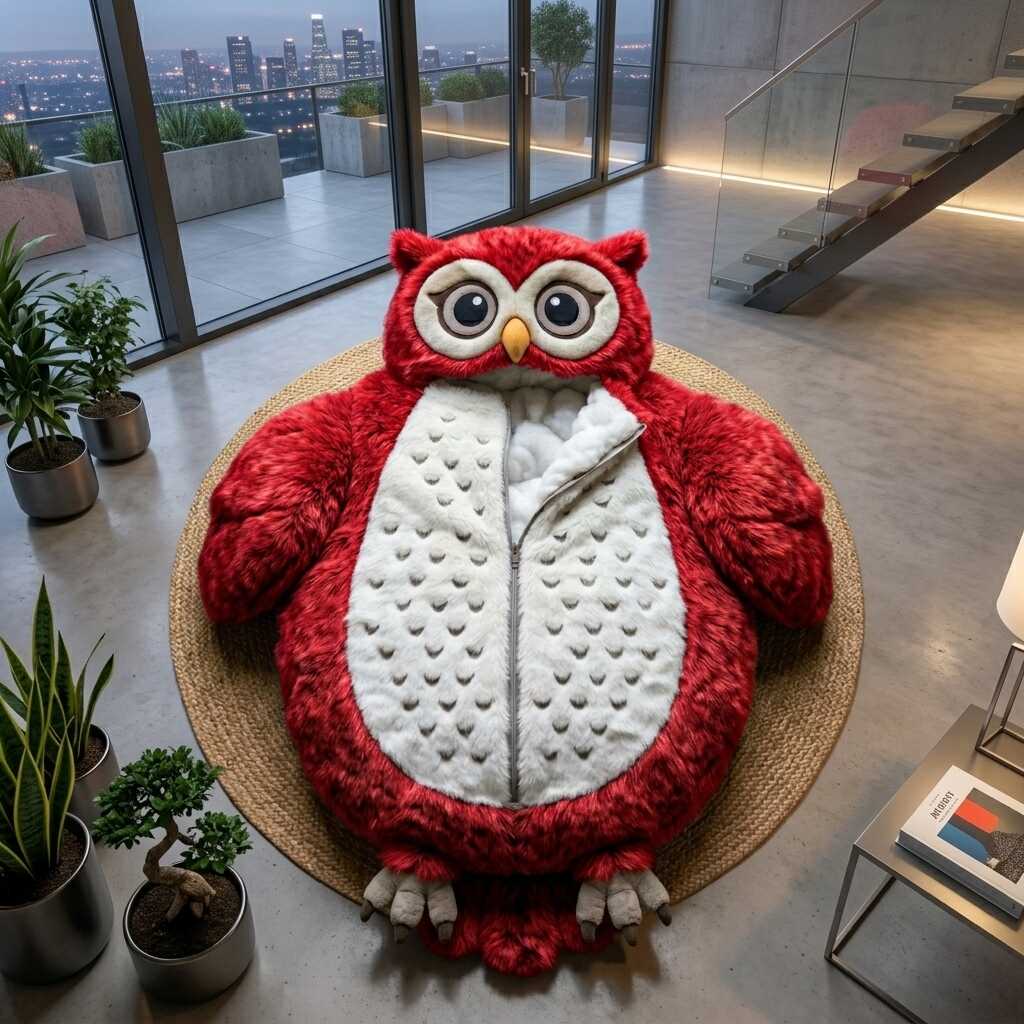
To give the bird silhouette its plump, realistic dimension, the interior is packed with synthetic insulation. Continuous-filament microfiber insulation is favored because it distributes evenly into the irregular contours of the bag, such as the head tufts and wing panels, without clumping. This ensures the distinct shape remains defined when the product is unrolled.
Lining Fabrics
The interior lining prioritizes breathability and softness. Unprinted, brushed polyester flannel or high-thread-count cotton percale is standard. These fabrics are kept a solid, neutral color to contrast cleanly with the highly detailed, printed exterior shell when the bag is zipped open.
Palette Choices Derived from the Wild
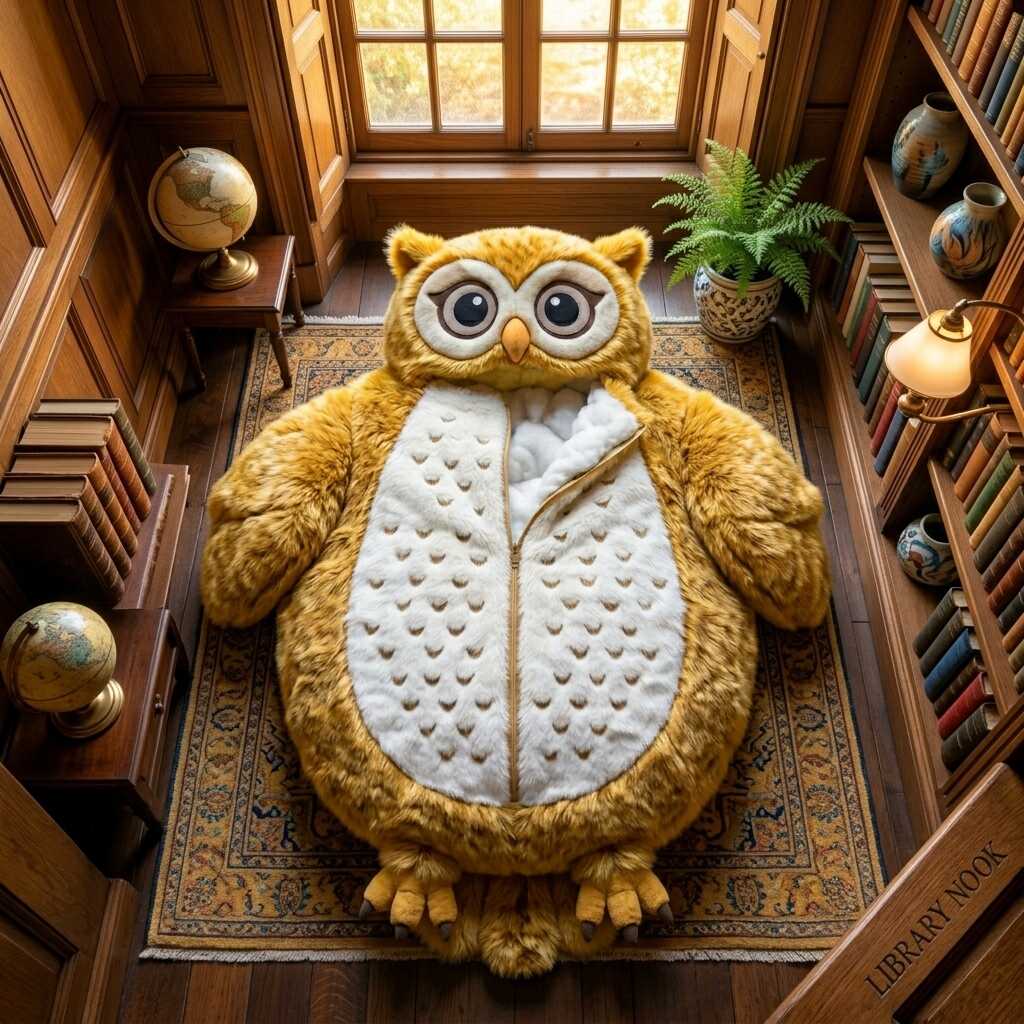
The color schemes applied to the owl shaped sleeping bag are drawn directly from natural forest habitats, categorizing into distinct palettes that match various interior design styles.
Deep Forest and Earthy Tones
Mirroring the camouflage of nocturnal predators, the primary palette consists of rich, organic earth tones:
-
Umbers and Barks: Deep chocolate browns, warm chestnuts, and muted sepias form the structural base, outlining the wings and back.
-
Ochres and Creams: Soft tan, beige, and warm cream tones fill the abdominal section, providing a bright contrast that highlights the darker feather flecks.
Arctic and Winter Palettes
Informed by polar species like the Snowy Owl, this colorway adopts a minimalist, high-contrast approach:
-
Pure and Off-Whites: The main body utilizes varying shades of alabaster, cream, and stark white.
-
Charcoal and Slate: Sharp, dark grey or jet-black horizontal bars break up the white field, creating a striking geometric pattern that fits modern, clean interior spaces.
+------------------+----------------------------------------------------+
| Design Element   | Specification / Application                        |
+------------------+----------------------------------------------------+
| Silhouette       | Continuous anatomical owl shape with head tufts    |
| Shell Fabric     | High-density Ripstop Polyester / Nylon Taffeta     |
| Graphic Method   | High-definition sublimation printing               |
| Primary Palette  | Forest Earth Tones (Umber, Ochre, Sepia, Cream)    |
| Accent Features  | 3D applique beak; layered wing-panel seams         |
+------------------+----------------------------------------------------+
Integrating Avian Themes into Broader Bedding Motifs
An owl shaped sleeping bag does not exist in isolation; it serves as a catalyst for a cohesive nature-focused bedroom layout. The item can be styled alongside complementary textile elements to build a layered, wilderness-inspired environment.
To enhance the visual narrative, the surrounding bed or floor space can incorporate sheets and blankets featuring abstract botanical prints, such as stylized pine needles, fern fronds, or silhouetted tree branches. Pairing the structured, animalian form of the sleeping bag with these softer, organic plant patterns creates a balanced representation of a forest ecosystem.
Furthermore, the color palette of secondary bedding items can be sampled directly from the accent tones of the sleeping bag—such as the striking amber of the eyes or the deep charcoal of the feather tips—ensuring a unified visual flow across the entire room display.
Conclusion
The exploration of nature-themed bedding reaches a pinnacle of structural creativity in the form of the owl shaped sleeping bag. By shifting away from standard linear bedding formats, this design successfully captures the essence of wildlife through thoughtful tailoring, complex plumage graphics, and carefully selected textiles. Every element, from the specialized contours of the hood tufts to the organic color palettes inspired by forest and arctic habitats, works in harmony to replicate a distinct avian form. As an anchor piece for nature-themed interior concepts, this item demonstrates how functional bedding can be transformed into an expressive, sculptural tribute to the natural world.