
Within the shadow-draped corridors of gothic interior design lies a philosophy far richer than mere aesthetic rebellion. It is an embrace of beauty found in transience, a reverence for history’s whispers, and an acknowledgment of life’s profound dualities—light and shadow, fragility and permanence, mortality and eternity. At the heart of this design tradition rests one of its most potent and misunderstood symbols: the skull. Far from a mere shock tactic or Halloween novelty, the skull in gothic decor functions as a memento mori—a contemplative reminder of life’s fleeting nature that paradoxically deepens our appreciation for existence itself.
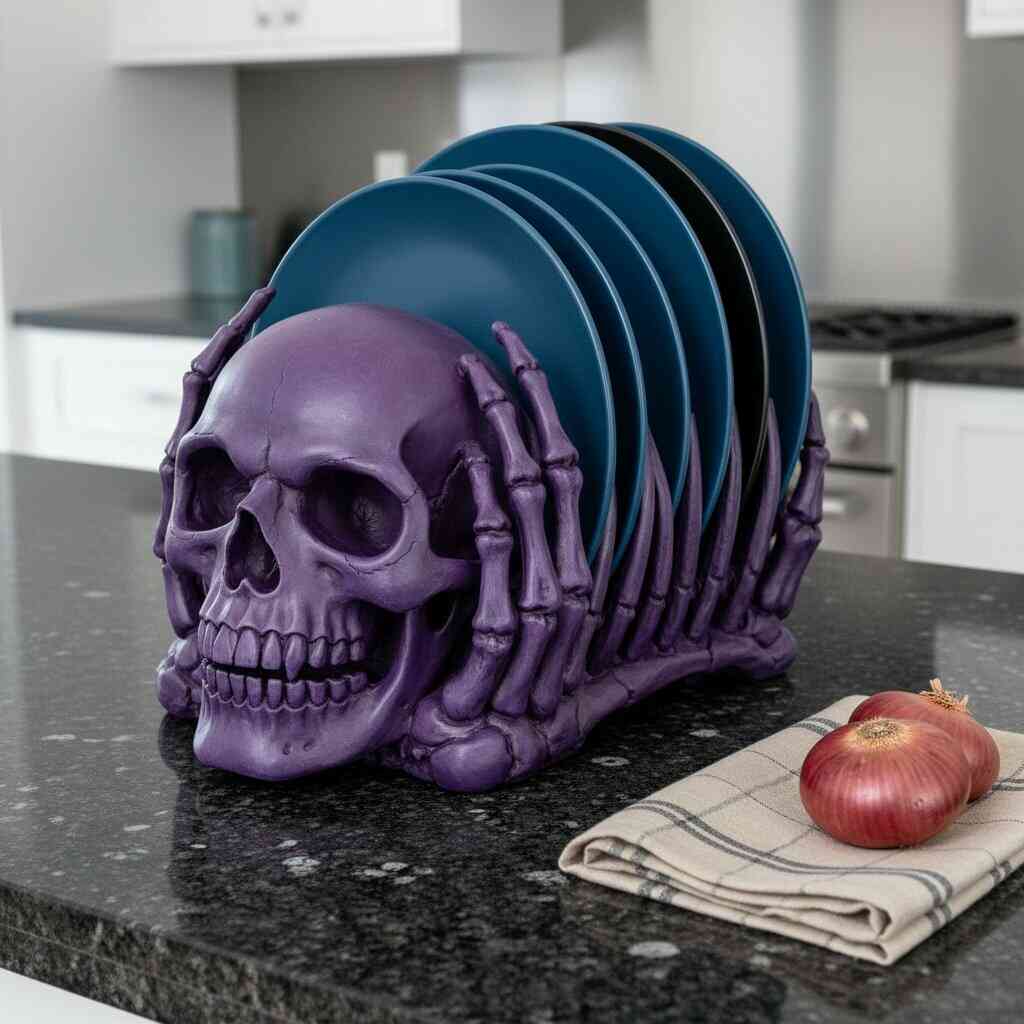
When this ancient symbol is reimagined as a functional object—a skull shaped holder—it transcends decoration to become an anchor of meaning within a space. Styling such an object demands more than simply placing it on a shelf; it requires an understanding of atmosphere, narrative, and the delicate balance between reverence and theatricality. This article explores the nuanced art of integrating a skull shaped holder into gothic interiors not as a prop, but as a deliberate compositional element that enhances the soul of a room. Through thoughtful placement, material harmonies, and symbolic layering, this singular object can become a quiet focal point that invites contemplation while honoring the depth and sophistication inherent in authentic gothic design.
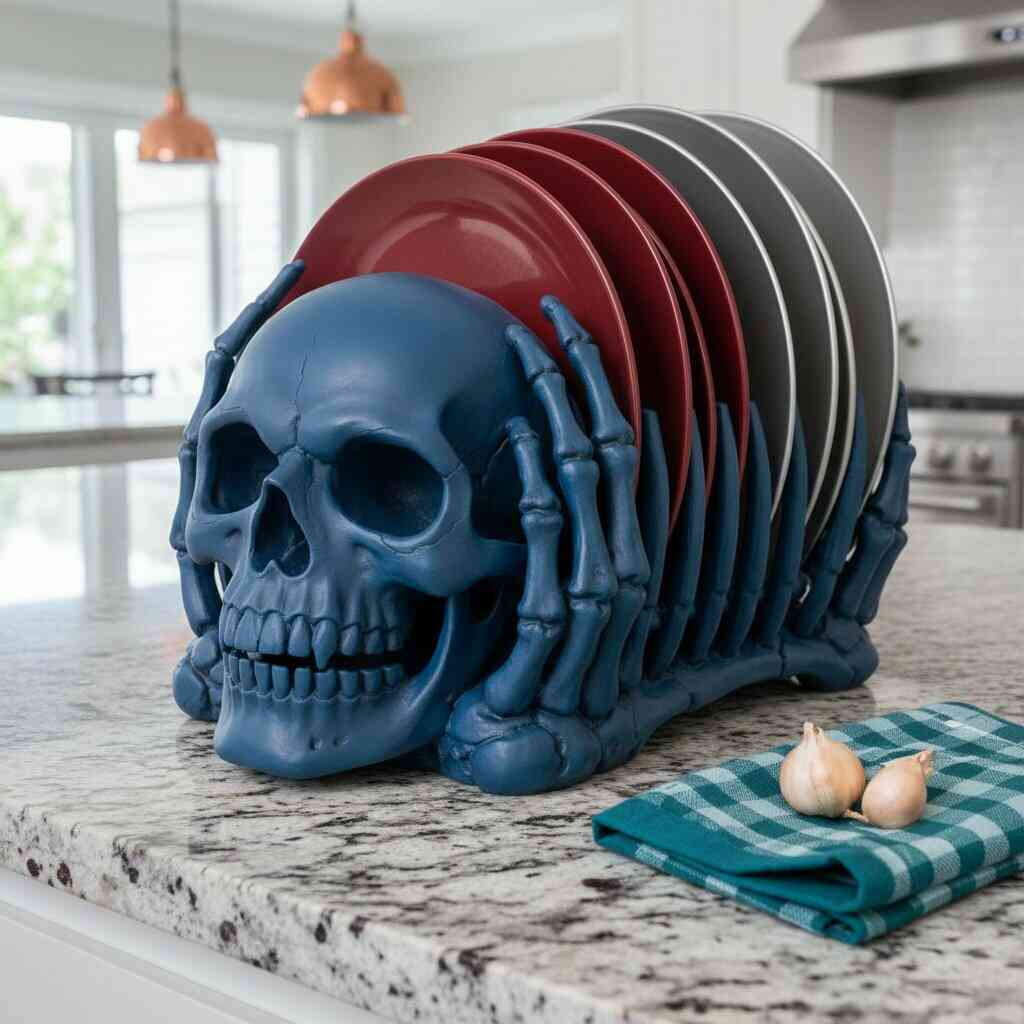
The Symbolism of Skulls in Gothic Aesthetics
To style a skull shaped holder with authenticity, one must first understand the layered symbolism it carries beyond superficial edginess. In medieval and Renaissance Europe, the memento mori tradition used skulls in art and personal objects to remind viewers of mortality’s inevitability—a practice intended not to induce fear, but to inspire virtuous living and mindful presence. This philosophical foundation permeates gothic architecture and design, where gargoyles, tomb effigies, and cathedral carvings transformed skeletal imagery into spiritual commentary. The Victorian era further refined this symbolism during its mourning culture, where jet jewelry, hairwork, and memorial photography incorporated skull motifs as expressions of love persisting beyond death.
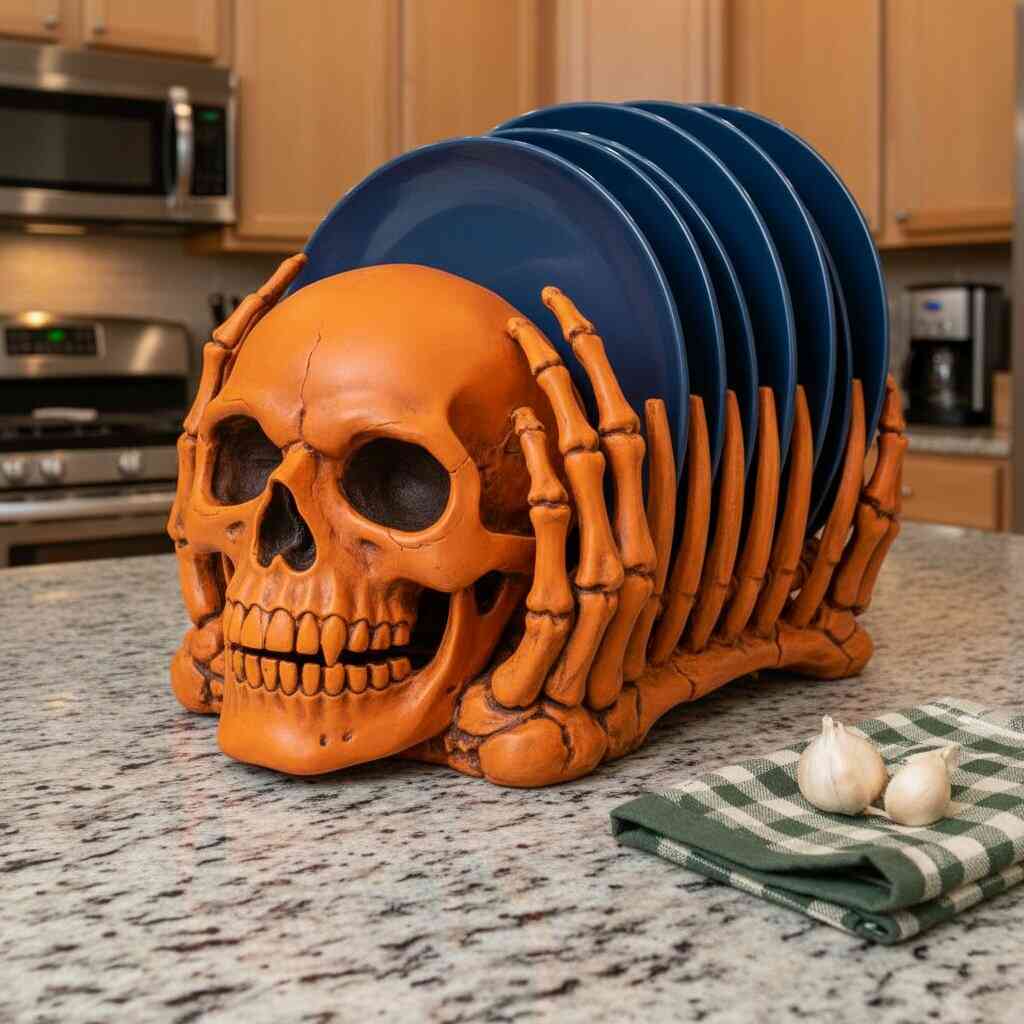
Consequently, the skull shaped holder inherits this rich legacy: it is not a celebration of darkness for its own sake, but a vessel for memory, continuity, and the beauty found in life’s cycles. When placed within a gothic interior, it should evoke this contemplative quality—suggesting not morbidity, but a mature acknowledgment of existence’s full spectrum. A well-styled skull shaped holder might cradle dried botanicals that themselves speak of transience, or rest beside volumes of Romantic poetry that grapple with eternity. Its power lies not in shock value, but in its capacity to anchor a room in meaning, transforming empty space into a site of reflection. Understanding this depth prevents the object from becoming kitsch; instead, it becomes a silent participant in the room’s narrative—a guardian of stories, both told and untold.
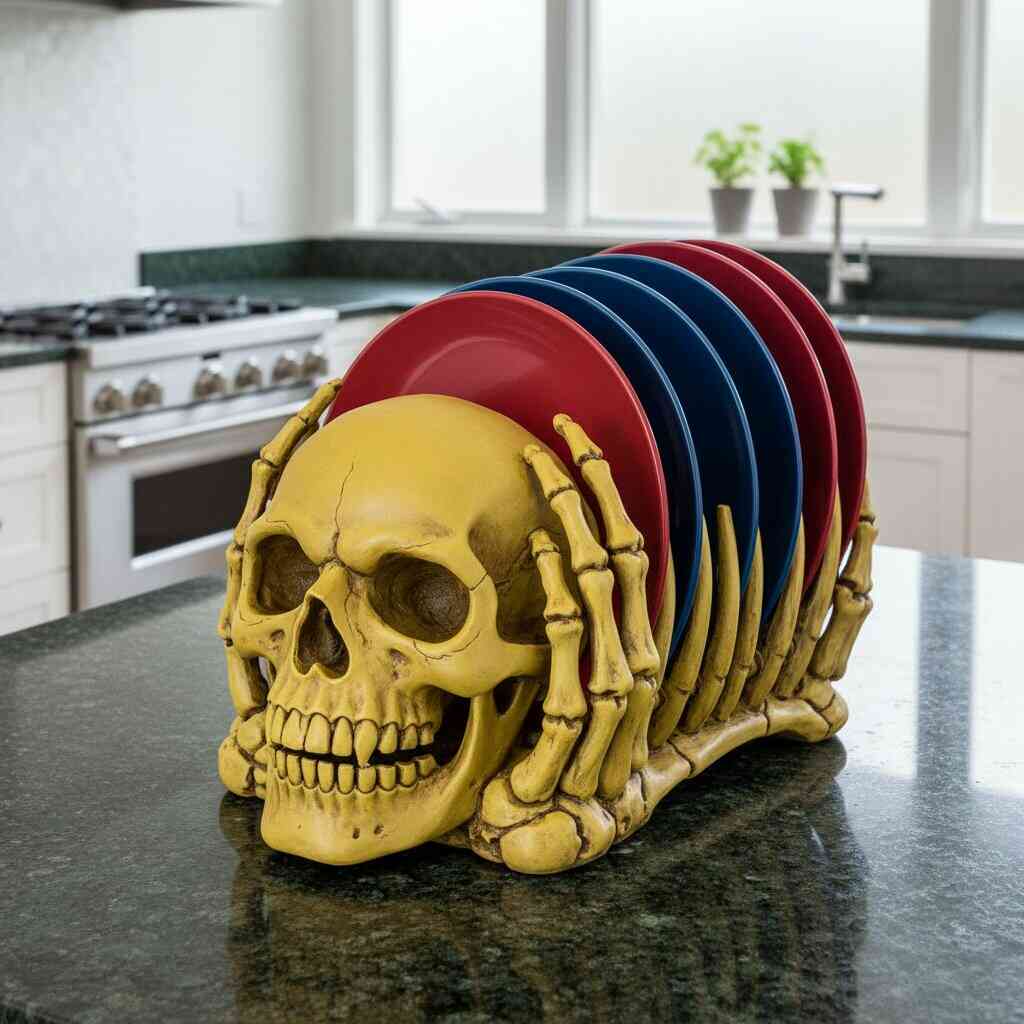
Materiality and Form: Selecting Your Skull Shaped Holder
The physical presence of a skull shaped holder fundamentally shapes its integration into a gothic space. Material choice communicates intention before a single accessory is added. A holder carved from dark, polished obsidian or onyx carries a geological weight—its cool smoothness and light-absorbing depth suggesting ancient, elemental forces. Such materials pair naturally with velvet drapery and wrought iron, creating a cohesive sensory experience of texture and temperature. Conversely, a skull shaped holder cast in aged bronze or tarnished silver introduces the poetry of patina—the green verdigris or smoky oxidation telling a story of time’s passage. These metallic interpretations resonate with gothic architecture’s love of weathered surfaces, echoing cathedral bells or forgotten reliquaries. Porcelain or ceramic versions, particularly those with subtle crackle glazes or hand-painted details, nod to Victorian mourning ware and botanical illustration traditions, offering a delicate counterpoint to heavier elements. The form itself matters profoundly: a hyper-realistic anatomical skull may feel clinical or confrontational, while a stylized interpretation—elongated cranium, softened orbits, or art nouveau flourishes—invites aesthetic appreciation over visceral reaction. Some skull shaped holder designs incorporate functional elegance, with the cranial cavity transformed into a vessel for incense cones or the nasal aperture widened to hold taper candles, their flame casting dancing shadows that animate the form. When selecting your piece, consider not only its visual harmony with existing elements but its tactile presence—how light falls across its contours at different hours, how its weight feels when lifted, how its material converses with surrounding textures. This object should feel earned within the space, as though it has always belonged there, waiting quietly for observant eyes to uncover its significance.
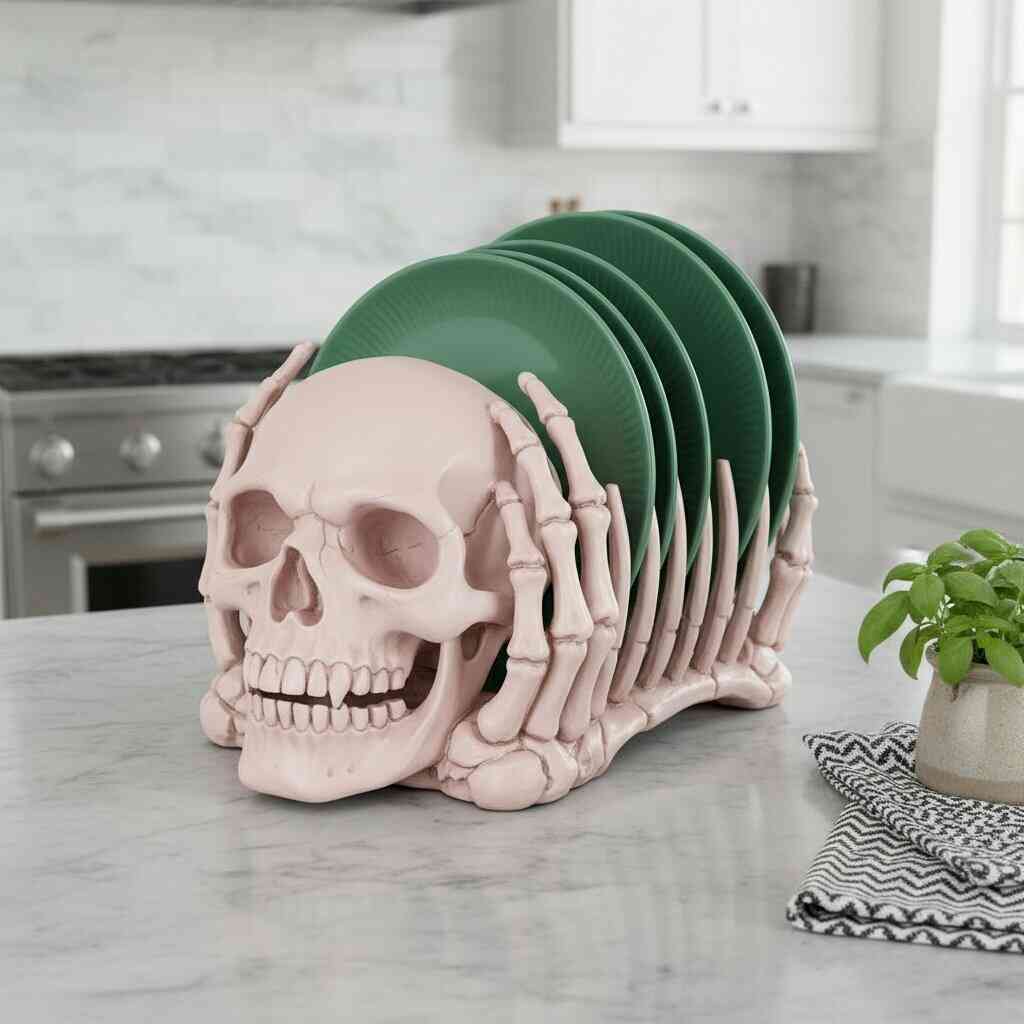
Strategic Placement: Creating Focal Points and Narrative Flow
Where a skull shaped holder resides within a room determines its emotional resonance and functional role in the design narrative. Avoid relegating it to isolated corners where it becomes a hidden secret or, conversely, placing it as a jarring centerpiece that dominates without context. Instead, consider placement as an act of storytelling. A skull shaped holder positioned on a mantelpiece, flanked by taper candles in iron holders and a backdrop of dark botanical prints, becomes part of a ritualistic tableau—suggesting quiet evenings of contemplation. On a writing desk, it might hold antique quills or dried lavender sprigs, transforming into an object of creative inspiration rather than mere ornament. Bookshelves offer particularly rich opportunities: nestled between leather-bound volumes of Poe or the Brontës, the skull shaped holder functions as a silent commentator on the literature surrounding it, its presence deepening the thematic atmosphere. Consider vertical placement as well—a skull shaped holder mounted on a wall within a shadow box frame, surrounded by pressed ferns and fragments of handwritten letters, creates an intimate memorial vignette. In entryways, it can serve as a threshold guardian, holding keys or letters while establishing the home’s aesthetic identity from the first moment of arrival. Crucially, lighting dictates perception. A skull shaped holder illuminated by direct overhead light may appear stark or aggressive, while side lighting from a single candle or directional lamp sculpts its contours with drama, casting elongated shadows that shift with the hour. The most successful placements feel intentional yet effortless—as though the object has naturally settled into a position of quiet authority within the room’s ecosystem, neither demanding attention nor hiding from it.
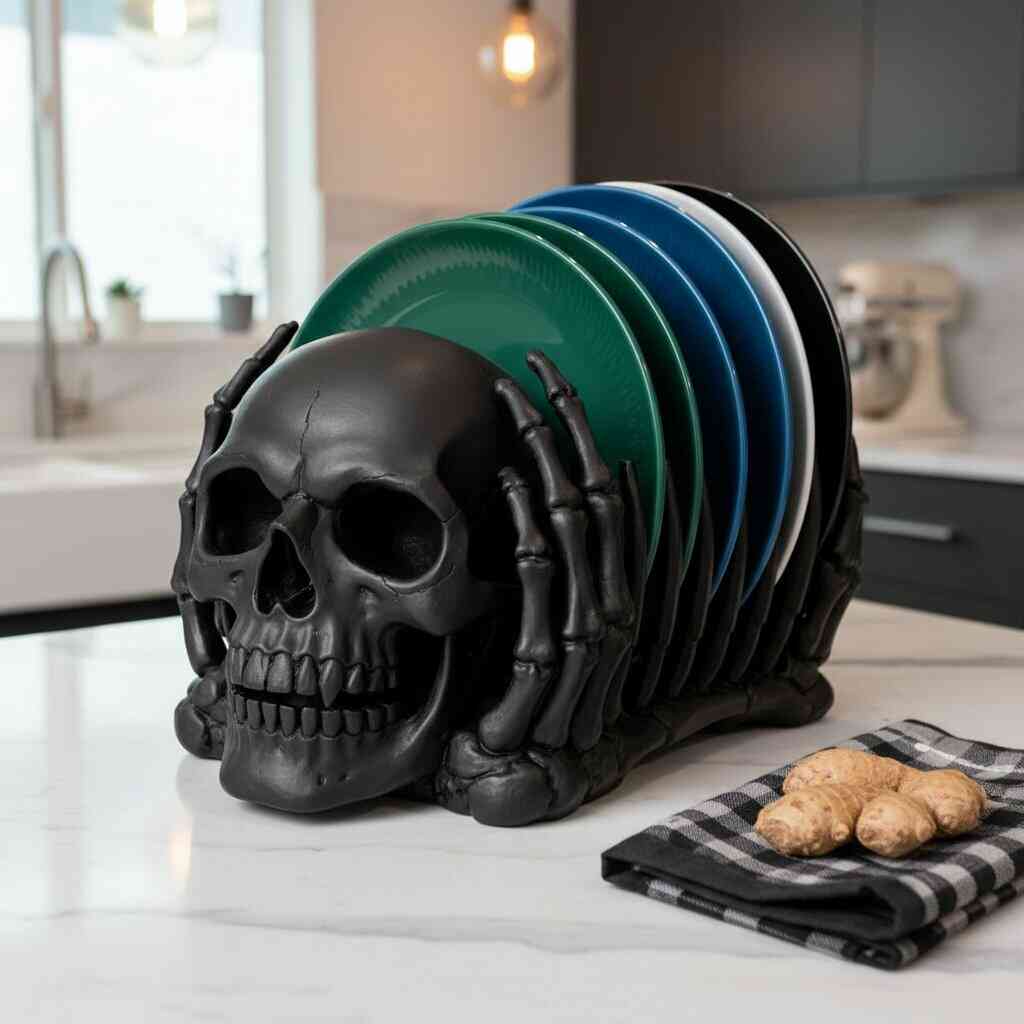
Harmonizing with Complementary Gothic Elements
A skull shaped holder achieves its fullest expression when woven into a tapestry of complementary gothic elements that share its philosophical underpinnings. Begin with texture: the smooth contours of a ceramic skull shaped holder gain depth when placed atop a frayed velvet runner or beside a bundle of dried pampas grass whose feathery plumes contrast with its rigid form. Incorporate botanical motifs that echo themes of transience—dried roses preserved at their peak, sprigs of rosemary for remembrance, or branches of bare birch that speak to winter’s beauty. These organic elements soften the skull’s starkness while reinforcing its symbolic message. Architectural fragments enhance authenticity: a small piece of carved stone, a fragment of stained glass leaning against a wall, or a miniature archway constructed from driftwood creates a sense of discovered history around the skull shaped holder. Textiles play a crucial role—deep jewel tones like burgundy, forest green, and sapphire blue in heavy fabrics (velvet, brocade, tapestry wool) provide a lush backdrop that prevents the skull motif from feeling cold or clinical. Metallic accents should feel aged rather than shiny; tarnished silver frames, oxidized copper vessels, and blackened iron candlesticks create material harmony. Crucially, balance is essential. For every element suggesting mortality or shadow, introduce one representing life or light: a single fresh flower in a tarnished vase beside the skull shaped holder, a shaft of morning light falling across its surface, or the warm glow of beeswax candles. This interplay embodies the true gothic spirit—not an obsession with darkness, but a recognition that beauty intensifies when contrasted with shadow. The skull shaped holder thus becomes not an isolated symbol of death, but part of a holistic meditation on existence itself.
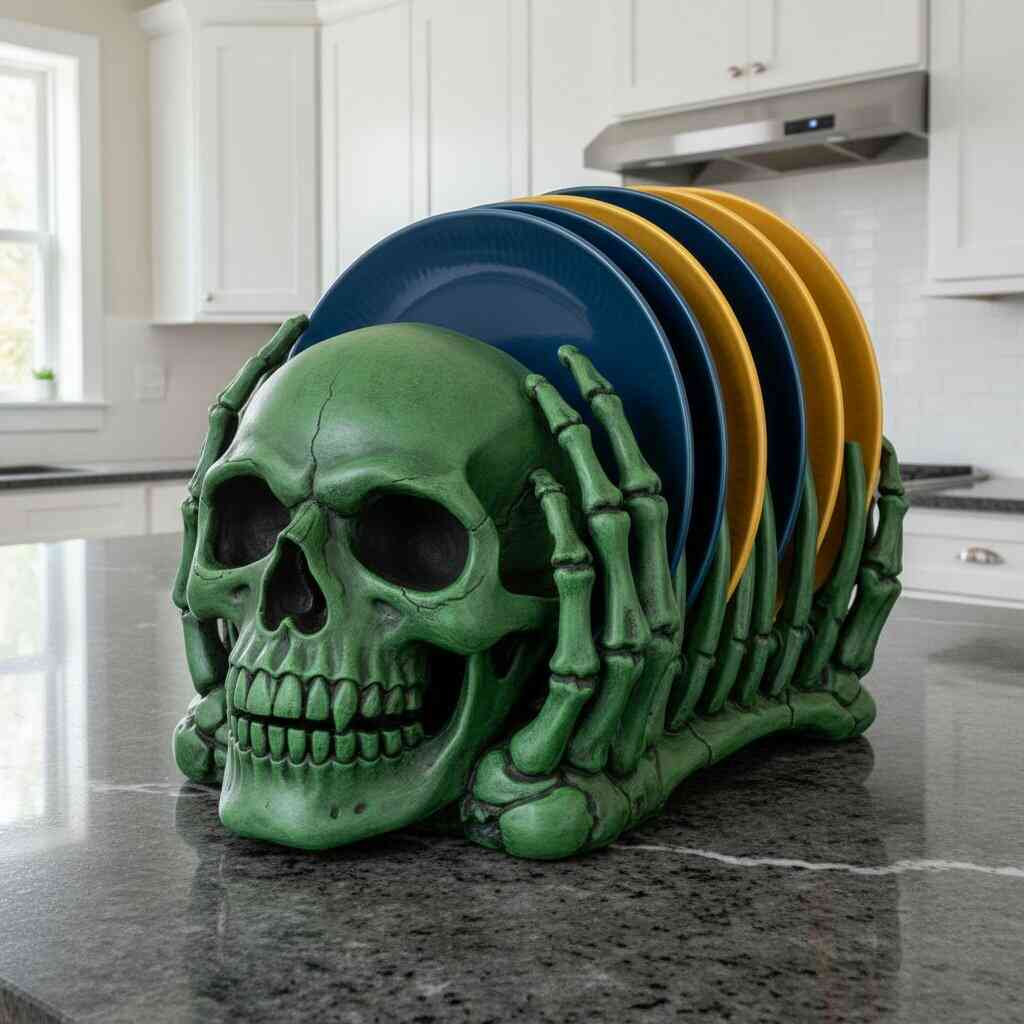
Color Palettes and Atmospheric Layering
The surrounding color environment profoundly influences how a skull shaped holder is perceived and felt within a space. Traditional gothic palettes extend far beyond flat black; they embrace the nuanced interplay of shadow and subtle color that occurs in candlelit chambers and stone interiors. Charcoal grays with blue or green undertones create depth without flatness, allowing the skull shaped holder to emerge organically from its background rather than starkly contrasting against it. Deep aubergine, when used on walls or heavy drapery, provides a regal backdrop that complements bone-white or metallic holders with sophisticated warmth. Forest green—reminiscent of moss-covered crypts and ancient woods—pairs exquisitely with aged brass or bronze skull shaped holder designs, evoking a sense of nature reclaiming human artifacts. For spaces feeling overly somber, introduce accents of blood crimson or antique gold sparingly: a single embroidered pillow, the gilded edge of a mirror frame, or the flame of a candle held within the skull shaped holder itself. These touches prevent the aesthetic from tipping into monotony while honoring gothic tradition’s embrace of opulence amid austerity. Consider the psychology of color interaction: a white ceramic skull shaped holder against charcoal walls appears ghostly and ethereal; the same piece against deep burgundy feels more visceral and grounded. Layering is equally vital—gothic spaces thrive on accumulated history. Drape a lace doily (slightly yellowed with age) beneath the skull shaped holder, place it atop a stack of books with worn spines, or surround it with objects of varying heights to create visual rhythm. This layering suggests a space lived in over time, where the skull shaped holder is not a new acquisition but a natural component of an evolving personal sanctuary. The goal is atmosphere—not a decorated room, but an environment that feels breathed-in, storied, and emotionally resonant.
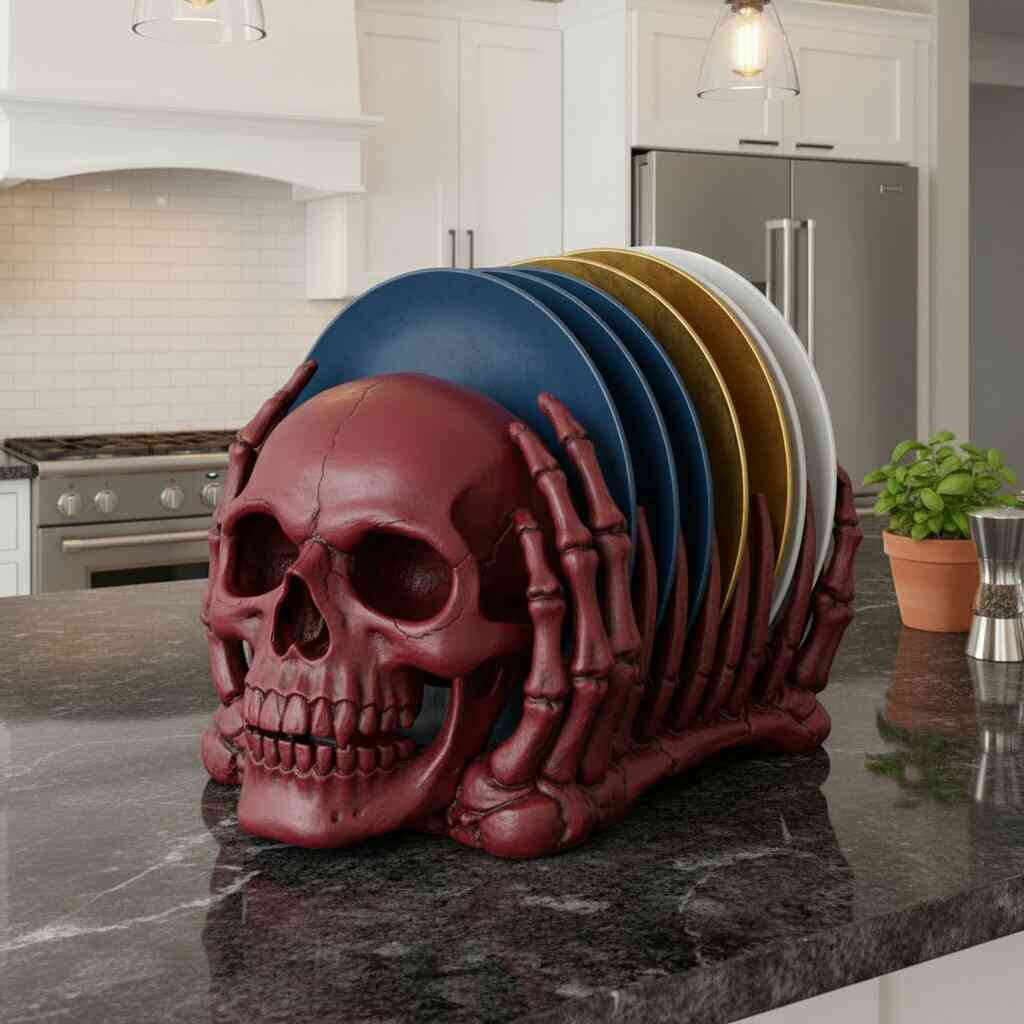
Conclusion
Styling a skull shaped holder within gothic home decor ultimately transcends mere arrangement—it becomes an act of philosophical curation. When approached with sensitivity to its symbolic weight, material presence, and narrative potential, this object ceases to be decoration and transforms into a quiet anchor of meaning within domestic space. It invites us to embrace design not as surface aesthetics alone, but as an extension of how we contemplate existence itself: with reverence for beauty’s impermanence, respect for history’s whispers, and courage to find elegance in life’s full spectrum. The most successful integration occurs when the skull shaped holder feels inevitable within its environment—not placed for shock or trend, but settled as a natural component of a thoughtfully composed interior. It might hold dried botanicals that echo its themes of transience, stand illuminated by candlelight that animates its contours with living shadow, or rest beside volumes of poetry that give voice to its silent contemplation. In these moments, the object fulfills its highest purpose: not as a symbol of death, but as a catalyst for deeper living—a reminder that acknowledging mortality can intensify our appreciation for texture, light, memory, and the profound beauty of a well-lived moment. As you incorporate a skull shaped holder into your gothic sanctuary, let it serve not as an endpoint of design, but as a beginning—an invitation to layer meaning, to balance shadow with light, and to craft spaces that honor both the ephemeral and the eternal. In doing so, you participate in a centuries-old tradition that understands true elegance lies not in avoiding darkness, but in learning to see the intricate beauty it reveals.