
Where Imagination Roars to Life
Every child’s bedroom holds the potential to become more than just a place to sleep—it can transform into a sanctuary of dreams, a launchpad for adventures, and a canvas for boundless imagination. In recent years, themed bedrooms have surged in popularity, offering young minds immersive environments that spark creativity and wonder. Among the most captivating themes is one that taps into the primal fascination children (and adults!) have with prehistoric giants: the mighty Tyrannosaurus rex. More than just a decorative motif, the concept of T-rex sleeping beds brings this ancient predator into the heart of a child’s nightly routine—not as a fearsome monster, but as a playful, protective guardian of slumber.
The phrase “fun & fierce” perfectly encapsulates the spirit of T-rex sleeping beds. These aren’t merely pieces of furniture; they are storytelling devices, architectural whimsy, and emotional companions rolled into one. They channel the raw power and iconic silhouette of the T. rex while softening its edges with vibrant colors, cozy textures, and imaginative design flourishes that invite play and comfort. This article explores how T-rex sleeping beds can anchor a bedroom theme that balances excitement with tranquility, ferocity with friendliness, and fantasy with function. Through thoughtful design elements, complementary decor, and an understanding of childhood psychology, we’ll delve into how these beds create spaces where little ones feel both thrilled and safe—where bedtime isn’t an end to the day, but the beginning of a Jurassic journey.
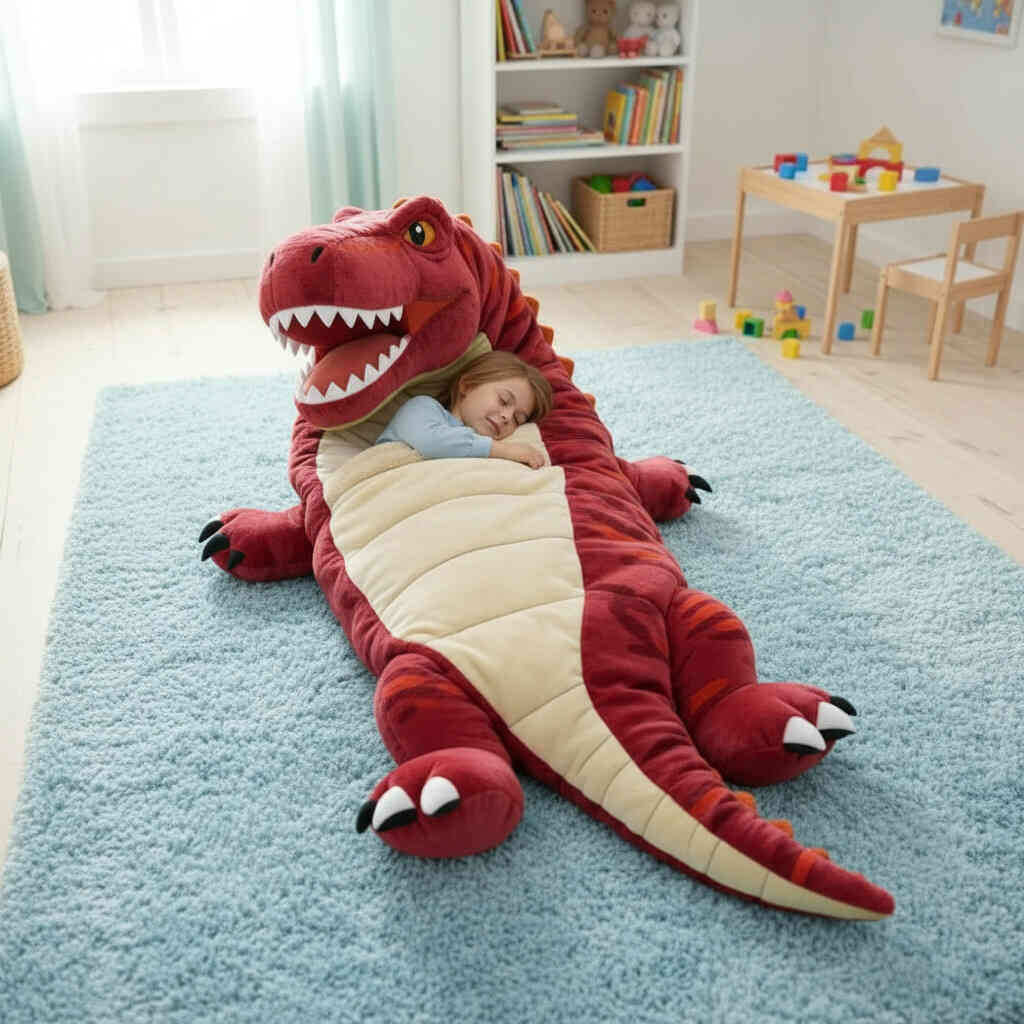
Part 1: The Allure of the T-Rex – Why Dinosaurs Captivate Young Minds
Before diving into bedroom design, it’s essential to understand why the T. rex, in particular, holds such enduring appeal for children. Unlike mythical creatures or cartoon characters, dinosaurs occupy a unique space in a child’s imagination: they are real (or were real), yet shrouded in mystery. Their existence is confirmed by science, yet their appearance, sounds, and behaviors remain partly speculative—leaving ample room for creative interpretation.
The T. rex stands out among dinosaurs for its dramatic contrasts. It was one of the largest carnivores to ever walk the Earth, with a skull the size of a car and jaws capable of crushing bone. Yet, it had comically tiny arms—a paradox that makes it simultaneously intimidating and oddly endearing. This duality resonates deeply with children who are themselves navigating big emotions, growing independence, and the tension between wanting to be brave and needing comfort. A T-rex can symbolize strength and protection, especially when reimagined as a bed that “watches over” a sleeping child.
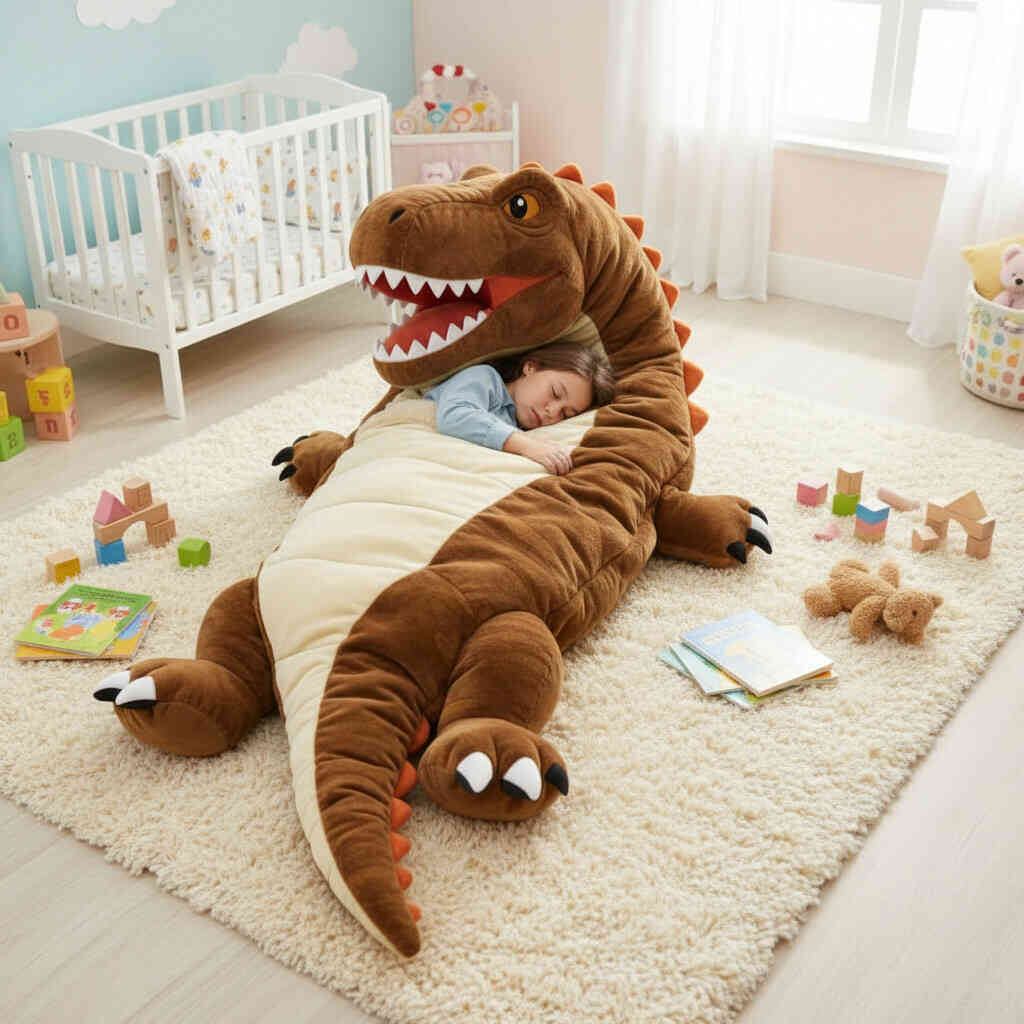
Moreover, the T. rex represents adventure and discovery. Paleontology—the science of unearthing fossils—is inherently exploratory, mirroring a child’s natural curiosity about the world. Incorporating a T-rex sleeping bed into a bedroom subtly encourages this spirit of inquiry. It transforms the room into a dig site, a jungle hideout, or a time-travel capsule to the Cretaceous period. The bed becomes the centerpiece of a narrative where the child is the hero, the scientist, or even the dinosaur itself.
This psychological and emotional resonance is what elevates T-rex sleeping beds beyond novelty. They’re not just visually striking; they speak to a child’s inner world, validating their fascination with power, scale, and the unknown—all while providing a soft, secure place to rest.
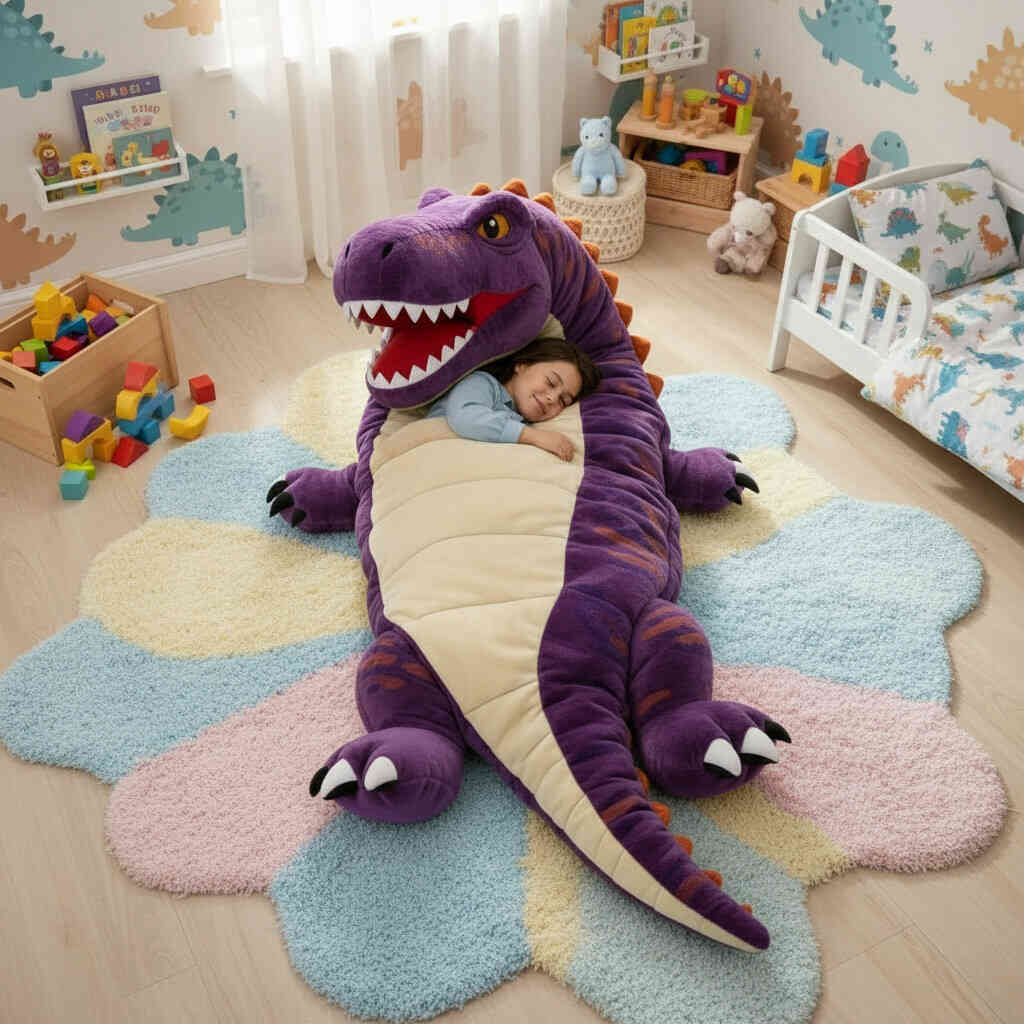
Part 2: Designing a T-Rex Themed Bedroom – Beyond the Bed
While the T-rex sleeping bed is undoubtedly the star of the show, a truly immersive bedroom experience requires a holistic approach to design. The goal is to create a cohesive environment that extends the theme without overwhelming the senses or sacrificing functionality. Here’s how to build a fun and fierce space that supports both play and peaceful sleep.
Color Palette: Earth Tones Meet Playful Pops
A well-designed T-rex bedroom doesn’t need to rely on garish greens or aggressive reds. Instead, consider a palette inspired by paleontology and prehistoric landscapes. Think warm earth tones—ochre, sienna, slate gray, and moss green—as base colors for walls or bedding. These hues evoke fossil digs, rocky terrains, and dense fern forests, grounding the room in a sense of authenticity. Then, introduce playful accents through textiles or accessories: a splash of amber (like amber-trapped insects), deep burgundy (reminiscent of volcanic soil), or even iridescent blues and purples to mimic fossilized opal or beetle wings.
Avoid overly bright or neon colors, which can overstimulate before bedtime. Instead, opt for matte finishes and natural fabrics like cotton or linen to maintain a calming atmosphere.
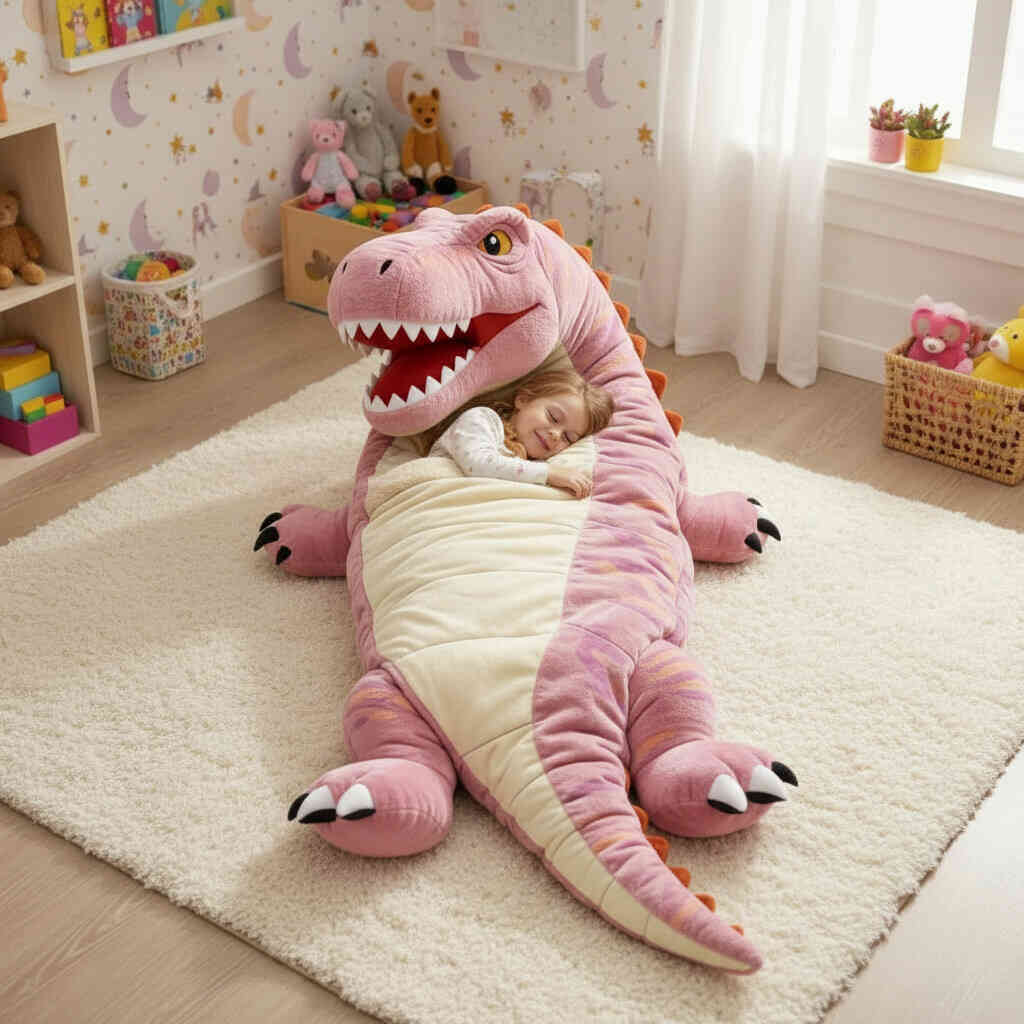
Wall Treatments and Murals: Setting the Scene
Walls offer a powerful canvas for storytelling. A large-scale mural depicting a serene Cretaceous landscape—with distant volcanoes, cycads, and perhaps a gentle T-rex family in the distance—can turn the entire room into a diorama. Alternatively, use removable wall decals of dinosaur skeletons, footprints, or fossil imprints for a more flexible, less permanent option. For older children, consider a “dig site” wall with faux rock textures or a chalkboard section where they can sketch their own dinosaur discoveries.
Lighting also plays a crucial role. Soft, warm lighting mimics sunset or campfire glow, enhancing the prehistoric ambiance. Consider a lava lamp-style nightlight or a pendant lamp shaped like a fossil egg to add thematic flair without harshness.
Furniture and Storage: Form Meets Function
Beyond the bed, other furniture should complement the theme without competing with it. Low-profile dressers painted in earthy tones can double as display shelves for toy dinosaurs or fossil replicas. Bookshelves shaped like rock formations or tree trunks encourage reading and organization. Storage bins labeled with dinosaur names or footprint symbols make tidying up part of the adventure.
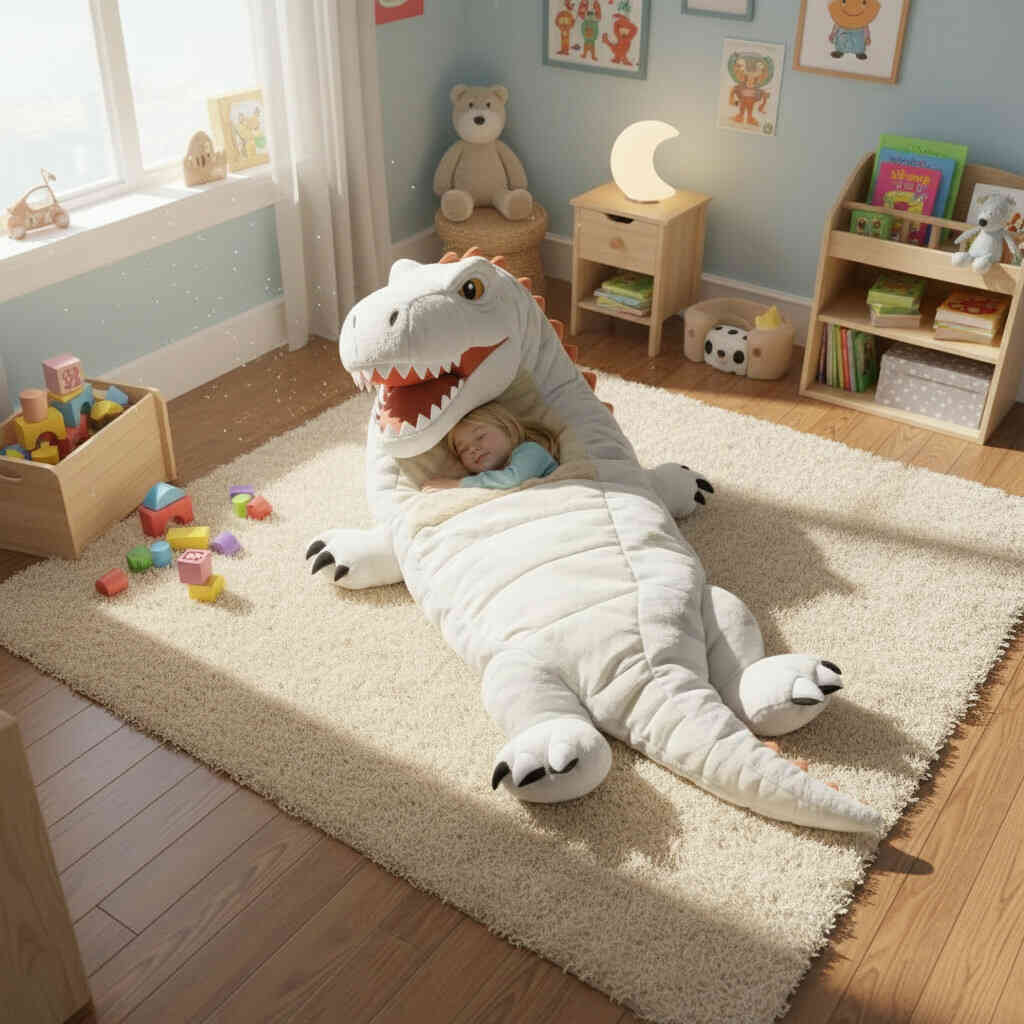
Crucially, ensure that all furniture meets safety standards and avoids sharp edges—especially important in a room designed around a creature known for its bite!
Textiles and Soft Furnishings: Comfort in the Cretaceous
Bedding, rugs, and curtains should prioritize comfort while reinforcing the theme. Duvet covers with subtle T-rex silhouettes, fossil patterns, or topographic maps of famous dig sites add detail without visual clutter. Plush rugs in grassy green or sandy beige provide a soft landing for bare feet and define play zones. Throw pillows shaped like dinosaur eggs or mini T-rex heads offer tactile fun and extra coziness.
Sensory and Interactive Elements
To deepen engagement, incorporate sensory elements. A sound machine that plays gentle jungle rains or distant dinosaur calls (think low rumbles, not roars) can soothe a child to sleep. A small tent or canopy near the bed can serve as a “dino den” for quiet time or reading. Even scent can play a role—subtle, natural aromas like cedar or eucalyptus (used safely and sparingly) can evoke forested prehistoric environments.
The key is balance: enough thematic detail to ignite imagination, but enough neutrality to allow the room to evolve as the child grows. After all, today’s T-rex enthusiast may become tomorrow’s marine biologist—but the foundational love of exploration remains.
Part 3: The Emotional and Developmental Impact of Thematic Bedrooms
Themed bedrooms like those centered around T-rex sleeping beds do more than look impressive—they play a meaningful role in a child’s emotional and cognitive development. At its core, a child’s room is a personal domain, a place where they begin to assert identity and autonomy. When that space reflects their current passions—whether dinosaurs, space, or ocean life—it validates their interests and fosters a sense of ownership and pride.
For many children, dinosaurs represent a gateway to science, history, and critical thinking. A T-rex-themed room can naturally encourage learning: books about paleontology, puzzles of skeletal reconstructions, or simple experiments like making “fossils” with clay can all stem from the bedroom environment. The T-rex, as a symbol of both power and extinction, can also gently introduce complex concepts like time, change, and environmental stewardship.
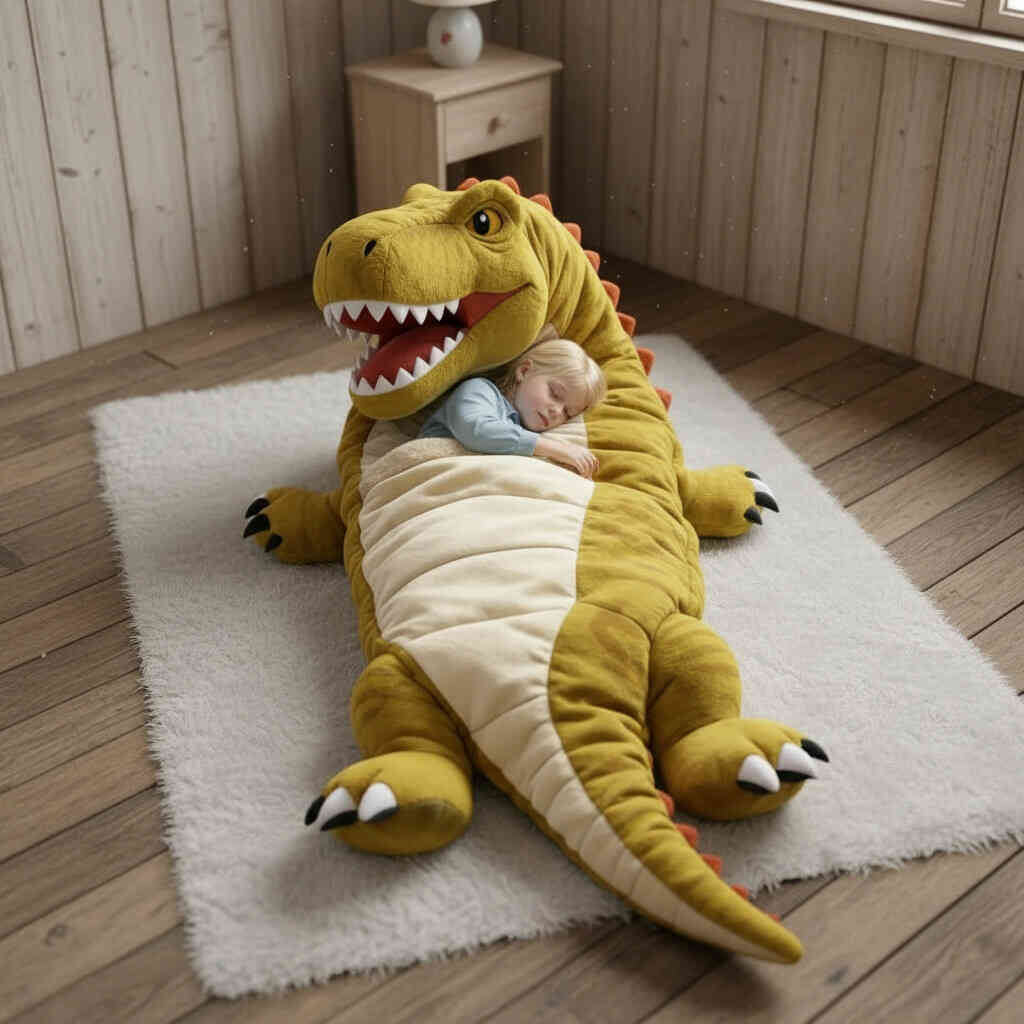
Emotionally, the T-rex sleeping bed often serves as a transitional object—a larger-than-life companion that eases the anxiety of being alone at night. By transforming a potentially scary creature into a friendly, even nurturing presence (imagine the bed’s headboard shaped like a smiling T-rex peering over the mattress), parents help their child reframe fear into fascination. This act of imaginative reframing is a powerful psychological tool, teaching resilience and creative problem-solving.
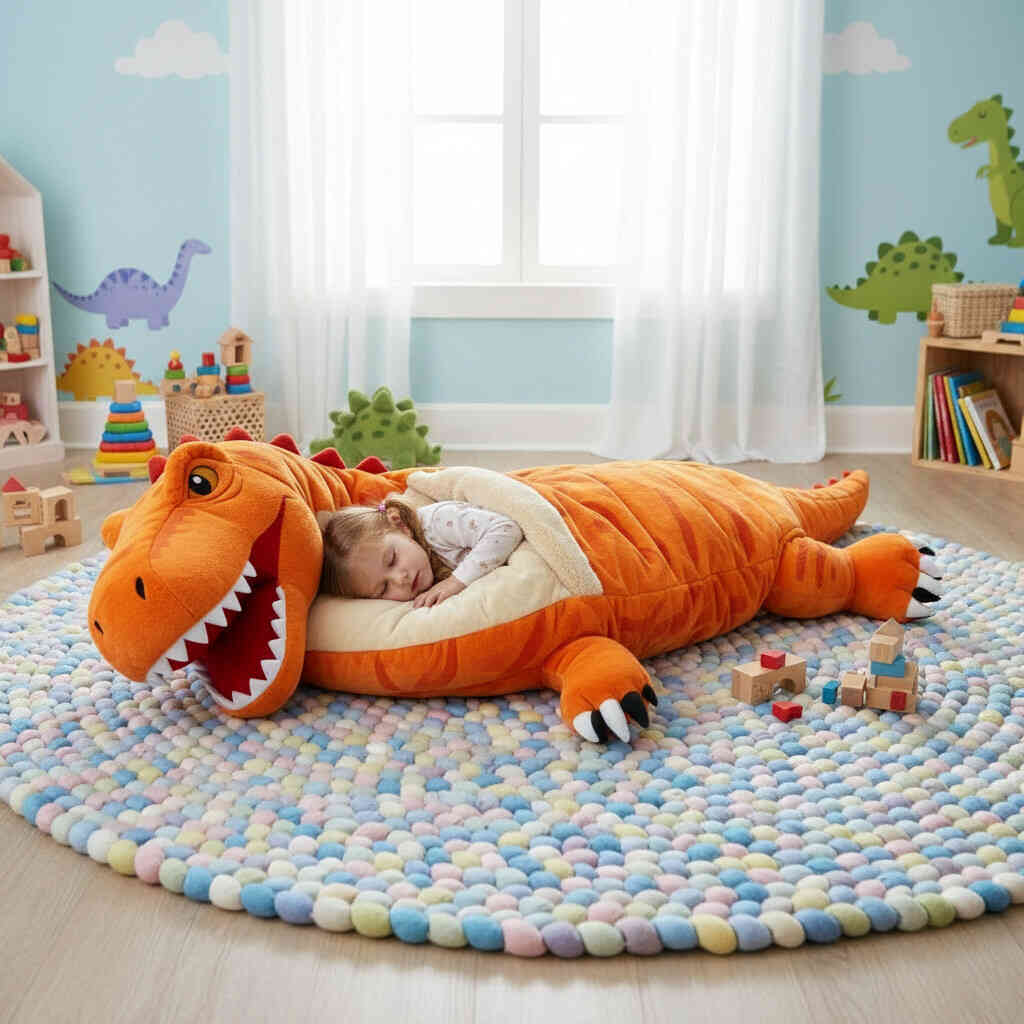
Furthermore, such rooms support pretend play, which is crucial for social and emotional growth. A child might “feed” their T-rex bed, tuck it in at night, or stage epic battles between plush dinosaurs on the rug. These narratives allow them to process real-world experiences, experiment with roles, and develop empathy—even for a 40-foot carnivore.
Importantly, a well-executed T-rex bedroom avoids reinforcing aggression or violence. Instead, it emphasizes wonder, care, and discovery. The fierceness of the T-rex is tempered by warmth, color, and comfort—mirroring the way children themselves navigate big feelings with the support of loving caregivers.
Conclusion: A Sanctuary Where Dreams and Dinosaurs Coexist
In the end, T-rex sleeping beds are far more than a quirky furniture trend. They are portals—to another era, to new ideas, and to the rich inner lives of children. By blending the thrilling imagery of one of Earth’s most iconic creatures with the nurturing essentials of a restful bedroom, these designs create spaces that are both fun and fiercely comforting.
A child’s room should be a reflection of who they are now, while leaving room for who they might become. A T-rex-themed bedroom, anchored by a thoughtfully designed sleeping bed, achieves this beautifully. It honors a fleeting but profound childhood obsession while embedding within it lessons about courage, curiosity, and care. As the lights dim and the child curls up beneath a canopy of stars—or perhaps under the watchful eye of a gentle T-rex—they don’t just go to sleep. They embark on a journey through time, imagination, and the quiet magic of feeling safe in a world full of wonders.
In a society that often rushes children toward maturity, spaces like these remind us of the importance of play, fantasy, and the joy of believing—even if just for a little while—that a dinosaur might be your friend. And in that belief lies the true power of the T-rex sleeping bed: not in its roar, but in its ability to whisper, “You’re safe. Dream big.”