
For centuries, the ocean has beckoned adventurers with its rhythmic swells and untamed energy. From the ancient Polynesians who first carved wooden planks to glide across Pacific breakers to the modern surfers carving elegant arcs on fiberglass boards, wave riding has evolved as both sport and spiritual pursuit. Yet, until recently, one constant remained: the rider’s dependence on the wave itself. Whether paddling into a swell or waiting for the perfect set, traditional surfing required patience, timing, and a deep understanding of ocean dynamics. Enter the jet board—a technological marvel that is redefining not just how we interact with waves, but our very relationship with the sea.
Jet boards, powered by compact water jet propulsion systems, represent a paradigm shift in aquatic recreation. Unlike conventional surfboards, which are passive instruments awaiting the ocean’s generosity, jet boards are active participants in the dance with water. They grant riders autonomy, enabling them to chase waves, create their own momentum, and explore marine environments previously inaccessible to board riders. This transformation is more than mechanical—it’s cultural, experiential, and even philosophical. Jet boards are not merely replacing paddling; they are expanding the boundaries of what it means to ride waves, inviting a new generation into the fold while challenging long-held notions of purity, skill, and connection to nature. In this article, we explore how jet boards are fundamentally altering the landscape of wave riding—reshaping access, redefining performance, and reimagining our bond with the ocean.
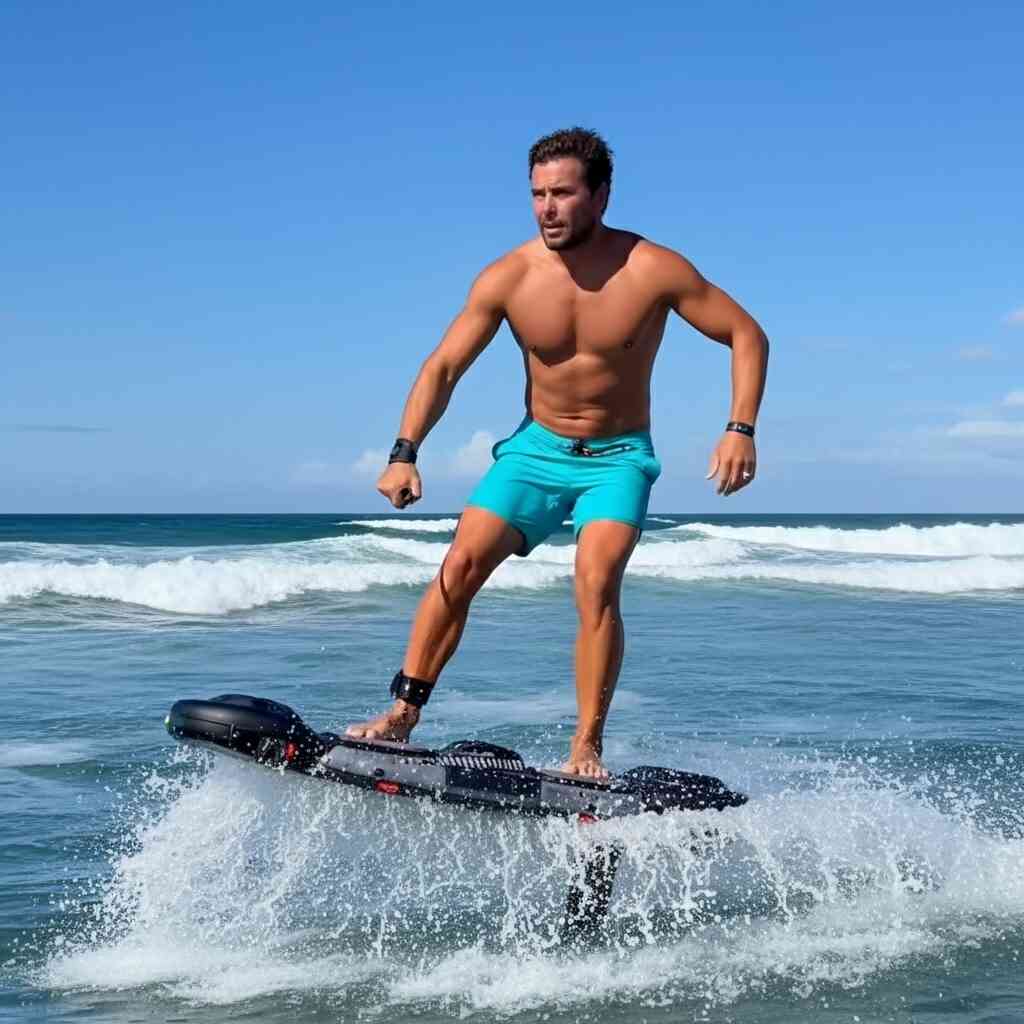
Part I: Democratizing the Ocean – Accessibility and Inclusivity
One of the most profound impacts of jet boards lies in their ability to democratize wave riding. Historically, surfing has been an exclusive domain, demanding significant physical strength, endurance, and years of practice just to catch a wave consistently. Paddling out through breaking surf, timing take-offs, and maintaining balance require a confluence of athleticism and ocean literacy that can be daunting—even prohibitive—for many. Jet boards dissolve many of these barriers, opening the ocean to a far broader spectrum of people.
With jet propulsion eliminating the need for paddling, individuals with limited upper-body strength, mobility challenges, or those recovering from injuries can now experience the thrill of riding waves. Elderly enthusiasts who once hung up their boards due to waning stamina find renewed joy in gliding across swells without the grueling paddle-out. Young children, previously confined to shore breaks or foam boards, can safely navigate deeper water under controlled thrust. Even those with no prior surfing experience can achieve the sensation of planing over water within minutes, not months.
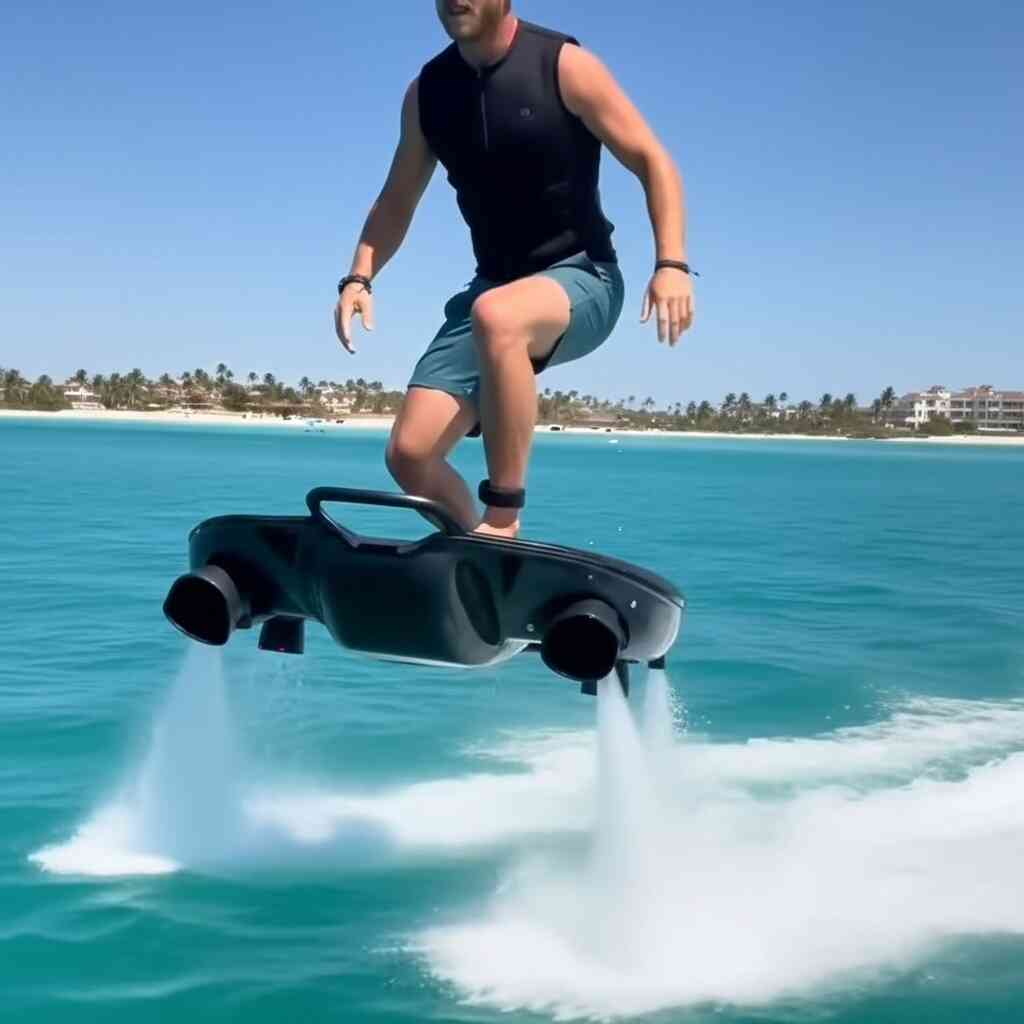
This inclusivity extends beyond physical ability. Geographically, jet boards empower riders in regions where consistent, rideable waves are scarce. Inland lakes, calm bays, and even rivers—once irrelevant to surf culture—become viable playgrounds. The rider is no longer at the mercy of swell forecasts or crowded lineups; they can generate their own motion, chase down distant sets, or simply cruise along glassy surfaces for the pure pleasure of it. This shift transforms wave riding from a location-dependent ritual into a portable, on-demand experience.
Critics may argue that such accessibility dilutes the essence of surfing—its hard-won mastery and reverence for natural forces. Yet, proponents counter that inclusivity doesn’t negate authenticity; it expands the community. By lowering entry thresholds, jet boards invite more people to develop a relationship with the ocean, fostering greater environmental awareness and stewardship. When more individuals feel connected to marine ecosystems—whether riding a peeling reef break or gliding across a serene estuary—the collective incentive to protect these spaces grows stronger. In this light, jet boards serve not as a departure from tradition, but as a bridge to a more diverse and engaged ocean-going populace.
Part II: Redefining Performance – Freedom, Fluidity, and Creative Expression
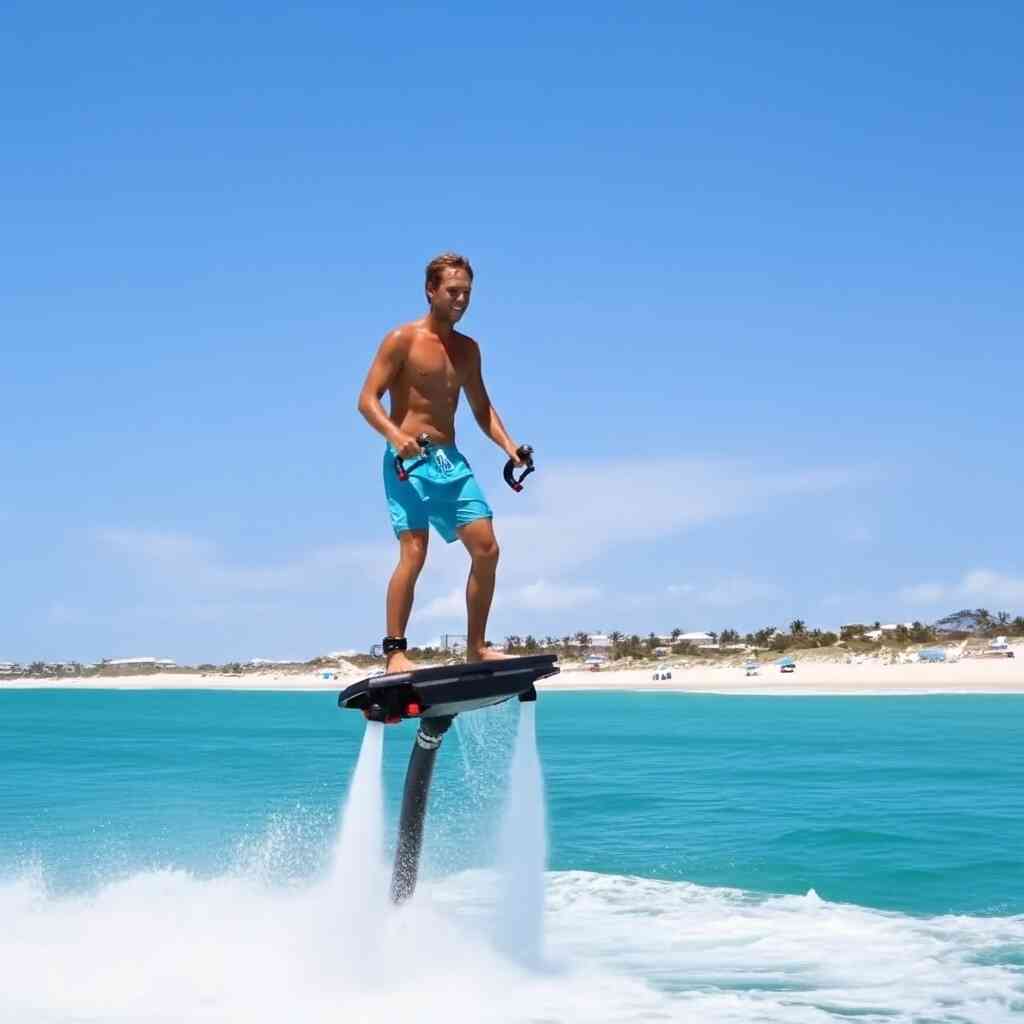
Beyond accessibility, jet boards are revolutionizing the very language of wave riding. Traditional surfing is inherently reactive: the surfer reads the wave, positions themselves precisely, and executes maneuvers within the wave’s fleeting window of opportunity. Jet boards, by contrast, introduce an element of agency. Riders can accelerate into waves that would otherwise be too slow or weak, extend rides by powering through flat sections, or even ride waves backward—maneuvers previously impossible without tow-in assistance or motorized craft.
This propulsion-driven autonomy unlocks unprecedented creative potential. Surfers can now approach waves from unconventional angles, launch into aerials with jet-assisted lift, or link multiple waves in a single ride by jetting between sets. The boundary between surfing, wakeboarding, and freeriding begins to blur, giving rise to hybrid styles that prioritize flow and innovation over strict adherence to wave dynamics. Riders are no longer confined to the “pocket” of the wave; they can explore its entire face, lip, and shoulder with dynamic control.
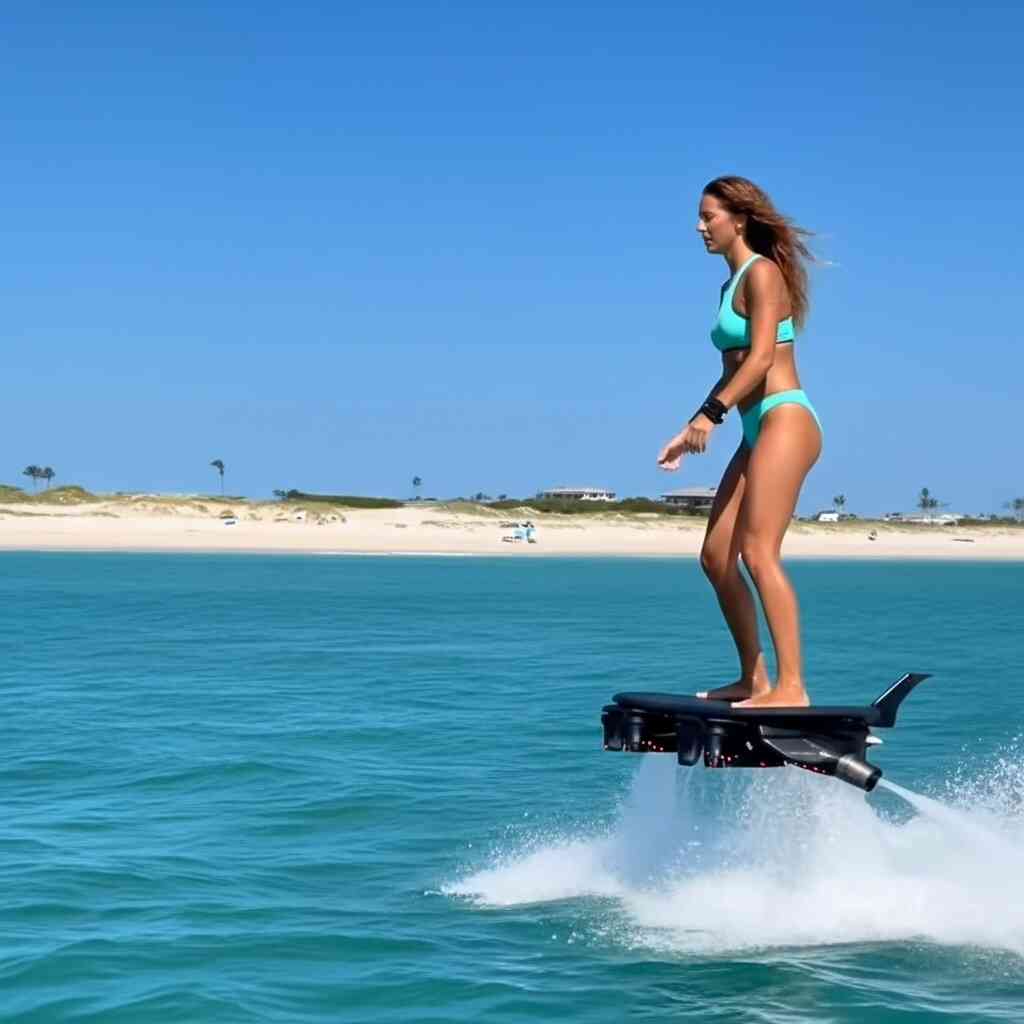
Moreover, jet boards enable entirely new forms of aquatic expression. In flat water, riders perform tricks reminiscent of skimboarding or hydrofoiling—spins, slides, and jumps powered purely by jet thrust. This versatility encourages experimentation, turning every session into an open canvas. The result is a burgeoning subculture that values technical ingenuity and stylistic flair as much as wave-riding prowess. Social media abounds with videos of jet boarders carving figure-eights around buoys, weaving through mangrove channels, or executing synchronized routines in calm coves—scenes unimaginable in traditional surfing.
This evolution also impacts competitive formats. While classic surfing contests remain rooted in wave selection and natural propulsion, new disciplines are emerging that integrate jet propulsion as a core element. Events now feature categories for freestyle jet boarding, endurance challenges, and technical wave riding with powered assistance. These competitions celebrate a different kind of athleticism—one that blends balance and timing with throttle control and spatial awareness. The judging criteria shift from “how well did the rider harness the wave?” to “how creatively did they interact with the water environment?”
Importantly, this redefinition doesn’t render traditional surfing obsolete. Instead, it coexists alongside it, offering an alternative mode of engagement. Just as snowboarding didn’t eliminate alpine skiing but expanded winter sports, jet boards are broadening the spectrum of what wave riding can be. They challenge purists to reconsider what constitutes “real” surfing while inspiring innovators to push the limits of human-water interaction.
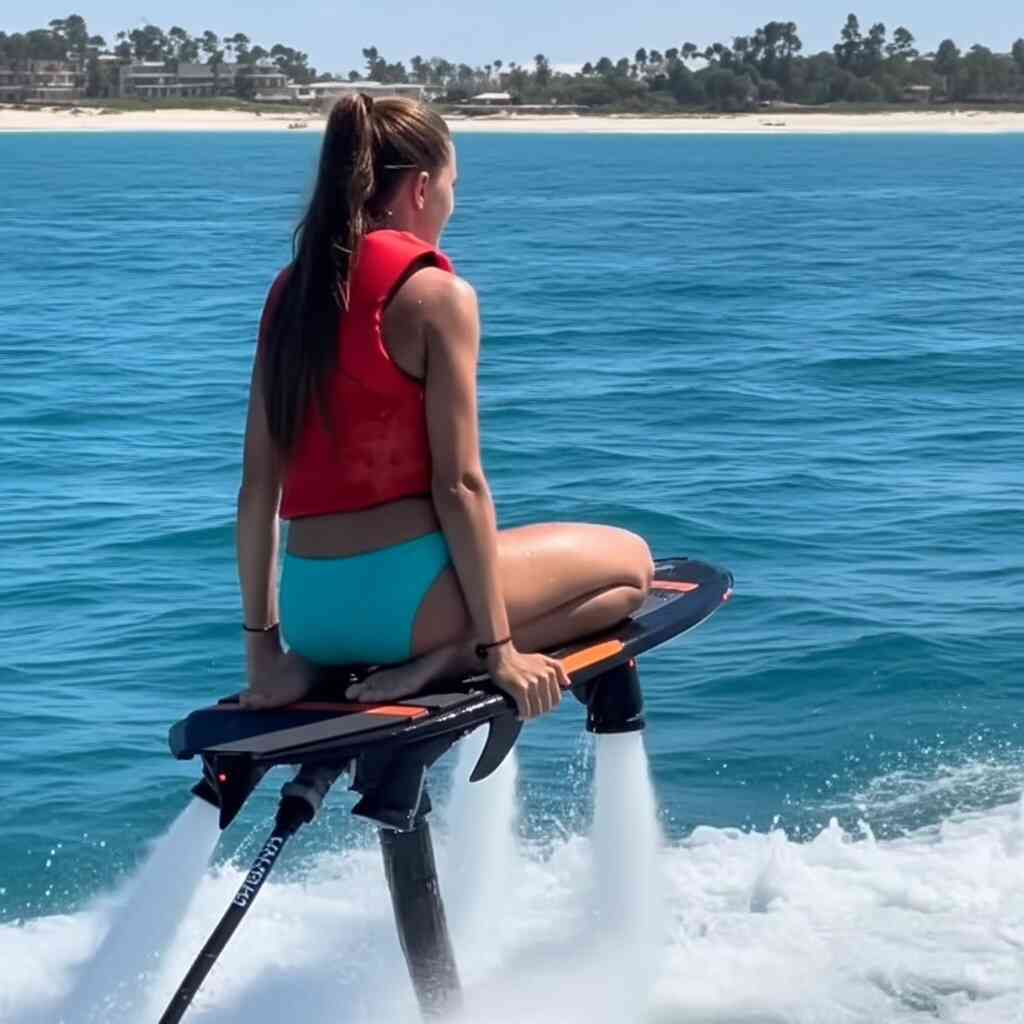
Part III: Reimagining Our Relationship with the Sea – Autonomy, Ethics, and Environmental Consciousness
At its core, the rise of jet boards prompts deeper questions about humanity’s relationship with the ocean. Traditional surfing has long been framed as a harmonious dialogue with nature—a practice that demands humility, patience, and respect for the sea’s rhythms. The surfer waits, observes, and responds; they do not command. Jet boards, with their mechanical propulsion, introduce a note of human intervention. This shift raises ethical and philosophical considerations that ripple far beyond the lineup.
On one hand, the autonomy granted by jet boards can foster a more intimate connection with marine environments. Freed from the exhausting paddle-out, riders spend more time observing marine life, studying currents, and appreciating subtle changes in water temperature and clarity. The ability to explore remote coves, kelp forests, or offshore reefs—places rarely visited by traditional surfers—cultivates a sense of wonder and responsibility. Many jet board enthusiasts report heightened environmental awareness, leading them to participate in beach cleanups, support marine conservation initiatives, or advocate for sustainable coastal policies.
On the other hand, concerns about noise, emissions, and disruption to marine ecosystems persist. While modern jet boards are increasingly powered by electric motors—quiet, zero-emission, and efficient—their presence in sensitive habitats can still disturb wildlife or conflict with non-motorized users. The ethical use of jet boards thus hinges on mindful operation: respecting no-wake zones, avoiding protected areas, and yielding to traditional surfers in crowded breaks. The challenge lies in balancing technological empowerment with ecological humility.
This tension reflects a broader cultural moment. As technology permeates every aspect of life, we are constantly negotiating between convenience and connection, control and coexistence. Jet boards embody this duality. They offer liberation from physical limitations and environmental constraints, yet they also demand a renewed commitment to stewardship. In doing so, they invite riders to reflect on their role not just as participants in ocean sports, but as custodians of the marine world.
Furthermore, jet boards are reshaping social dynamics in aquatic spaces. Historically, surf breaks have operated under unwritten codes of conduct—right of way, localism, and mutual respect. The arrival of powered craft disrupts these norms, sometimes leading to friction between traditionalists and jet board users. Yet, this friction also creates opportunities for dialogue and the co-creation of new etiquette. Forward-thinking communities are establishing shared guidelines that accommodate diverse users while preserving the spirit of ocean respect. In this way, jet boards are not just changing how we ride waves—they’re catalyzing conversations about shared space, mutual understanding, and collective responsibility.
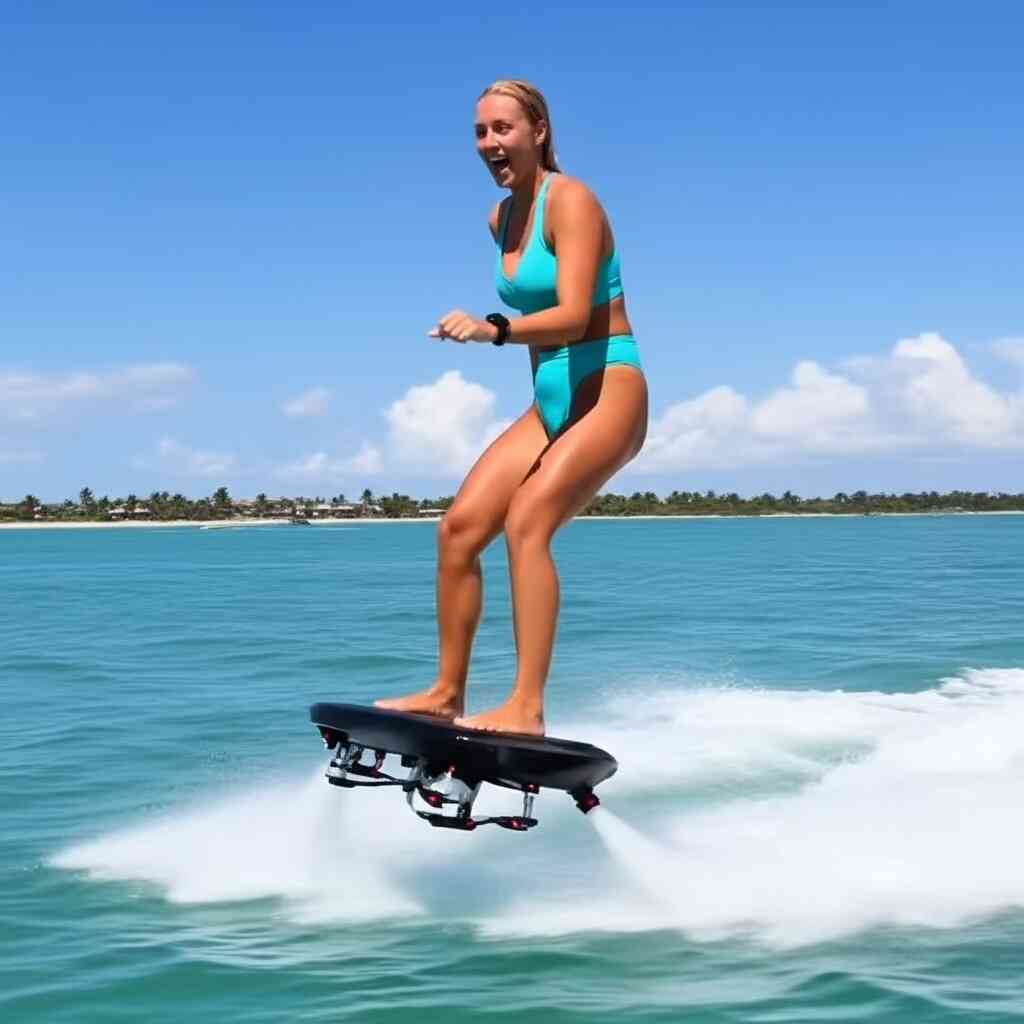
Conclusion: Riding the Future, Respecting the Past
Jet boards are undeniably transforming the landscape of wave riding. They have shattered long-standing barriers to entry, unlocked new dimensions of performance, and prompted profound reflections on our relationship with the ocean. But this transformation is not about replacing tradition—it’s about expanding possibility. Jet boards do not diminish the artistry of a perfectly timed bottom turn or the meditative calm of waiting for a set; rather, they add new verses to the ever-evolving song of human interaction with water.
What makes this shift so significant is its dual nature: it is both technological and deeply human. The jet board is a machine, yes—but in the hands of a rider, it becomes an extension of desire, curiosity, and joy. It allows a grandmother to share the ocean with her grandchildren, a veteran to rediscover the freedom of flight, and an artist to paint ephemeral lines across the sea’s surface. In doing so, it reaffirms that the essence of wave riding has never been solely about the board or the wave—it’s about the experience, the connection, and the story we tell ourselves as we glide across the boundary between land and sea.
As we navigate this new current, the challenge—and the opportunity—lies in embracing innovation without losing reverence. Jet boards invite us to ride waves on our own terms, but they also remind us that the ocean remains sovereign. Its power, mystery, and fragility endure, regardless of how we choose to move across its surface. The future of wave riding, then, is not a choice between paddle and propulsion, but a synthesis: a diverse, inclusive, and conscious community that honors the past while fearlessly exploring the horizon.
In the end, jet boards are not just changing how we ride waves—they’re redefining who gets to ride them, how far they can go, and what it means to belong to the ocean. And in that redefinition lies the promise of a richer, more connected aquatic future for all.