
For generations, the rhythm of domestic life has included a familiar, often unspoken chore: laundry. Washing, drying, and—perhaps the most tedious of all—folding. While modern washing machines and dryers have dramatically reduced the physical labor once required to clean clothes, the final step of folding remains stubbornly manual, time-consuming, and, for many, deeply frustrating. In today’s fast-paced world, where dual-income households, remote work, childcare responsibilities, and personal commitments crowd the calendar, even small tasks can accumulate into overwhelming burdens. The laundry basket, perpetually full, becomes a symbol of domestic inertia—a chore that never truly ends.
Enter the laundry folding machine: not merely a gadget, but a quiet revolution in household management. Far from being a luxury or novelty, this technology represents a meaningful shift in how we reclaim time, reduce mental load, and restore balance to daily life. This article explores how the laundry folding machine is transforming the domestic landscape for busy households—not by eliminating laundry, but by redefining what it means to manage it. Through an examination of time reclamation, mental well-being, and the evolving nature of home labor, we’ll uncover why this innovation deserves its place as a genuine game-changer in modern living.
Part I: Reclaiming Time—The Most Precious Household Resource
Time is the ultimate nonrenewable resource. In busy households, every minute counts, and the cumulative effect of small, repetitive tasks can erode the margins needed for rest, connection, or personal pursuits. Folding laundry may seem trivial in isolation—a few minutes here and there—but over a week, it adds up. For a family of four doing laundry three times a week, folding can easily consume 90 minutes or more. Over a year, that’s nearly 80 hours—equivalent to two full workweeks—spent hunched over a bed or table, matching socks and smoothing wrinkles.
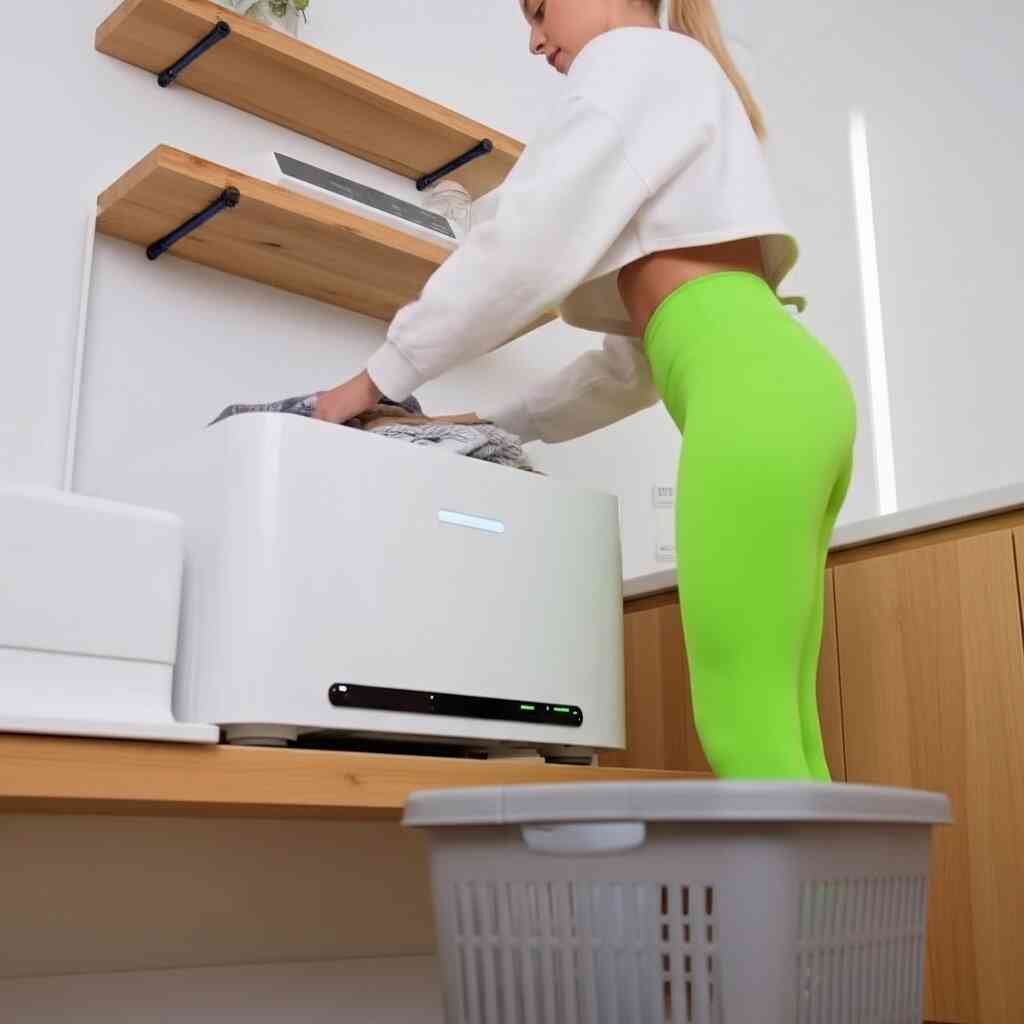
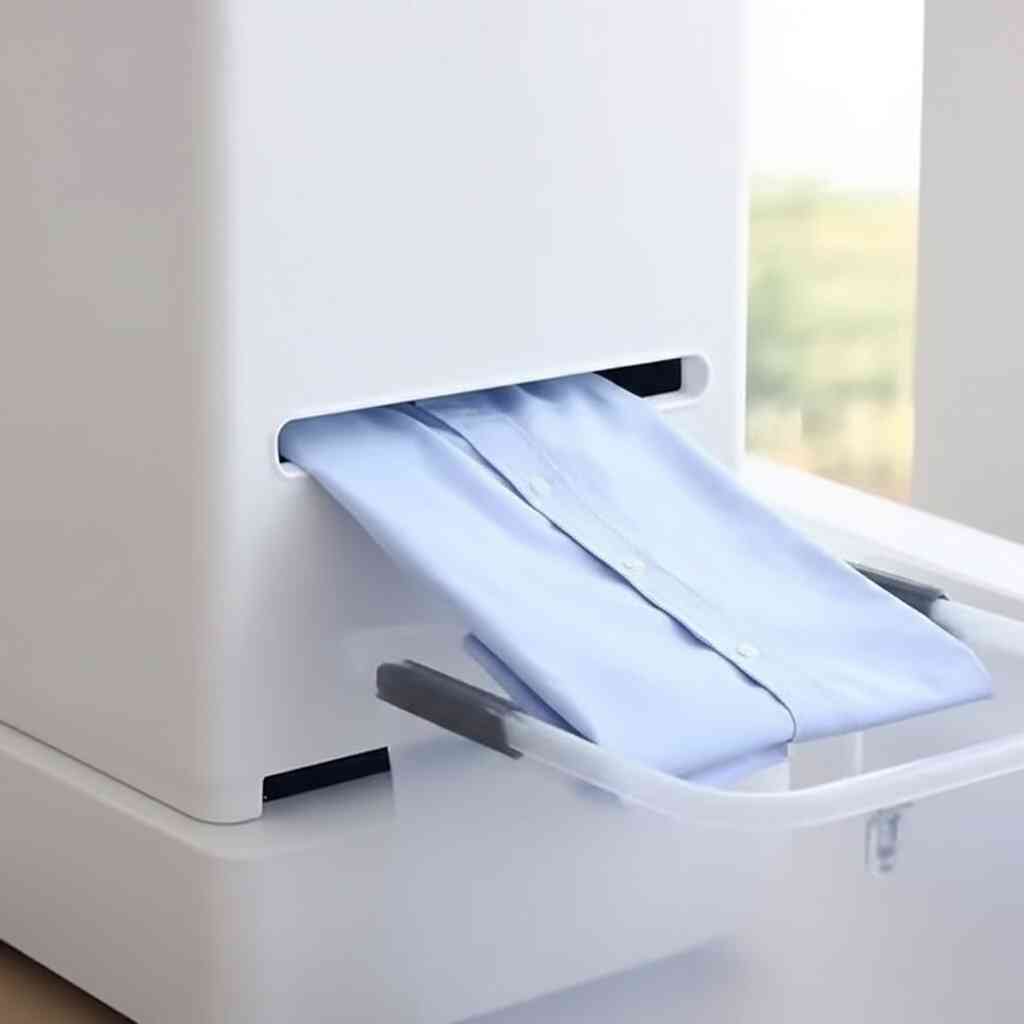
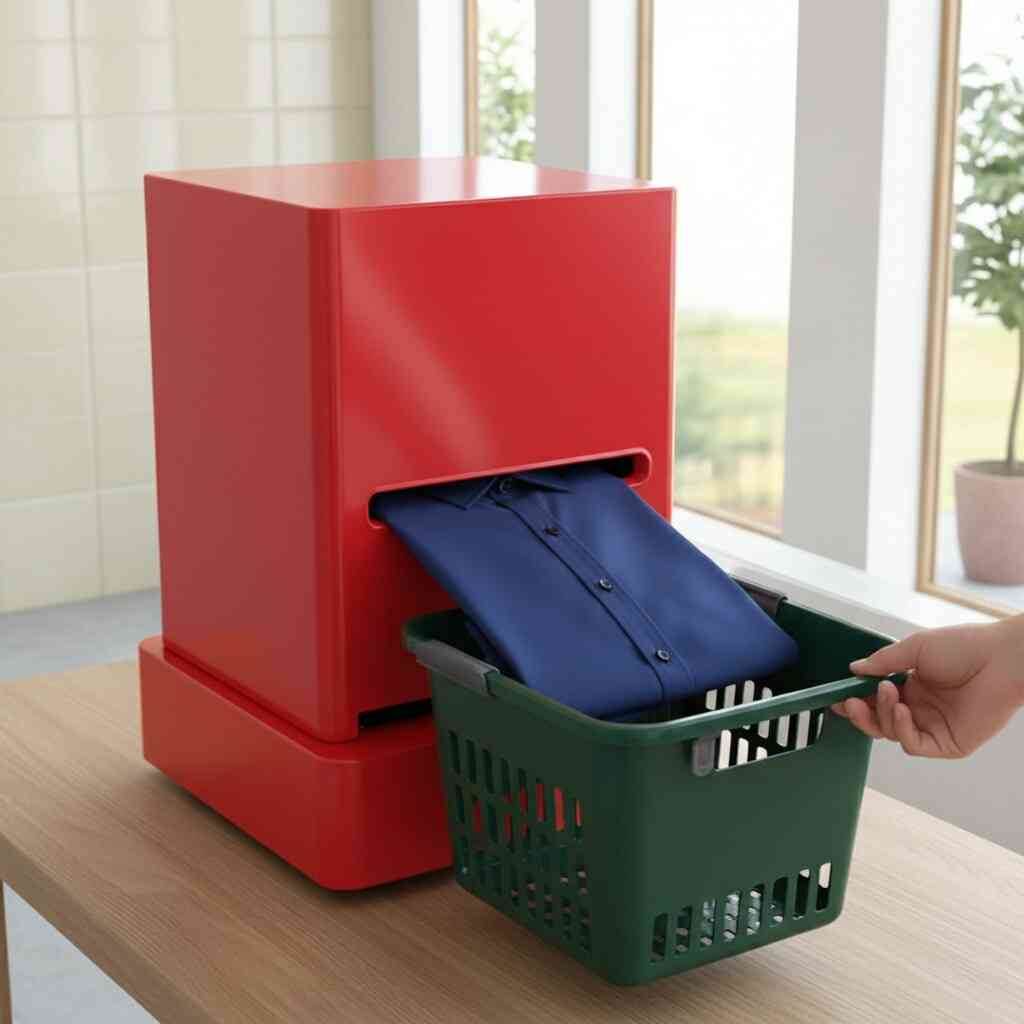
The laundry folding machine disrupts this cycle by automating one of the last manual bottlenecks in the laundry process. Unlike earlier attempts at laundry automation that focused solely on cleaning, modern folding machines are designed with precision engineering to handle a wide range of fabrics, from cotton T-shirts to lightweight linens. Using a combination of sensors, robotic arms, and intelligent algorithms, these machines identify garment types, determine optimal folding patterns, and execute folds with consistency that rivals—or surpasses—human effort.
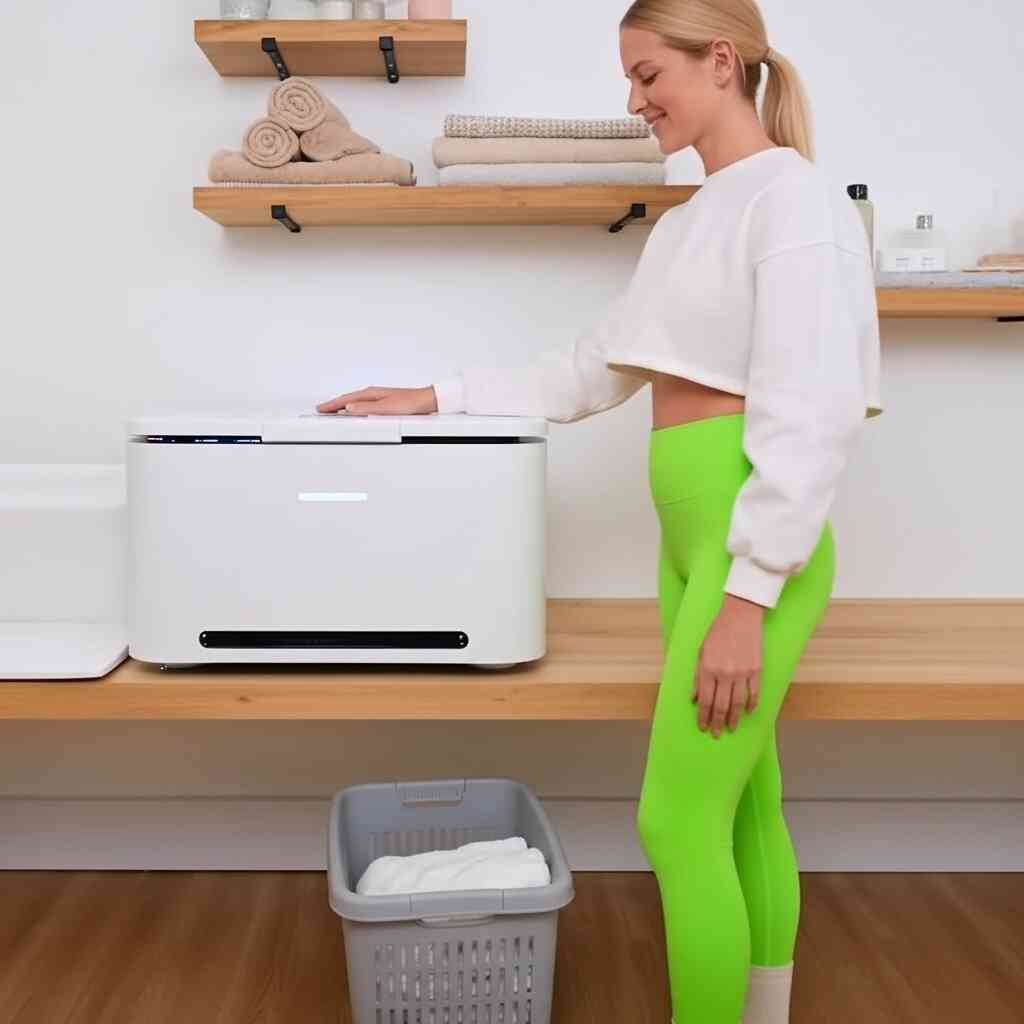
The immediate benefit is obvious: time saved. But the deeper impact lies in how that reclaimed time is used. Parents might read an extra bedtime story. Professionals could log off work earlier. Students may gain an hour for study or creative projects. Couples might share a quiet dinner without the looming shadow of unfolded laundry. The machine doesn’t just fold clothes—it folds time back into the day, restoring agency to those who often feel time-poor.
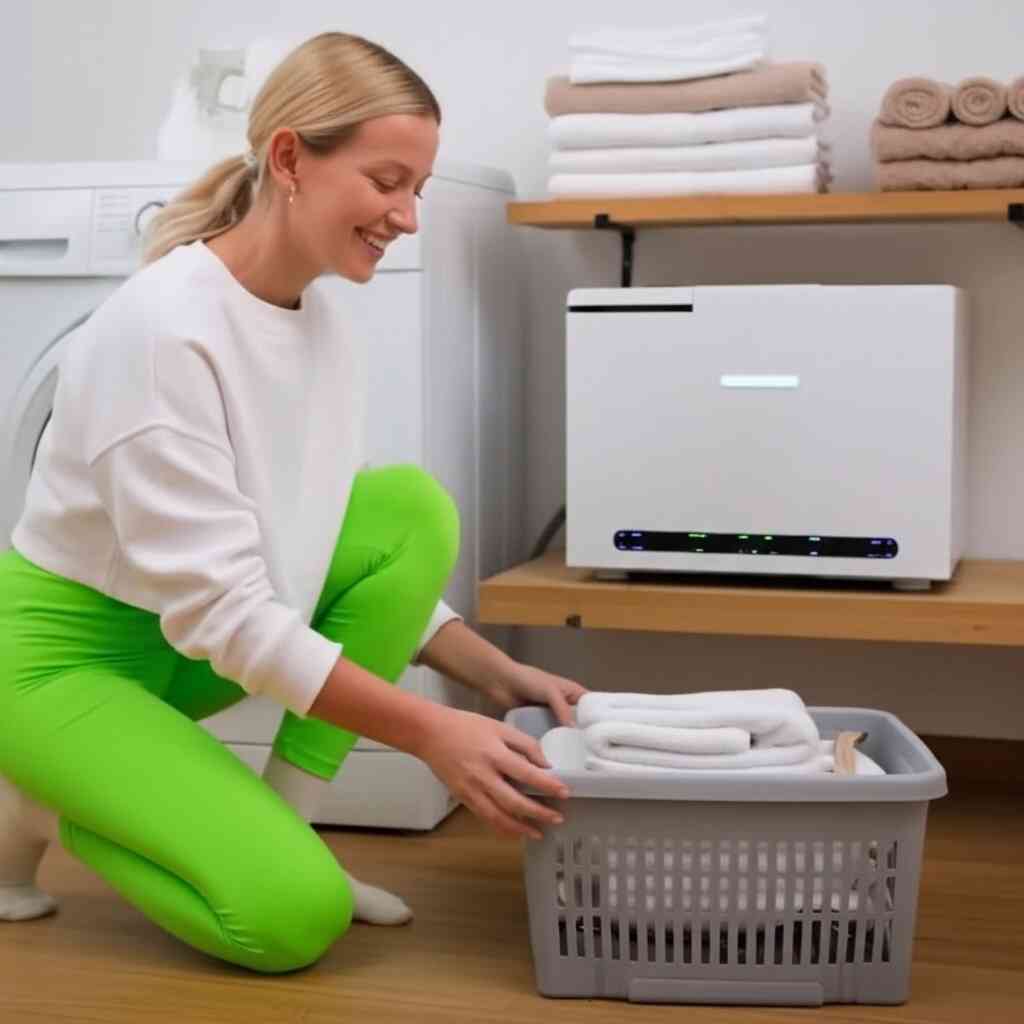
Moreover, the predictability of automated folding introduces a new rhythm to household chores. Instead of dreading the post-dryer pile, families can integrate folding into their routine seamlessly. Load the machine after the dryer finishes, and return to neatly stacked garments ready for drawers or closets. This reliability reduces the “task-switching” fatigue that plagues multitasking households, where constant context shifts between work, parenting, and chores drain cognitive energy. By streamlining one persistent domestic obligation, the laundry folding machine contributes to a smoother, more intentional daily flow.
Part II: Alleviating the Mental Load—Beyond Physical Labor
While the physical act of folding is undeniably tedious, its true weight often lies in the mental load it represents. Coined by sociologists and popularized in contemporary discourse, “mental load” refers to the invisible labor of planning, organizing, and managing household responsibilities. It’s not just doing the laundry—it’s remembering who needs clean uniforms for tomorrow, sorting delicates from heavy towels, ensuring seasonal items are rotated, and anticipating when the hamper will overflow.
For many, especially primary caregivers, this cognitive burden is exhausting. The laundry folding machine doesn’t eliminate the entire mental load, but it significantly lightens a persistent and recurring component. Once garments are clean and dry, the decision-making ends: the machine handles the rest. There’s no need to carve out mental space to “remember to fold later” or feel guilty about leaving clothes in the basket for days. The automation provides a form of cognitive offloading—a psychological relief that is as valuable as the physical time saved.
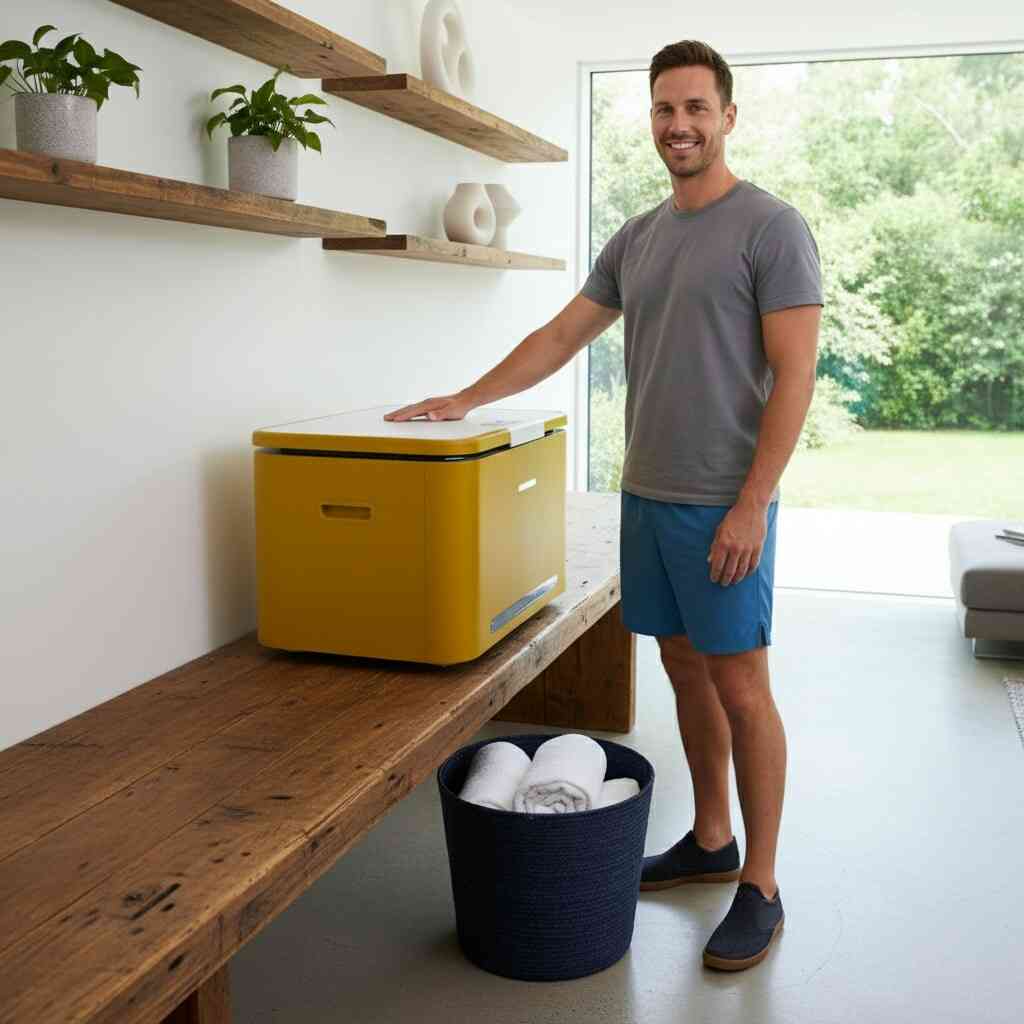
This reduction in mental clutter has ripple effects. Studies in psychology have shown that unresolved tasks, even minor ones, occupy working memory and contribute to stress and anxiety—a phenomenon known as the Zeigarnik effect. An unfolded laundry pile isn’t just fabric; it’s an open loop in the mind. By closing that loop automatically, the folding machine helps clear mental bandwidth, allowing individuals to focus more fully on the present moment—whether that’s a conversation with a child, a creative hobby, or simply a moment of stillness.
Furthermore, the consistency and reliability of machine-folded laundry introduce a sense of order that can be emotionally grounding. Neatly folded stacks signal completion and control, countering the chaos that often defines busy households. In a world where so much feels unpredictable—work deadlines, school schedules, global events—the simple act of opening a linen closet to find everything uniformly folded can provide a small but meaningful sense of stability.
Part III: Redefining Domestic Labor in the 21st Century
The laundry folding machine also prompts a broader cultural conversation about the nature of domestic work and who bears its weight. Historically, laundry has been gendered labor, disproportionately falling to women even in households where both partners work full-time. While societal norms have evolved, the division of household chores often lags behind ideals of equality. Automating folding doesn’t solve systemic inequities, but it does offer a practical tool for rebalancing domestic responsibilities.
When folding is no longer a manual chore, it becomes less likely to default to one person. The machine operates independently, removing the need for negotiation or reminders. This neutrality can foster more equitable participation in other aspects of laundry management—sorting, loading, putting away—because the most time-intensive and disliked step is handled. In this way, the technology serves as a subtle but powerful equalizer, helping to normalize shared responsibility without confrontation or guilt.
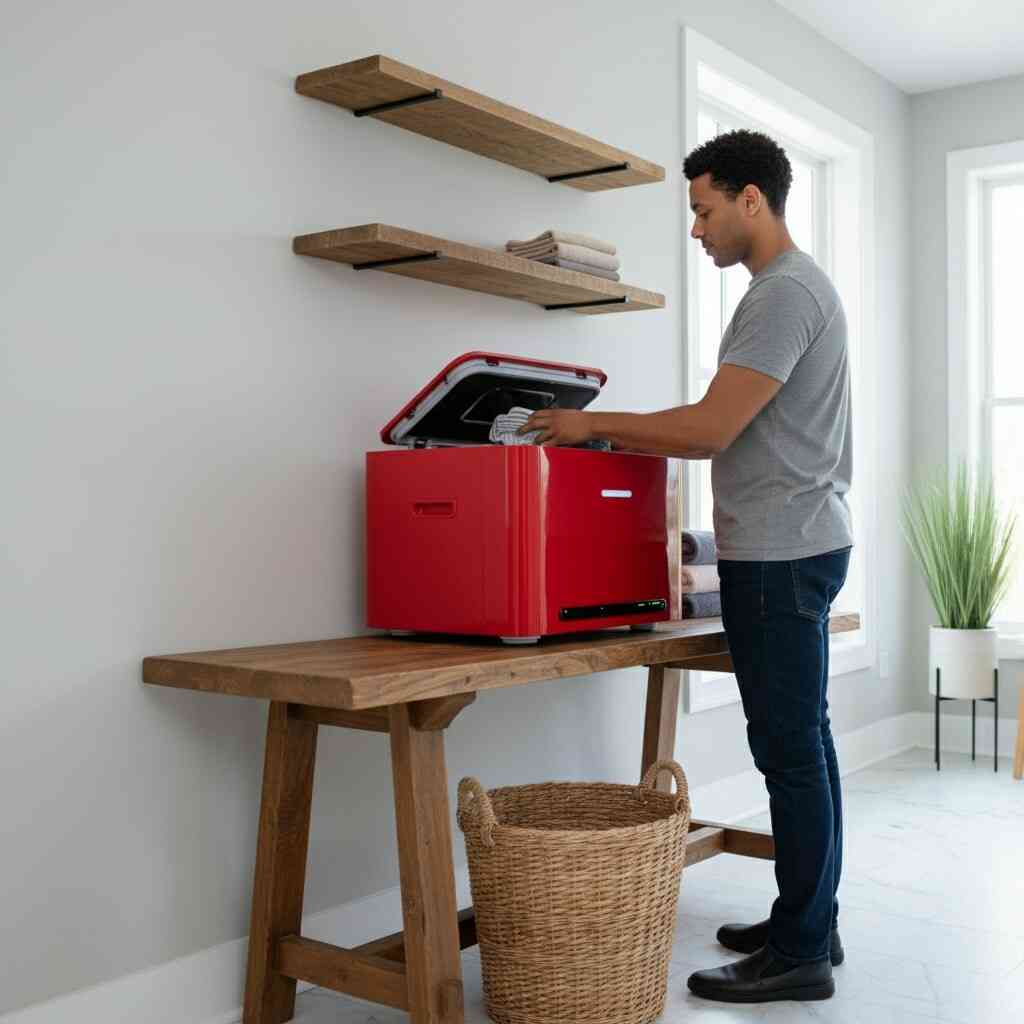
Additionally, the rise of the laundry folding machine reflects a larger shift in how we view the home. No longer is the ideal household one where every task is performed by hand as a mark of care or diligence. Instead, modern domesticity embraces efficiency, sustainability, and well-being. Just as dishwashers and robotic vacuums have been normalized as tools that enhance—not diminish—home life, the folding machine represents a maturation in our understanding of what it means to care for a home and its inhabitants.
This redefinition extends to aging populations and individuals with physical limitations. For seniors or those managing chronic pain, bending over to fold laundry can be painful or even impossible. The folding machine restores autonomy, allowing them to maintain independence in their daily routines without relying on external help. Similarly, neurodivergent individuals who may find repetitive tasks overwhelming or dysregulating can benefit from the machine’s consistent, predictable output, reducing sensory and emotional strain.
Conclusion: More Than a Machine—A Catalyst for Calmer Living
The laundry folding machine is more than a clever piece of engineering; it is a response to a deeply human need: the desire for peace amid the demands of modern life. It doesn’t promise to eliminate chores or create a spotless utopia. Instead, it offers something far more valuable—relief. Relief from the nagging guilt of unfinished tasks, relief from the physical strain of repetitive motion, and relief from the invisible weight of mental load.
In busy households, where every moment is accounted for and every ounce of energy is precious, small efficiencies compound into significant improvements in quality of life. The laundry folding machine embodies this principle. By taking over one of the last vestiges of manual laundry labor, it frees up not just minutes, but mental and emotional space—space that can be filled with laughter, learning, rest, or connection.
As we continue to navigate increasingly complex lives, the technologies we invite into our homes should serve not just our practical needs, but our deeper human ones. The laundry folding machine does exactly that. It is not a luxury for the few, but a thoughtful solution for the many—those who fold not because they enjoy it, but because it must be done. In doing so, it earns its title: a true game-changer for busy households, quietly transforming the mundane into the manageable, and the overwhelming into the ordinary.