
In the vast and varied world of marine vessels, few designs evoke the same sense of tranquility, accessibility, and unwavering reliability as pontoon boats. Unlike sleek speedsters slicing through waves or rugged fishing craft battling the open sea, pontoon boats occupy a distinct niche defined not by speed or aggression, but by balance, buoyancy, and an almost architectural approach to waterborne living. Their unmistakable silhouette—two or more parallel cylindrical tubes supporting a broad, flat deck—has become synonymous with leisurely afternoons on calm lakes, family gatherings afloat, and serene sunset cruises. But beneath this unassuming exterior lies a sophisticated interplay of hydrodynamics, structural engineering, and purpose-driven design that makes pontoon boats uniquely suited to their role. This article delves deeply into the essence of what makes pontoon boats so distinctive, focusing on the intrinsic relationship between their unconventional form and their celebrated stability. By examining their historical evolution, structural anatomy, hydrodynamic principles, and functional versatility, we uncover why this seemingly simple design continues to captivate boaters seeking comfort, safety, and a harmonious connection with the water.
Part I: The Architectural Blueprint – Deconstructing the Pontoon Form
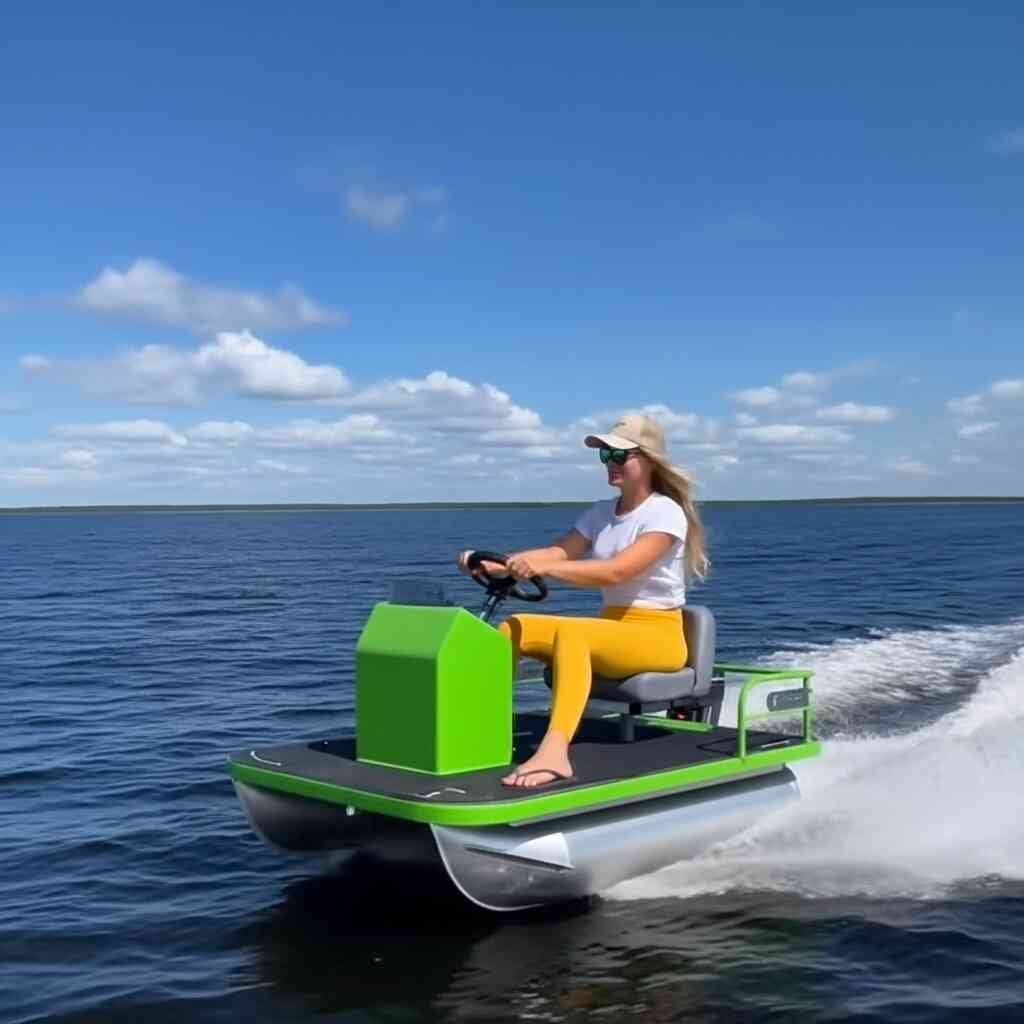
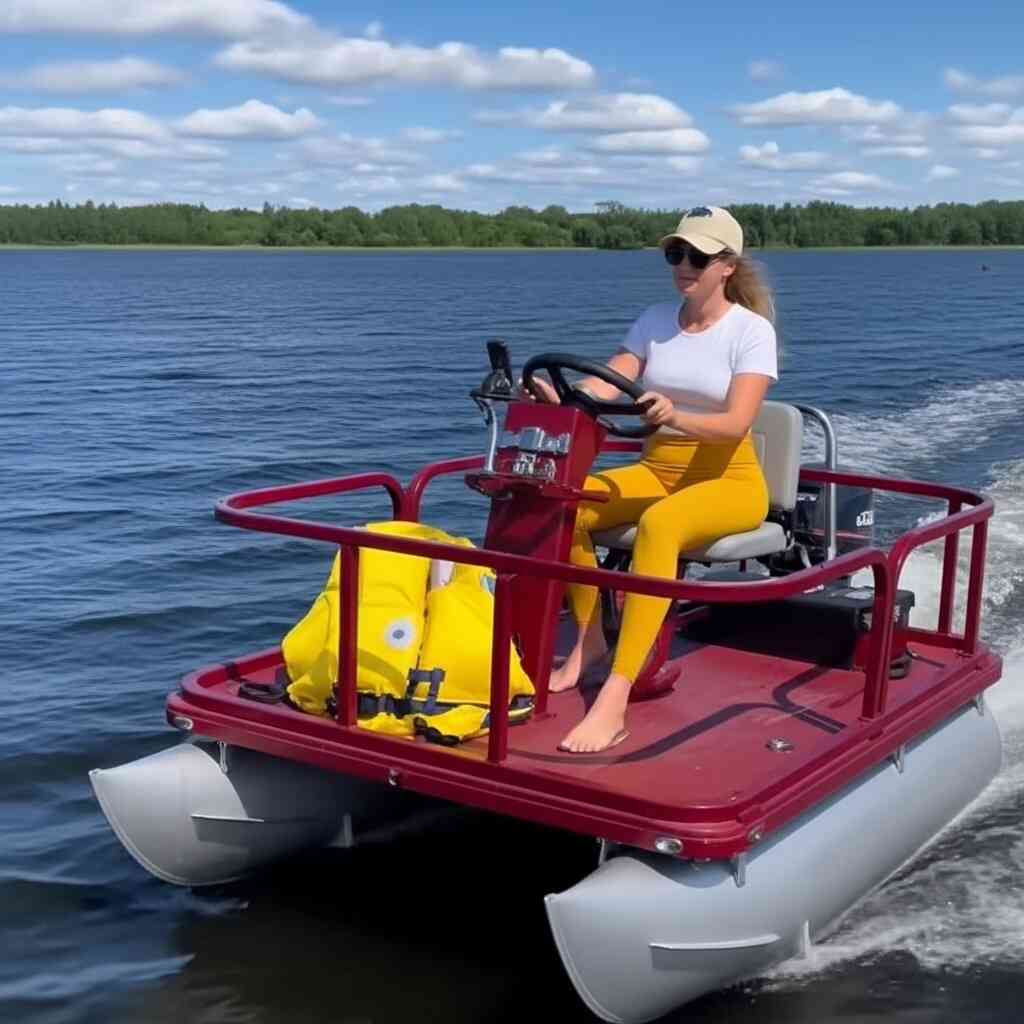
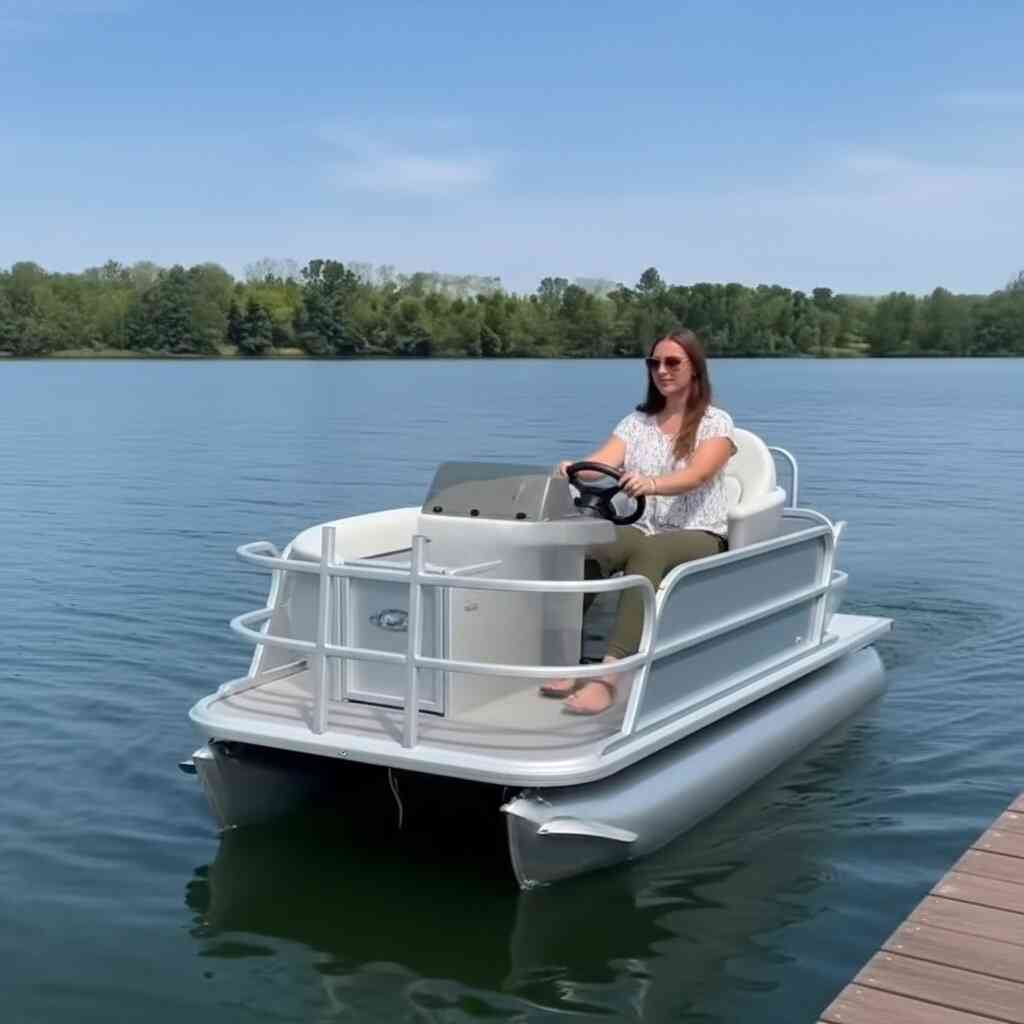
At first glance, the design of a pontoon boat appears almost rudimentary: a platform mounted atop inflated or sealed cylinders. Yet this simplicity is deceptive. The genius of the pontoon lies in its foundational geometry and the deliberate choices that govern its construction. Unlike traditional monohull boats that rely on a single, deep V-shaped or flat hull to displace water and provide lift, pontoon boats employ a multi-hull (catamaran or trimaran) configuration. Typically, two primary pontoons—long, airtight aluminum tubes—run parallel beneath the deck, though high-performance or larger models may incorporate a third center tube for added lift and stability.
The material choice is critical. Modern pontoons are almost exclusively fabricated from marine-grade aluminum alloys, prized for their exceptional strength-to-weight ratio, corrosion resistance, and malleability. These tubes are not solid but are constructed from multiple chambers separated by internal baffles. This compartmentalization is a key safety and stability feature: if one chamber is punctured, the others retain buoyancy, preventing catastrophic sinking and allowing the vessel to remain afloat—albeit at a reduced capacity—until repairs can be made.
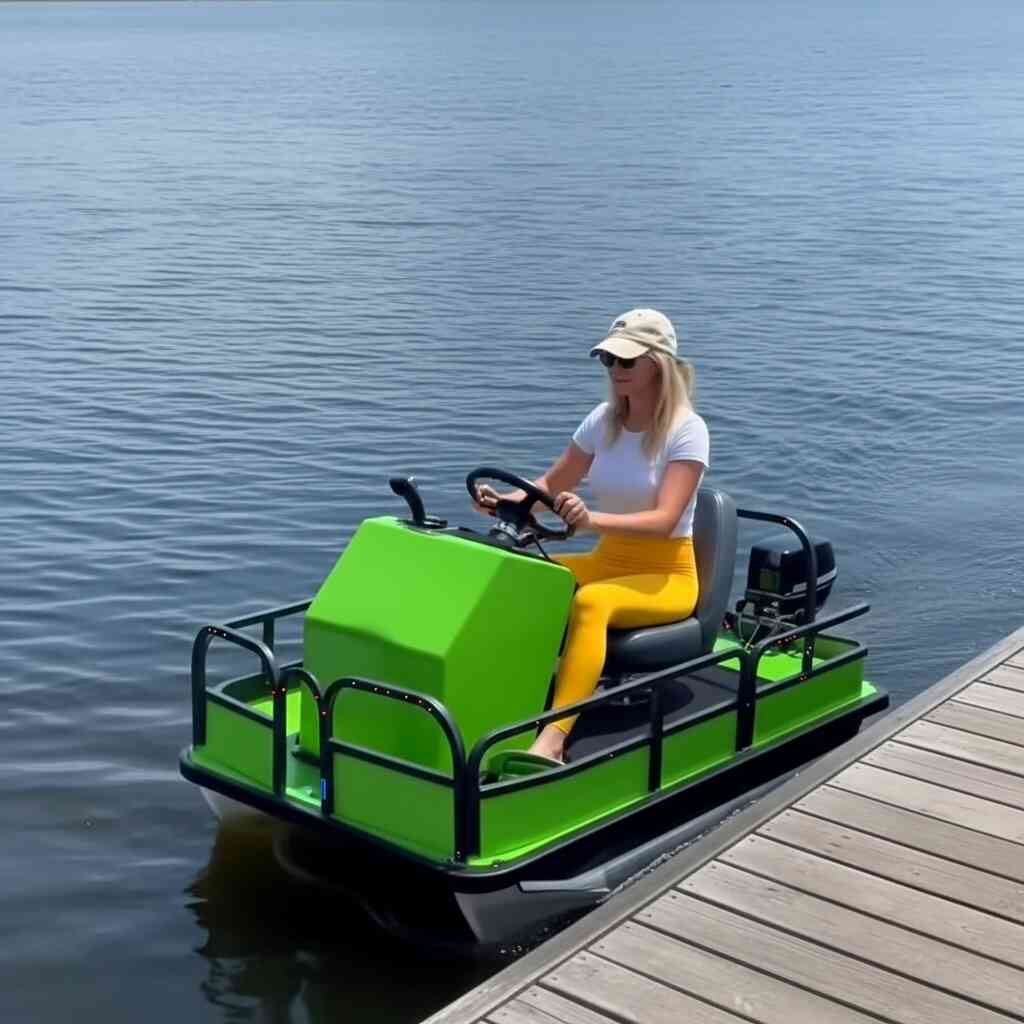
The deck itself, often crafted from pressure-treated wood, composite materials, or aluminum, is affixed directly to the tops of the pontoons via a robust cross-member framework. This creates a rigid, unified structure where the pontoons act not merely as floats but as integral load-bearing elements. The width between the pontoons—commonly ranging from 8 to 10 feet or more—establishes a broad base of support. This wide stance is the cornerstone of the pontoon’s legendary stability, distributing weight evenly and minimizing the tendency to rock or heel under shifting loads or passenger movement.
Moreover, the flat-bottomed nature of the deck platform allows for unparalleled interior layout flexibility. Without the constraints of a deep hull or keel, designers can configure seating, lounging areas, helm stations, and amenities in ways impossible on conventional boats. This architectural freedom transforms the pontoon into a floating room—an extension of domestic space onto the water—where form follows function with remarkable efficiency.
Part II: The Physics of Peace – Understanding Pontoon Stability
Stability in marine design is not a singular concept but a complex interplay of static and dynamic forces. Pontoon boats excel in what is known as “initial stability”—the resistance to heeling or rolling when the boat is at rest or moving slowly. This is where their design truly shines and differentiates them from nearly all other recreational watercraft.
The principle at work is rooted in basic physics: the metacenter. In naval architecture, the metacenter is the point about which a vessel rotates when it heels. The distance between the metacenter and the center of gravity (known as the metacentric height) determines a boat’s initial stability. A higher metacentric height results in greater resistance to tipping. Pontoon boats achieve an exceptionally high metacentric height through two key factors: a very low center of gravity and an extremely wide beam (the distance between the outer edges of the pontoons).
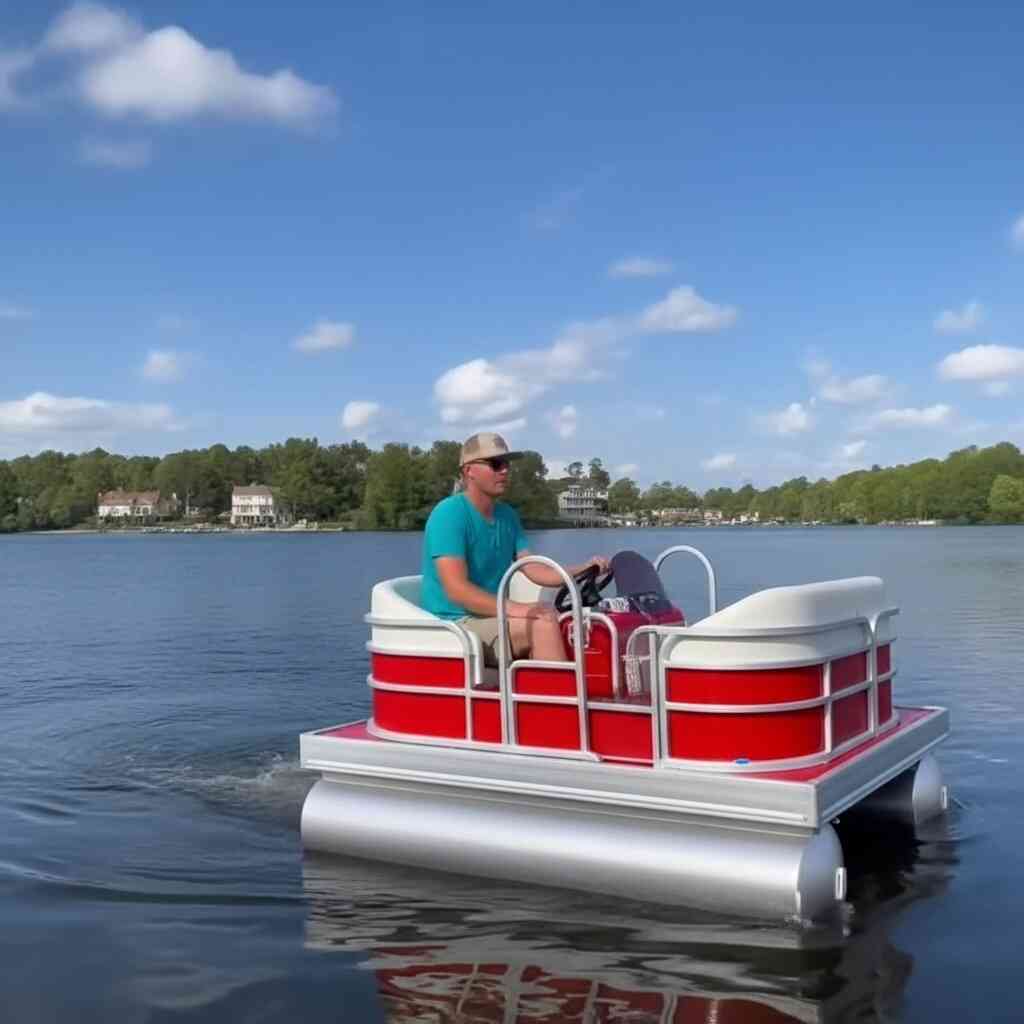
Because the heavy components—engine, fuel tank, batteries—are mounted low on the transom or within the pontoons themselves, and because passengers stand or sit on a platform close to the waterline, the overall center of gravity remains low. Simultaneously, the wide separation of the buoyant pontoons creates a large righting moment: when the boat tilts, the submerged volume on the lowered side increases significantly, generating a powerful upward force that counteracts the tilt and returns the boat to level. This effect is so pronounced that even with passengers congregating on one side, a pontoon boat will list only slightly and recover quickly.
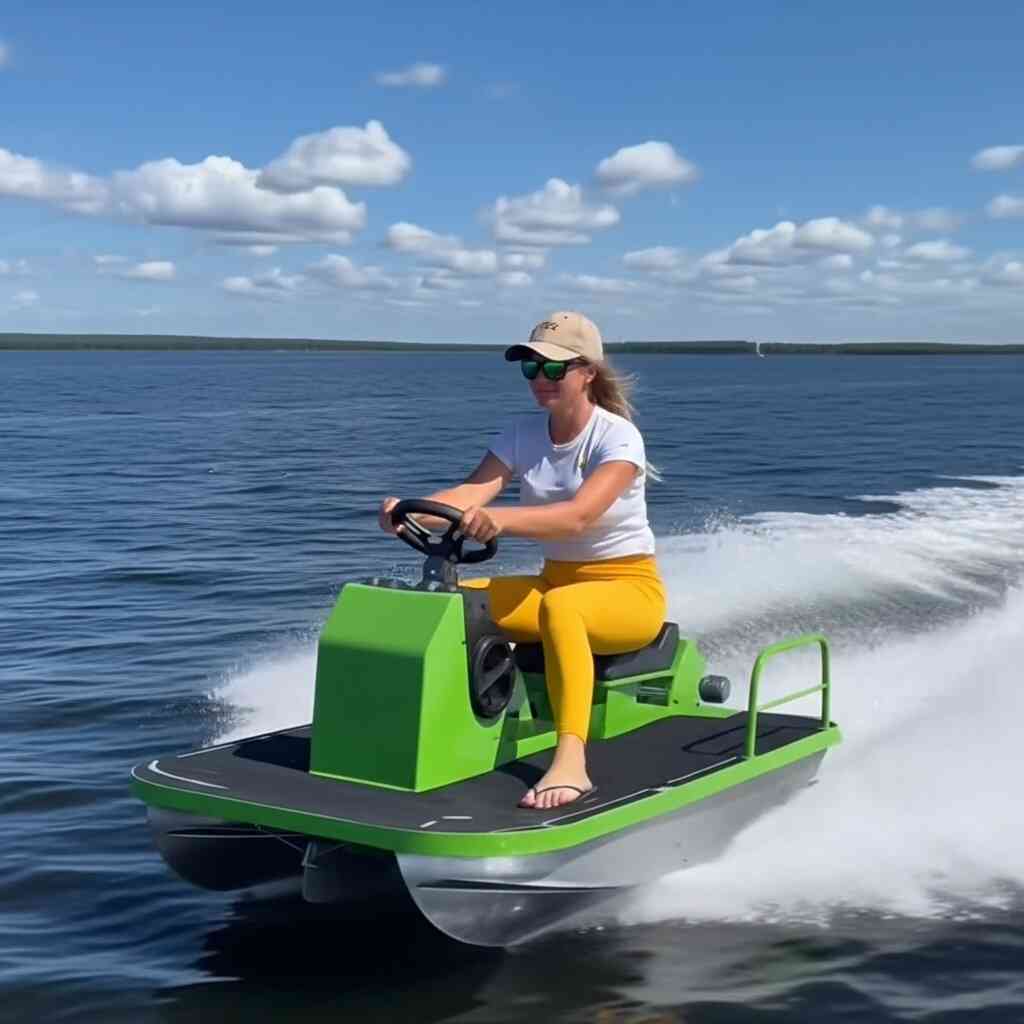
This inherent stability has profound implications beyond comfort. It makes pontoon boats exceptionally safe for children, elderly passengers, and those with mobility challenges. The minimal rocking motion reduces seasickness and allows for activities that would be precarious on other vessels—standing to fish, walking across the deck with drinks, or even hosting a small gathering with ease. In calm to moderate conditions, pontoon boats offer a platform so steady it feels more like standing on a dock than a boat.
It is important to note, however, that this design prioritizes stability over other performance metrics. Pontoon boats generally have lower top speeds and less maneuverability in rough water compared to deep-V hulls. Their flat profile and wide beam make them susceptible to pounding in choppy conditions, as they lack the ability to slice through waves. Yet this is not a flaw but a reflection of their intended purpose: they are engineered for protected inland waters—lakes, rivers, and bays—where their stability becomes not just an advantage but the defining characteristic of the experience.
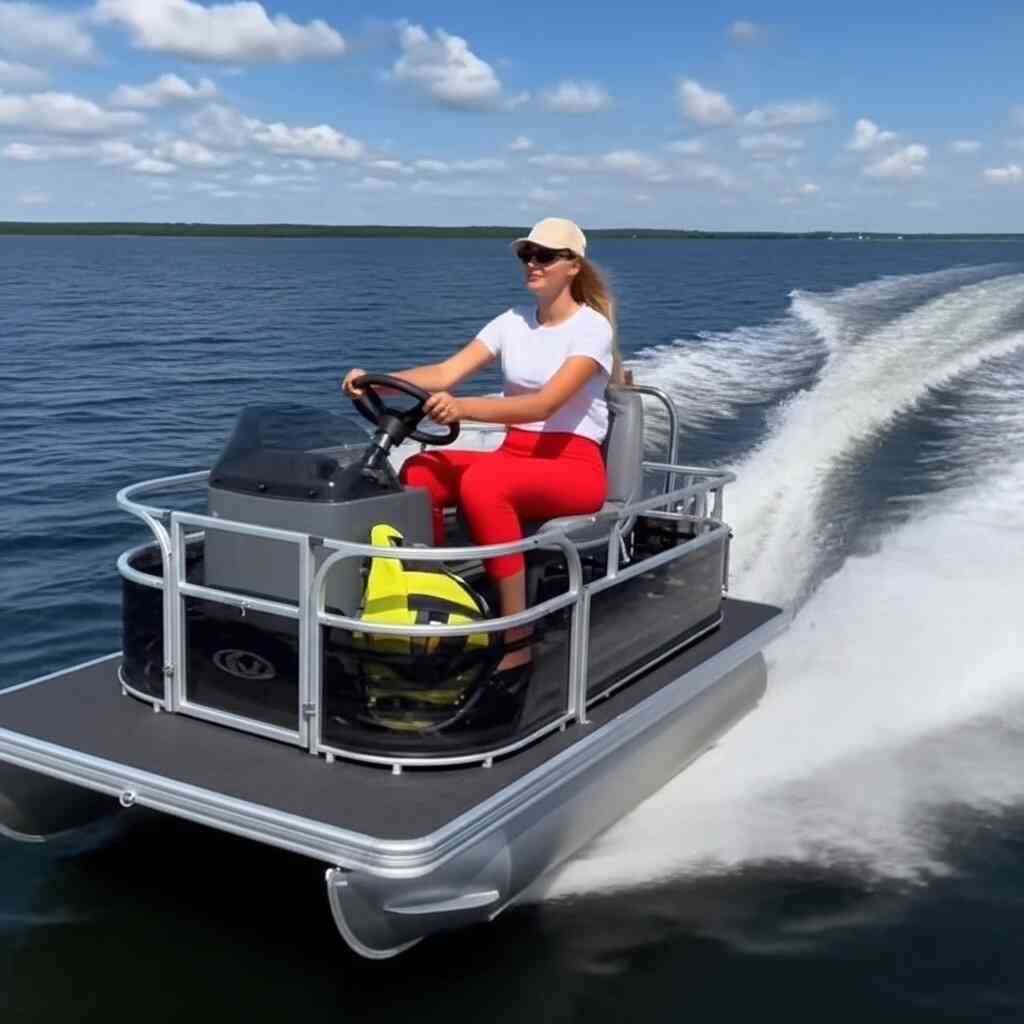
Recent innovations have begun to address some of these limitations without compromising core stability. “Performance pontoons” now feature modified tube shapes—elliptical or lifting strakes added to the pontoons—that enhance planing ability and reduce drag. Some incorporate a center tube with a V-shaped nose to improve handling in waves. Yet even with these enhancements, the fundamental stability derived from the multi-tube, wide-beam architecture remains intact, proving the adaptability of the original concept.
Part III: Beyond Buoyancy – The Functional and Cultural Dimensions of Design
The unique design of pontoon boats extends beyond engineering and physics into the realm of human experience and cultural practice. Their stability and spaciousness have shaped how people interact with water, transforming boating from a primarily navigational or sporting activity into a social and recreational platform. The pontoon boat is less a vessel for getting somewhere and more a destination in itself.
This shift is evident in how these boats are used. They are the quintessential “party barges,” floating stages for music, conversation, and shared meals. Anglers appreciate the steady platform for casting and retrieving without the constant sway of a traditional fishing skiff. Photographers and birdwatchers value the minimal vibration and quiet operation (especially with electric trolling motors) that allow for undisturbed observation. Families find in pontoon boats a safe, accessible environment where children can move freely without the fear of steep gunwales or slippery decks.
The design also fosters inclusivity. The low freeboard (the height of the deck above the waterline) and wide, open layout make boarding easy from docks or shallow shores. Many pontoon boats feature swim platforms or ladders that invite easy water access, turning the boat into a base for swimming, tubing, or paddleboarding. This accessibility democratizes the boating experience, inviting participation from those who might feel intimidated by more complex or unstable craft.
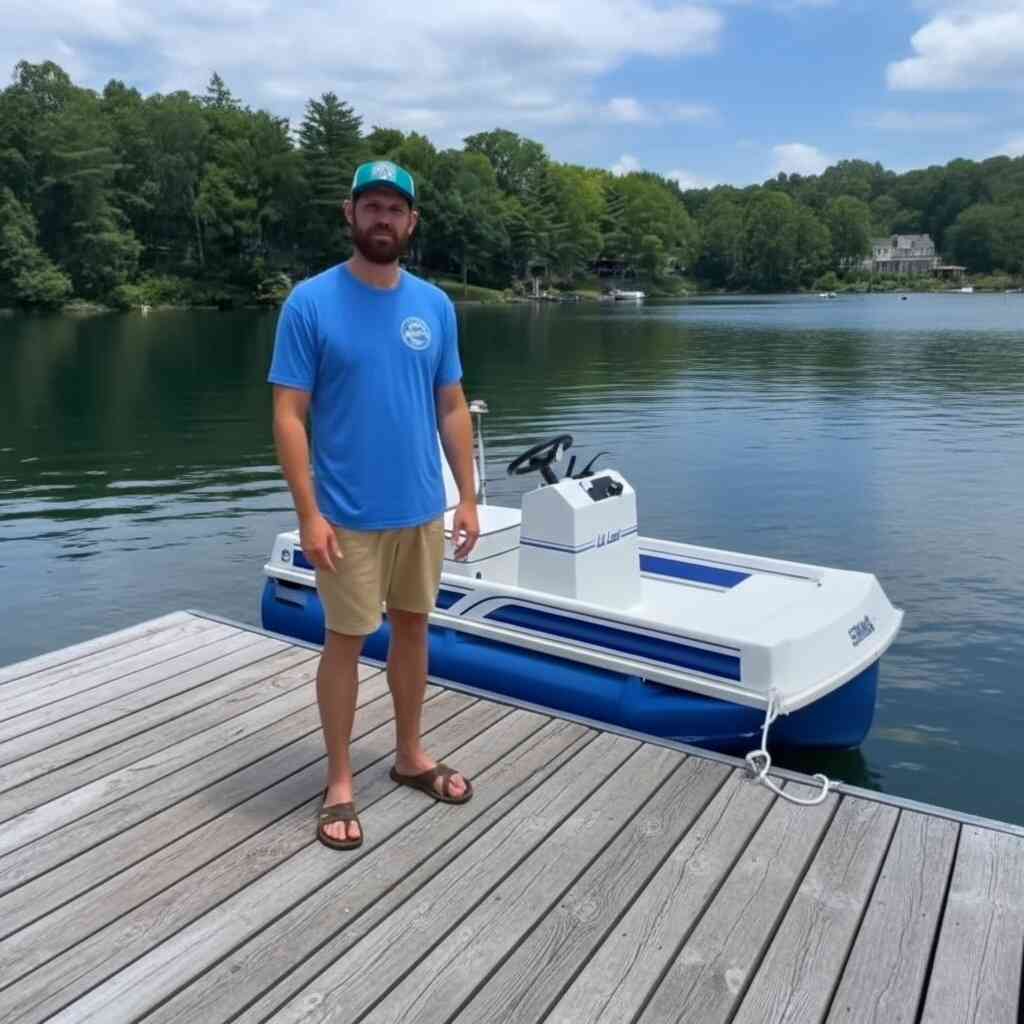
Culturally, pontoon boats have become symbols of relaxed, communal leisure in North America, particularly in the Midwest and Southeast where inland lakes abound. They represent a slower, more contemplative relationship with water—one that emphasizes presence over propulsion, connection over conquest. This ethos is embedded in their very structure: the open deck encourages face-to-face interaction; the lack of a cabin or enclosed spaces promotes engagement with the surrounding environment; the gentle motion invites mindfulness rather than adrenaline.
Even the aesthetics of pontoon boats reflect their purpose. While some models now feature sleeker railings, LED lighting, and premium upholstery, the underlying form remains honest and functional. There is little pretense in a pontoon boat; its design speaks directly to its use. This transparency between form and function resonates with users who value authenticity and practicality in their recreational pursuits.
Furthermore, the modularity of pontoon design allows for personalization that aligns with individual lifestyles. Whether outfitted with fishing chairs, sun pads, outdoor kitchens, or sound systems, the core platform remains unchanged—stable, buoyant, and adaptable. This versatility ensures that the pontoon boat remains relevant across generations and interests, continually redefined by its users while staying true to its foundational principles.
Conclusion: The Enduring Harmony of Form, Function, and Water
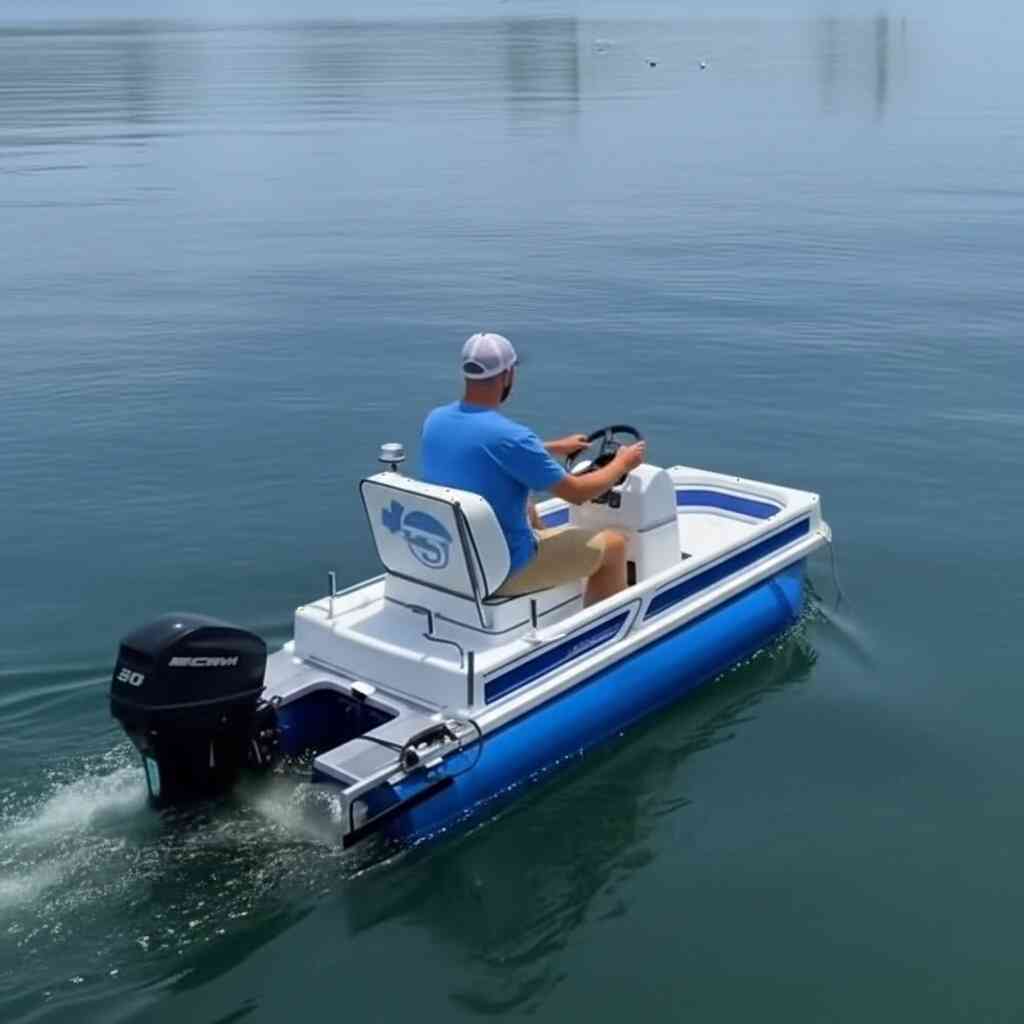
Pontoon boats stand as a testament to the power of purpose-driven design. Their uniqueness does not stem from complexity or technological novelty, but from a profound understanding of how structure, physics, and human needs intersect on the water. The parallel pontoons are not merely flotation devices; they are the pillars of a philosophy that prioritizes balance, safety, and shared experience over speed or spectacle. The stability they provide is not an incidental feature but the very essence of their identity—a stability that enables everything from quiet solitude to boisterous celebration.
In an era where innovation often equates to miniaturization, automation, or increased performance, pontoon boats remind us that sometimes the most enduring solutions are elegantly simple. They do not fight the water; they rest upon it with confidence and grace. Their design acknowledges the limitations of inland waterways and works within them, offering a harmonious way to inhabit aquatic spaces without dominating them.
As we continue to seek meaningful connections—with nature, with each other, with moments of peace—pontoon boats offer a compelling model. They are more than recreational vehicles; they are floating sanctuaries, engineered for calm. Their legacy lies not in records broken or distances covered, but in the countless quiet mornings, laughter-filled afternoons, and golden-hour reflections they have hosted on lakes and rivers across the continent. In exploring the unique design and stability of pontoon boats, we ultimately uncover a deeper truth: that sometimes, the most revolutionary thing a boat can do is simply hold still, and hold us steady, in the gentle embrace of the water.