
How to Design a Tree Themed Reading Nook for Kids and Adults
A tree themed reading nook invites you to slow down beneath imagined branches, tuck into a cozy hollow, and let stories take root. Whether you’re designing a child’s play-and-read corner or creating a tranquil retreat for an adult, a tree themed reading nook blends nature’s calm with the intimacy of a small, thoughtfully made space. This guide explains how to plan, design, and finish a tree themed reading nook that’s safe, functional, and full of quiet magic.
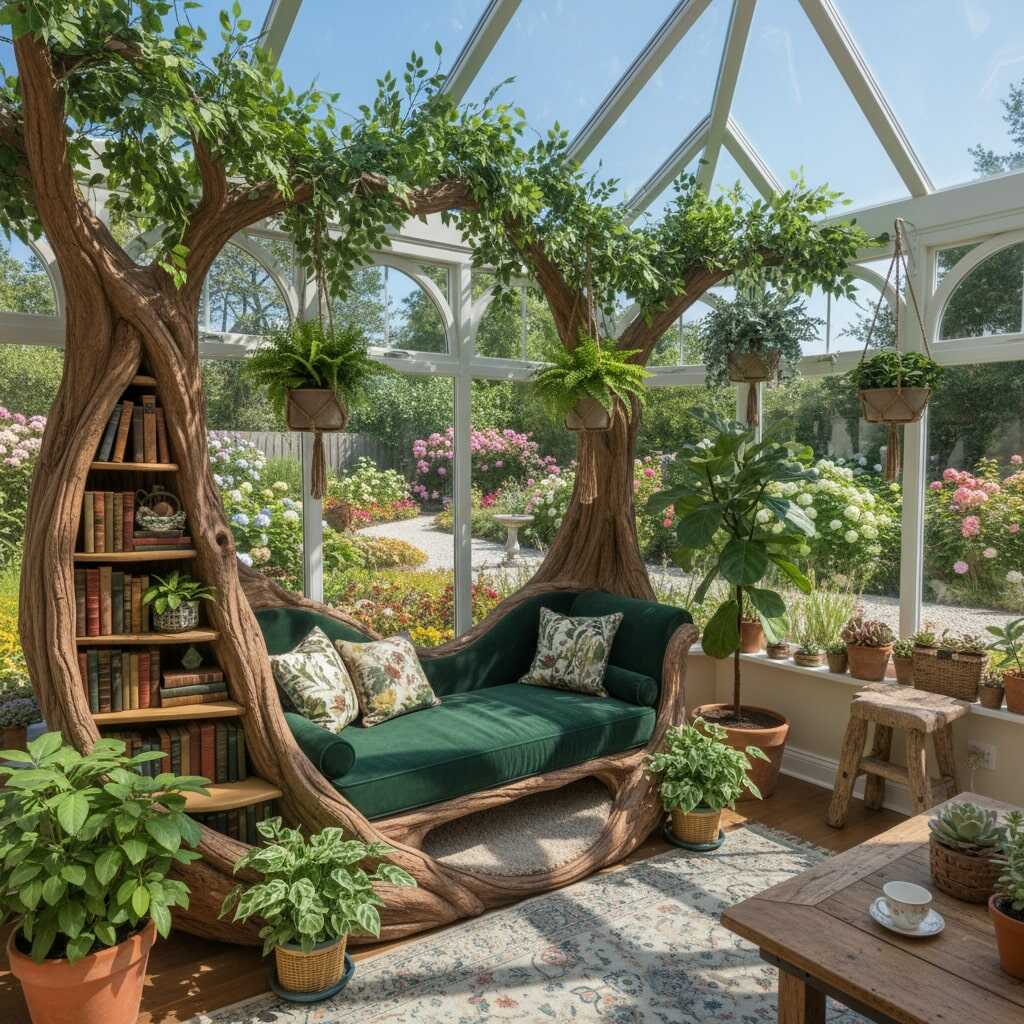
Part I — Introduction: Why a Tree Themed Reading Nook Works
Reading nooks are more than furniture arrangements: they are micro-environments that encourage focus, relaxation, and imagination. A tree themed reading nook taps into deep, cross-generational associations—trees mean shelter, growth, and stories told under leafy canopies. For kids, a nook that resembles a tree can transform reading into an adventurous ritual. For adults, it can evoke calm and a momentary escape from screens and schedules.
A well-designed tree themed reading nook achieves three things:
-
It creates a defined, protected space that signals “quiet time.”
-
It stimulates the senses through texture, layered lighting, and natural motifs.
-
It balances practical considerations—safety, durability, ergonomics—with an immersive atmosphere.
In the sections that follow, you’ll find step-by-step advice on choosing a location, selecting materials and colors, building structural elements (real or implied), adding comfortable seating, integrating lighting, storage, and finishing touches that make a tree themed reading nook feel complete.

Part II — Planning & Principles
Start with the purpose and the user
Before sketching branches on a wall, ask: Who will use the nook and how? A child’s tree themed reading nook benefits from imaginative details, lower seating, and durable, washable surfaces. An adult’s nook can be more refined—subtle botanical patterns, ergonomic seating, and softer, mood-driven lighting. If the space must serve both, design flexible elements: modular cushions, adjustable lighting, and storage at multiple heights.
Choose the right location
Location defines atmosphere. Consider these options:
-
Corner of a living room or bedroom: Cozy and easy to cloister with curtains or a half-wall.
-
Under stairs or in an alcove: Naturally enclosed—perfect for a hollow-tree effect.
-
Window bay: Offers natural light and an outside view that reinforces the tree theme.
-
Dedicated room or loft: Allows for a full-scale immersive environment if space and budget allow.
Assess traffic patterns (avoid doorways), natural light (balance glare for reading), and proximity to noise. A tree themed reading nook should feel tucked away without being isolated from household life—especially for children.
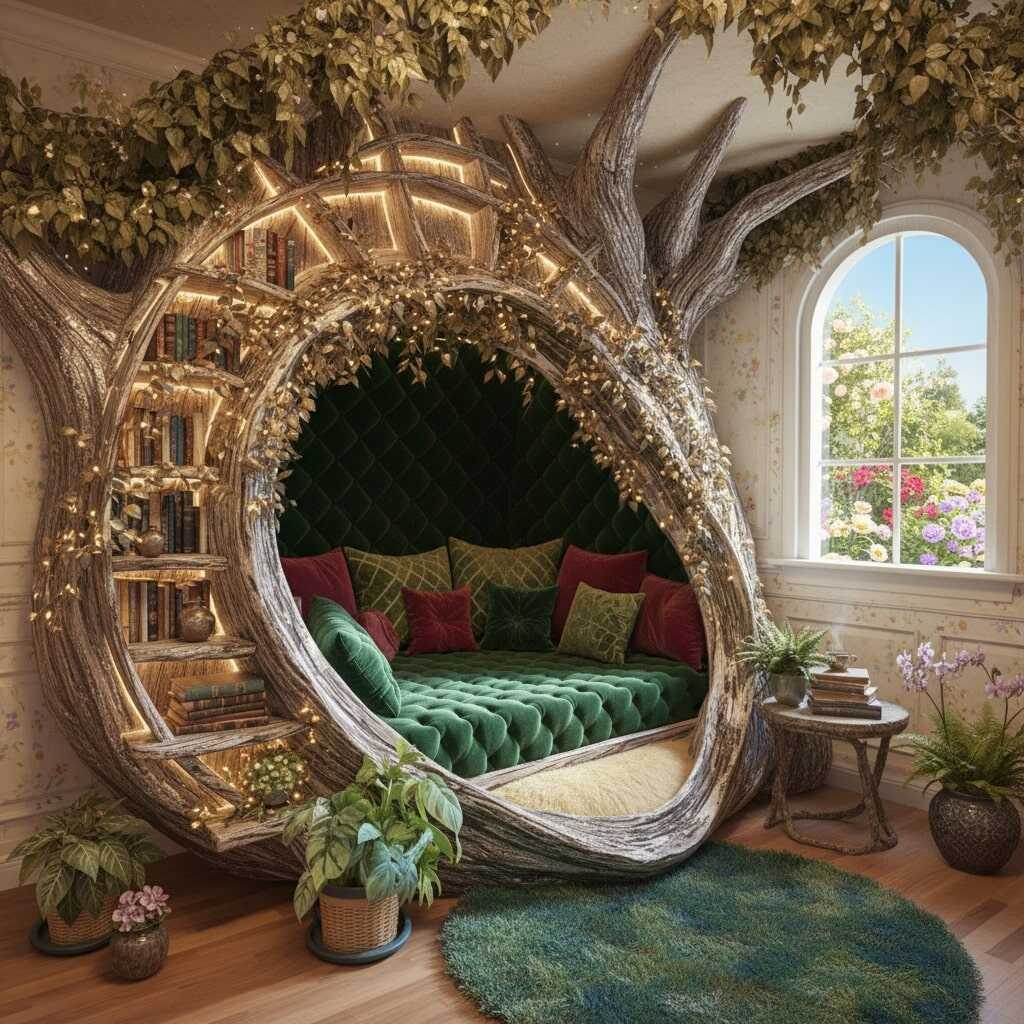
Scale and ergonomics
Design to human scale. A reading nook should allow comfortable sitting, easy reach to books and beverage spots, and safe routes for children. For children, seat heights of 10–16 inches work well; for adults, 16–18 inches is typical. Ensure there’s enough depth for a cushion and room to curl up (minimum 30–36 inches deep). If you plan a built-in bench, keep seat depth, back support, and legroom in mind.
Safety, durability, and maintenance
Safety is paramount—particularly for children’s spaces:
-
Avoid heavy hanging elements within reach unless securely anchored.
-
Choose non-toxic paints and finishes, flame-retardant fabrics when required, and rounded edges on woodwork.
-
Select materials that withstand rubs, spills, and the occasional energetic jump: washable cushion covers, wipeable wall surfaces, and stain-resistant rugs.
-
Make sure any climbing or ladder-like features are optional and meet safety standards.
Part III — Design Elements & Execution
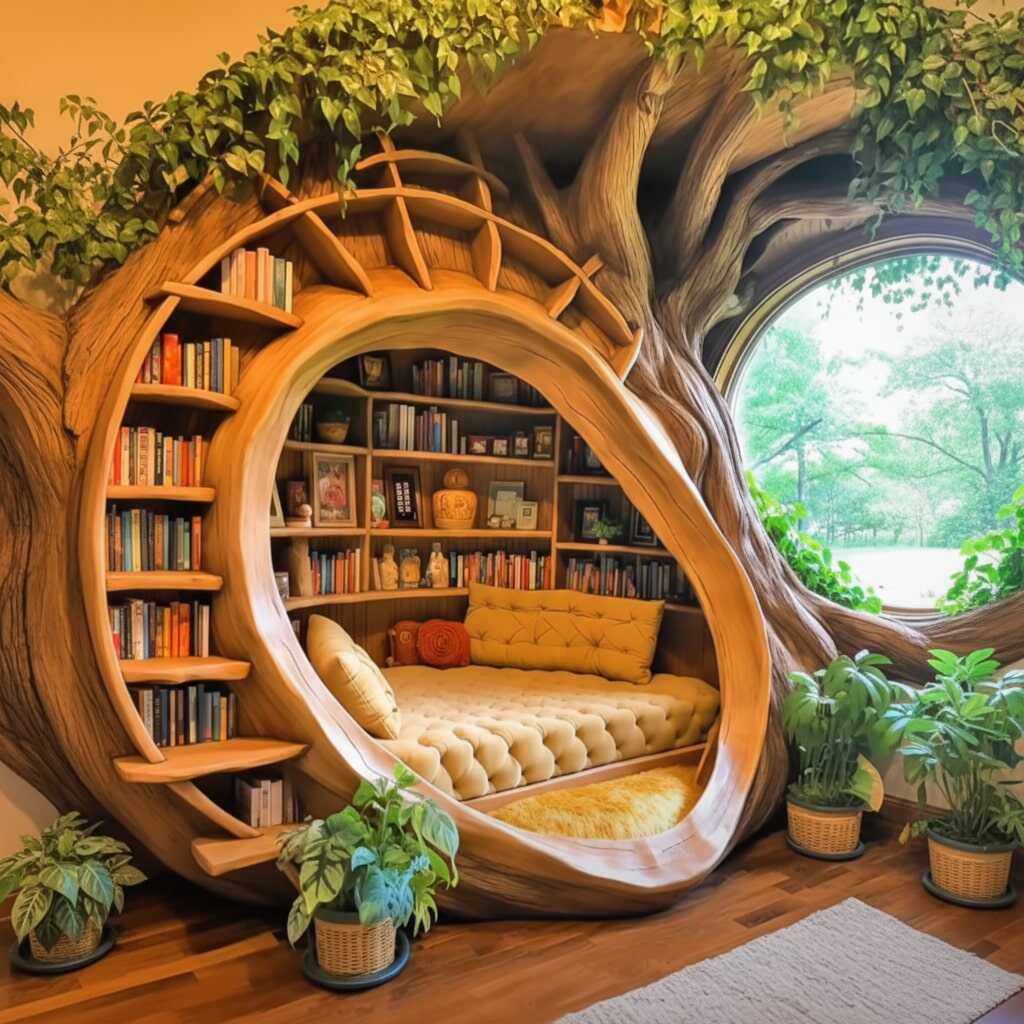
Creating the trunk and structure
You can suggest or fully construct a tree trunk—both approaches work beautifully.
Suggested trunk (implied):
-
Paint a trunk and branches directly on the wall using muted, natural tones. Add texture by layering paint with a sponge or rag to imitate bark.
-
Use wall decals or a mural for a quick, removable solution—great for rentals or kids who outgrow themes.
-
Build a partial canopy with lightweight fabric draped from a corner or a hoop anchored to the ceiling to create a leafy shelter.
Built trunk (architectural):
-
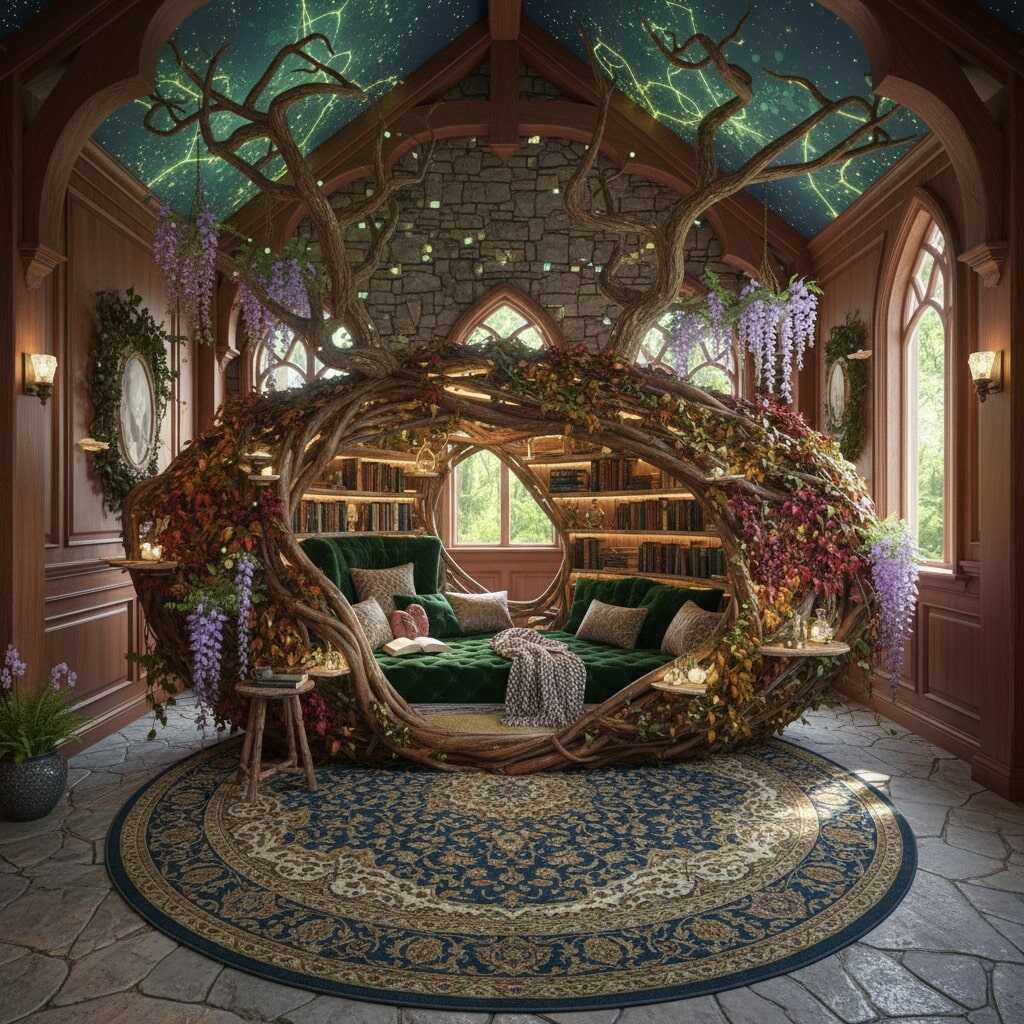
Construct a semicircular bench that mimics the curve of a tree base, or frame a small alcove with slim timber posts.
-
For a more dramatic approach, create a free-standing faux trunk with plywood or beadboard and carve or rout shallow grooves for bark texture. Finish with paint and sealant.
-
Integrate shelving into the trunk to hold books—shelves can form “rings” or niches within the trunk shape.
Canopy and overhead elements
A canopy turns a seat into a sanctuary.
-
Hang lightweight fabric, muslin, or macramé from the ceiling to mimic leaves—softly filtering overhead light.
-
Install a circular or oval canopy frame and attach fabric that cascades to floor level or tucks behind the seat.
-
For adult nooks, use a more subtle canopy: a narrow valance, woven shade, or layered blinds with botanical patterns.
If you prefer a rigid canopy, consider cut wooden leaves or laser-cut plywood panels suspended above the seating. Ensure any suspended elements are secure and not directly over where a child might climb.
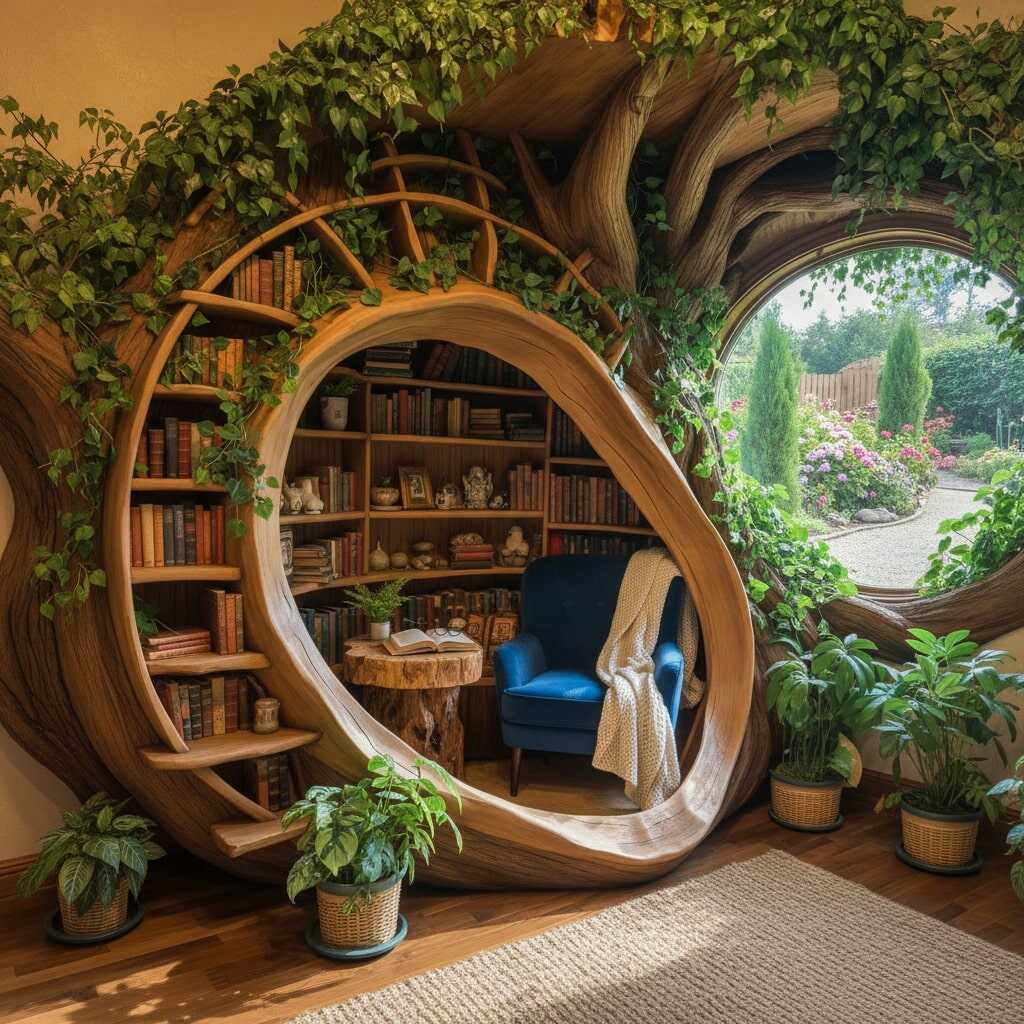
Color palette and textures
Aim for colors and textures that evoke bark, moss, and leaves without becoming literal or childish (unless that’s your goal).
-
Base tones: Soft browns, warm greys, and muted greens provide a calm foundation.
-
Accent colors: Gentle mustard, deep teal, or rust add warmth and depth—use them in cushions, throws, or accent pillows.
-
Textures: Use natural fibers—linen, cotton, wool, jute—for rugs and cushions. Faux fur or plush fabrics add coziness for kids. Consider a moss-textured wall panel or a tactile wood-grain wallpaper for authenticity.
Balance is key: keep the primary color scheme restful and use stronger colors sparingly to guide the eye and create focal points.
Seating options: choose comfort and adaptability
Comfortable seating is central to any reading nook. Mix options to suit different users:
-
Built-in bench with a thick cushion: Durable and tidy, with storage below.
-
Window seat: Perfect for quiet daylight reading; add a backrest of bolsters or pillows.
-
Oversized floor cushions / poufs: Great for children—easy to move, sit, and tumble.
-
Hammock chair or suspended swing: Adds whimsy; for adults choose sturdy materials and proper ceiling reinforcement.
-
Armchair or chaise lounge: Better for adult nooks where posture and back support matter.
Layer seating with cushions of varying sizes to create a nest-like effect. For mixed-age nooks, include both floor-level and elevated seating to accommodate different reading postures.
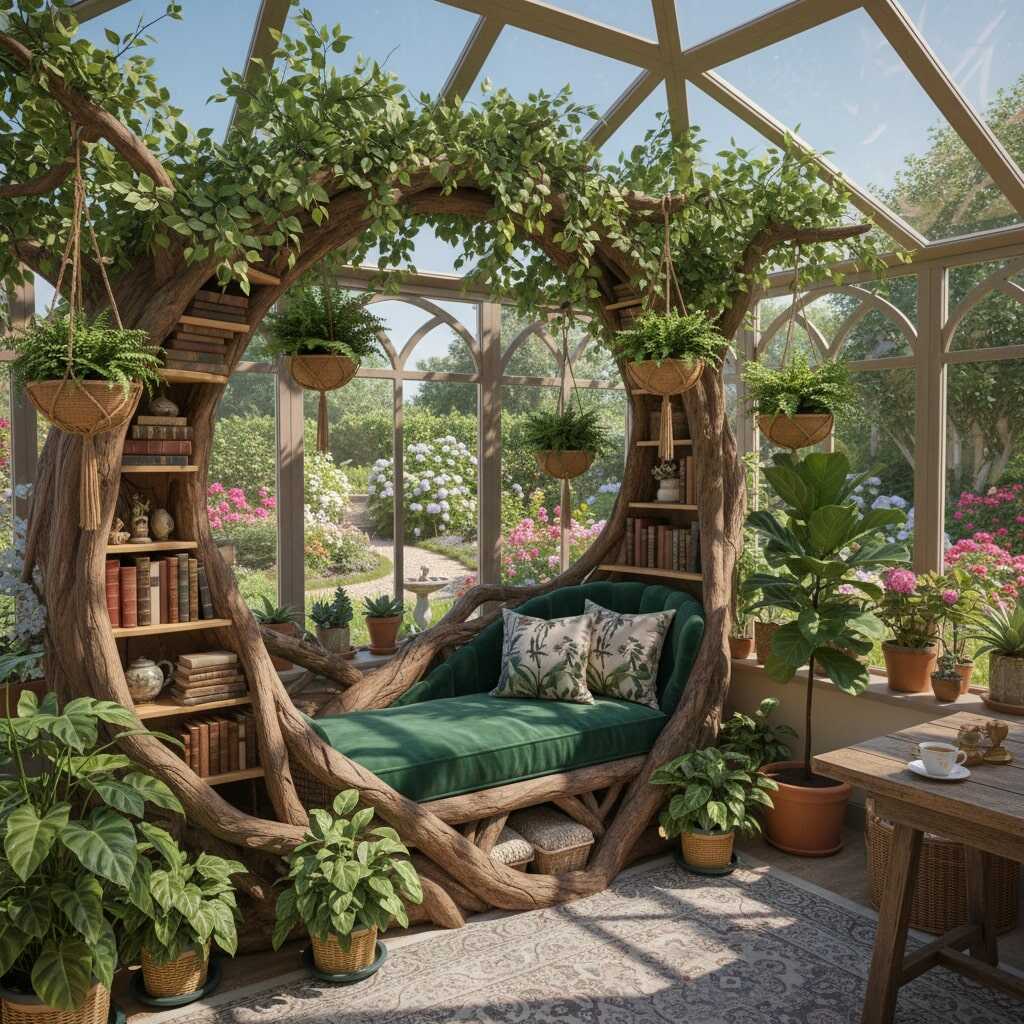
Lighting: functional and atmospheric
Lighting should support reading tasks and contribute to ambiance.
-
Ambient lighting: Soft, diffused overhead fixtures or concealed LED strips under the canopy create a warm wash.
-
Task lighting: Adjustable reading lamps—wall-mounted swing-arm lights or clip-on lamps—allow targeted illumination without glare.
-
Accent lighting: String lights woven through branches or a low-level floor lamp gives a magical, forest-like glow. For children, battery-operated lanterns or fairy lights are delightful (ensure they are rated and secured).
-
Natural light: Maximize window light but control glare with sheer curtains or adjustable blinds. Consider reading light direction to avoid shadows over pages.
Aim for layered lighting: combine ambient, task, and accent sources so the nook can shift from bright reading time to soft evening wind-down.
Storage for books and accessories
Books are the heart of a reading nook; store them accessibly and attractively.
-
Built-in shelves around the trunk or along the niche make books part of the tree architecture.
-
Low cubbies keep children’s books at little hands’ level.
-
Floating shelves arranged like branches can add visual whimsy.
-
Baskets and bins tuck away blankets, plush toys, or reading glasses while keeping the area tidy.
Labeling bins or color-coding shelves can help children learn organization while keeping the space functional.
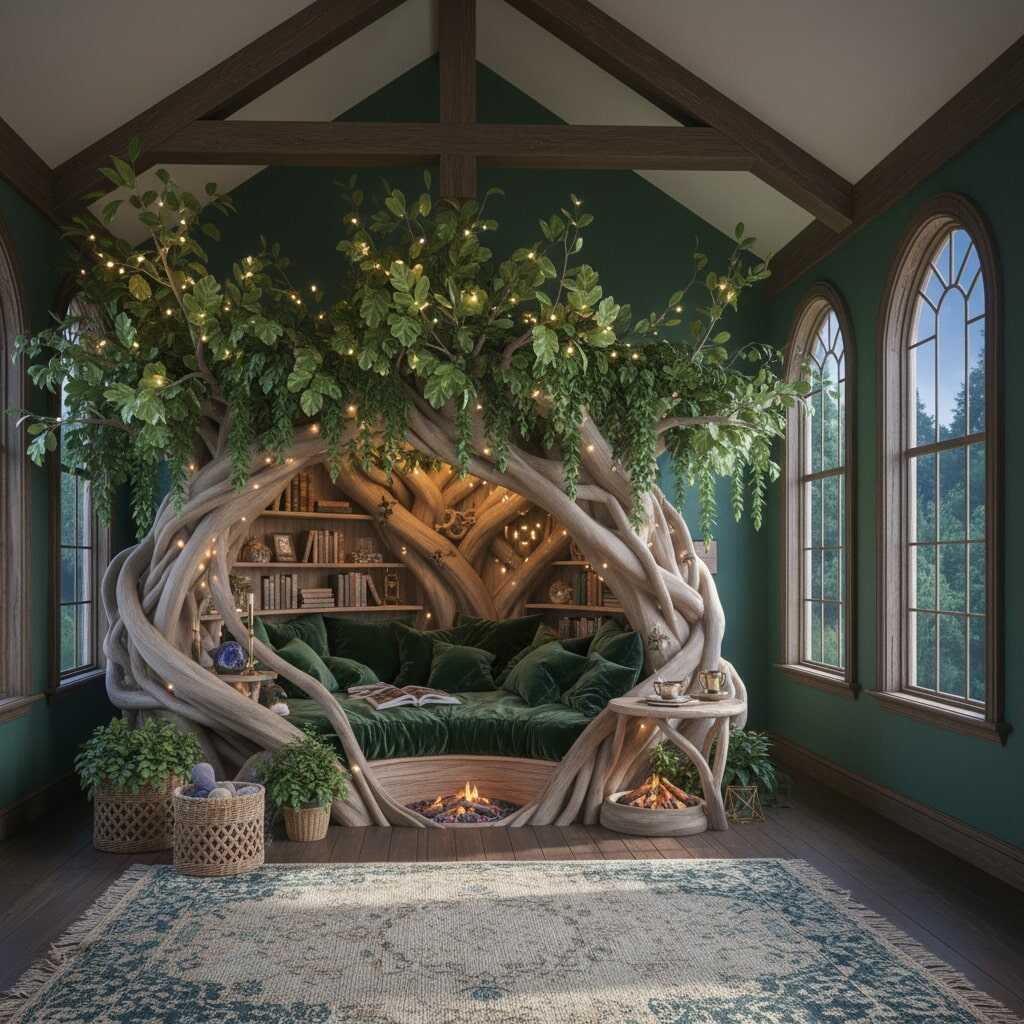
Sensory and decorative details
Small sensory touches reinforce the tree theme and deepen the experience.
-
Leafy motifs: Add embossed wallpaper, throw pillows printed with leaves, or hand-painted leaf stencils.
-
Natural elements: Smooth wooden bookends, a shallow tray with polished stones, or a small glass jar of pinecones (kept out of reach for small children) add textural interest.
-
Sound: A small white-noise machine or a Bluetooth speaker with nature sounds can enhance immersion—keep volumes low.
-
Smell: Use subtle, safe scents like cedar sachets or essential oil diffusers (used cautiously around children).
-
Interactive touches for kids: Hidden flaps in the trunk, peek-through “windows,” or a small mounted chalkboard for drawing can make the nook playful and engaging.
Artwork and storytelling prompts
Decor can double as storytelling inspiration.
-
Hang framed prints of forests, birds, or tree rings to encourage conversation.
-
Create a reading corner “map” highlighting favorite genres—fantasy in the canopy, poetry in the hollow.
-
Include a small display of rotating seasonal books to keep the nook feeling fresh.
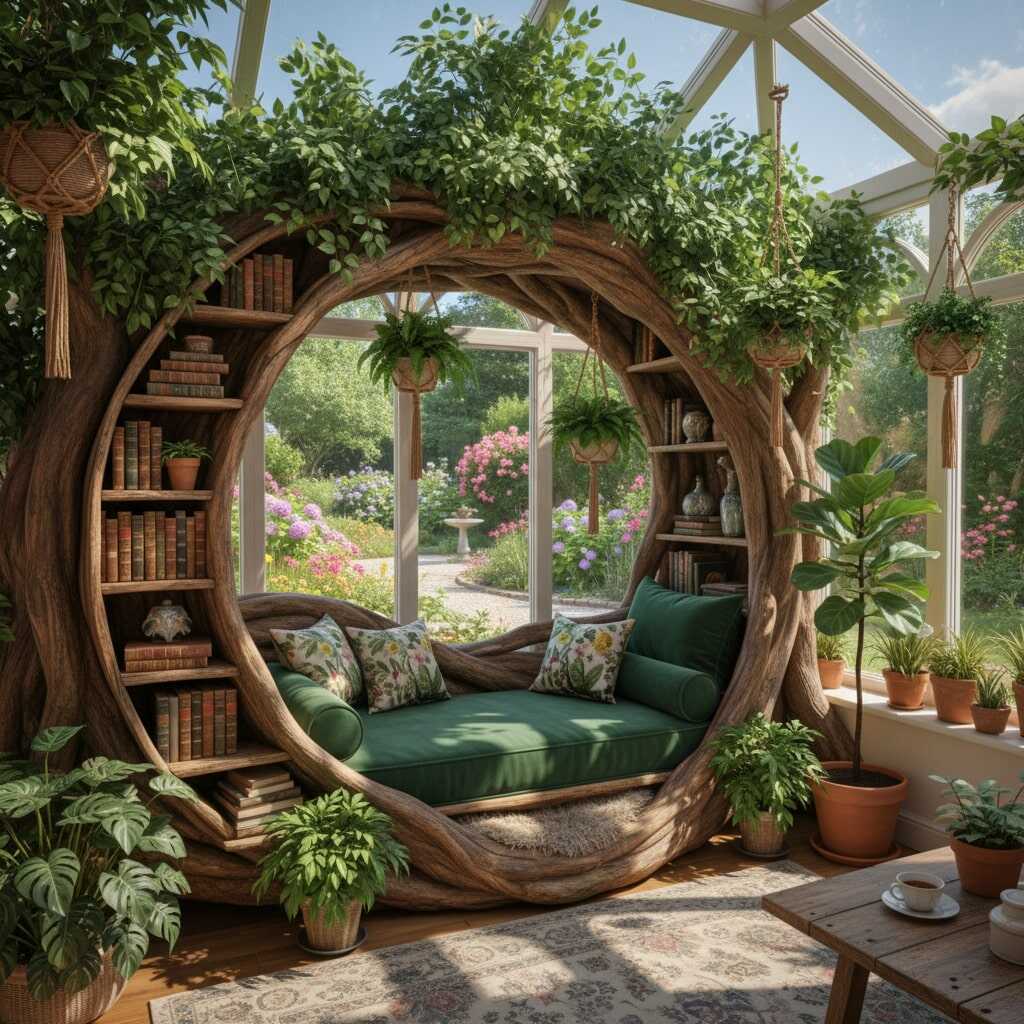
Weatherproofing and plant life
Indoor plants can reinforce the tree theme but choose carefully:
-
Select low-maintenance, non-toxic plants if children or pets will use the nook (e.g., spider plant, Boston fern—verify toxicity first).
-
Use planters with saucers to avoid spills. Consider faux plants in high-traffic areas if care is an issue.
-
Ensure good ventilation and avoid placing plants where they block pathways or create moisture problems.
Creating rituals and routines
A reading nook becomes beloved through routines:
-
Establish a “story time” ritual with a special blanket or lamp that turns on when it’s reading time.
-
Encourage all ages to curate their own mini-shelf of favorites.
-
For families, create a rotating schedule where each person chooses a night and a book to share.
Rituals transform the nook from a decorative idea into a living, practiced part of daily life.
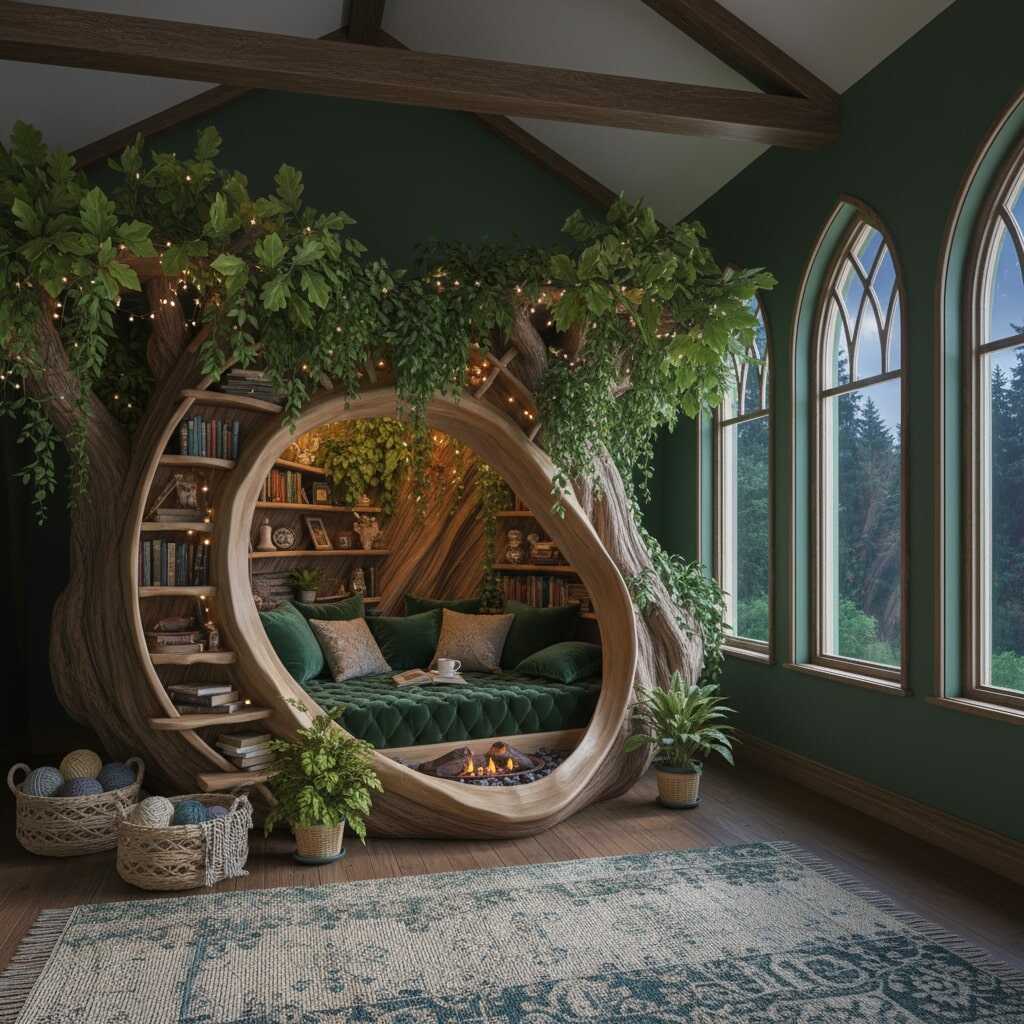
Part IV — Design Examples & Layout Ideas
Small space solution: corner alcove
-
Paint two walls with a soft trunk-and-branch mural.
-
Install a built-in bench with storage below and a thick foam cushion on top.
-
Add wall-mounted swing-arm reading lamps and a woven canopy overhead.
-
Use baskets for books and large floor cushions for extra seating.
Window-lined nook
-
Place a long cushion across the window bench; add bolsters for back support.
-
Mount narrow floating shelves along one side as “branch shelves” for books.
-
Use sheer curtains to control glare; add a pendant light for evenings.
Playful kids’ hideaway
-
Build a half-height trunk with cut-out portholes that double as cubby storage.
-
Add a removable canvas canopy and floor-level cushions.
-
Incorporate interactive elements: a chalkboard, pocketed fabric for small toys, and a string of safe fairy lights.
Minimal adult retreat
-
Create a simple, elegant canopy with woven shades and a deep lounge chair or chaise.
-
Keep palette neutral—soft greens and greys—with a single accent color.
-
Add a slim bookshelf, an adjustable reading light, and a small side table for tea.
These examples can be mixed and adapted—key is to retain a clear identity and balance between form and function.
Part V — Maintenance, Longevity & Adaptability
Easy maintenance strategies
-
Use removable cushion covers and washable fabrics for child-focused nooks.
-
Choose finishes that hide fingerprints (eggshell or satin for walls) and sealed wood for easy wiping.
-
Keep a small tray or washable mat for snack time to reduce accidental damage.
Design for growth
A child’s tastes change quickly—design with adaptability:
-
Use interchangeable decals or peel-and-stick murals that are easy to update.
-
Make storage multipurpose so it works beyond the theme.
-
Choose neutral bones (bench, shelves) and swap soft furnishings (pillows, throws) for seasonal or age-appropriate updates.
Seasonal refreshes
Rotate decor to keep the nook engaging:
-
Spring: lighter textiles, floral accents.
-
Autumn: warm throws, book displays of seasonal reads.
-
Winter: plush cushions and soft lighting for cozy evenings.
-
Summer: lighten the palette and add a small fan or fresh plants.
Part VI — Conclusion: A Living, Growing Space
Designing a tree themed reading nook is about creating shelter for the imagination. It’s where quiet habits take root and curiosity blooms—whether for a child discovering picture books for the first time or an adult reclaiming thirty minutes of slow reading. By carefully planning location, scale, safety, materials, lighting, and storage—and by layering sensory details and rituals—you can create a nook that feels part shelter, part stage, and wholly inviting.
Remember: the best tree themed reading nooks are flexible. They evolve from child to teen to adult, from quick morning coffee reads to long evening novels. Start with a clear purpose, respect human scale and safety, and let natural textures and layered lighting do the heavy lifting of atmosphere. With thoughtful choices, your tree themed reading nook will be a small sanctuary—a place where stories grow, quietly, day by day.